What Do Bed Bug Bites Look Like? A Careful Guide
If you are asking what do bed bug bites look like, the most useful first answer is that appearance alone cannot reliably identify the cause. Skin marks vary, and other causes can look similar. Treat a mark as a reason to observe and gather context, not as proof of bed bugs.
Can you identify bed bugs from a bite alone?
No. There is no single look that confirms a bed bug bite for everyone. A skin reaction is the body's response, not a direct view of the insect that may or may not have caused it. People can react differently, and a suspicious mark can have another explanation. Looking at a photo or comparing marks with an online description cannot settle the question by itself.
This distinction matters because it is easy to turn uncertainty into a diagnosis. A cluster of marks, an itchy area, or a new spot may feel like strong evidence when you are worried, but none alone establishes that bed bugs are present. Conversely, not noticing a particular skin reaction does not tell you whether an inspection would find activity. Skin responses are not a dependable substitute for checking the setting.
A more careful question is: what else can be observed, and is there independent evidence in the room that supports the concern? Keep skin observations and room observations separate. Note what you see without assigning a cause, then record any relevant physical evidence or changes in the areas you are checking. The aim is not to diagnose yourself; it is to give an inspection a clearer starting point.
Why do possible bites look different from one person to another?
People do not all respond to the same exposure in the same way. A mark's visibility, discomfort, and duration can differ. One person's skin may show an obvious response while another person's skin shows little or nothing noticeable. This variation makes it risky to use one person's experience as a template for everyone in a home.
There is also a timing problem: noticing a mark does not necessarily reveal when or why it appeared. The moment you first see it is not proof of when the cause occurred. If several household members compare observations, note when each person noticed a change, but remember that this cannot identify an insect on its own.
Descriptions such as “red,” “itchy,” or “in a line” are not a reliable test. They can be useful notes about what you observed, but they do not make a diagnosis. Avoid treating an internet image as a match test. Use any visual comparison as a prompt to check for better evidence, not as a final answer.
If a skin concern is painful, worsening, or worrying to you, ask a qualified healthcare professional for advice. A pest inspection and a medical assessment answer different questions: an inspector evaluates pest activity and conditions in the property, while a healthcare professional can assess skin symptoms. Do not rely on a pest-control article to diagnose or treat a health concern.
What should you write down before deciding what the marks mean?
Simple, neutral notes can help you see whether there is a pattern without deciding too early what caused it. Record the date you noticed a mark, where you noticed it on your body, and whether it has changed. If you take a photo for your own reference, note when it was taken and keep it private. A picture may help you compare observations over time, but it cannot identify the cause.
- Record observations, not conclusions.
Write “noticed a new mark” rather than “bed bug bite” unless the cause has been confirmed.
- Keep the location specific.
Note which room or sleeping area was in use, and whether more than one person noticed a change.
- Track changes over time.
Add the date of a new observation instead of relying on memory to reconstruct a sequence later.
- Separate skin notes from property notes.
Record physical evidence you actually observe without assuming what it is.
- Save useful context.
Note recent changes in where people have slept or where belongings have been, if relevant.
These notes are not a checklist that proves or rules out bed bugs. They help you describe what you noticed and avoid blending several uncertain details into one confident story. Do not spend hours repeatedly checking your skin or searching every item if doing so is increasing your worry. A measured record and a targeted inspection are more useful than trying to force an answer from a mark.
How can you keep your notes useful?
Use plain descriptions and separate what you saw from what you think it might mean. For example, note the date and room where a concern came up, then put any interpretation in a separate line marked as a question. If another household member reports a concern, record that observation separately rather than assuming it has the same cause or timeline as yours.
Keep only information that helps explain the situation. You do not need to create a detailed daily log if nothing changes or photograph every mark. A concise record of when you noticed something, where it occurred, and whether there is related property evidence is easier to share than a large collection of unlabelled pictures. If arranging an inspection, have your notes available so you can answer basic questions.
Be mindful of privacy when saving or sharing images. Skin photos can be personal, and a picture of a mark is not a diagnostic test. Share them only with a healthcare professional if seeking advice about symptoms. For pest questions, focus on the property, the location of any object you want identified, and the history of the concern.
If you want a broader overview, read bed bug treatment guidance. That guide covers the pest topic more broadly; this article focuses on the limits of identifying a cause from skin marks.
What can the surrounding evidence tell you?
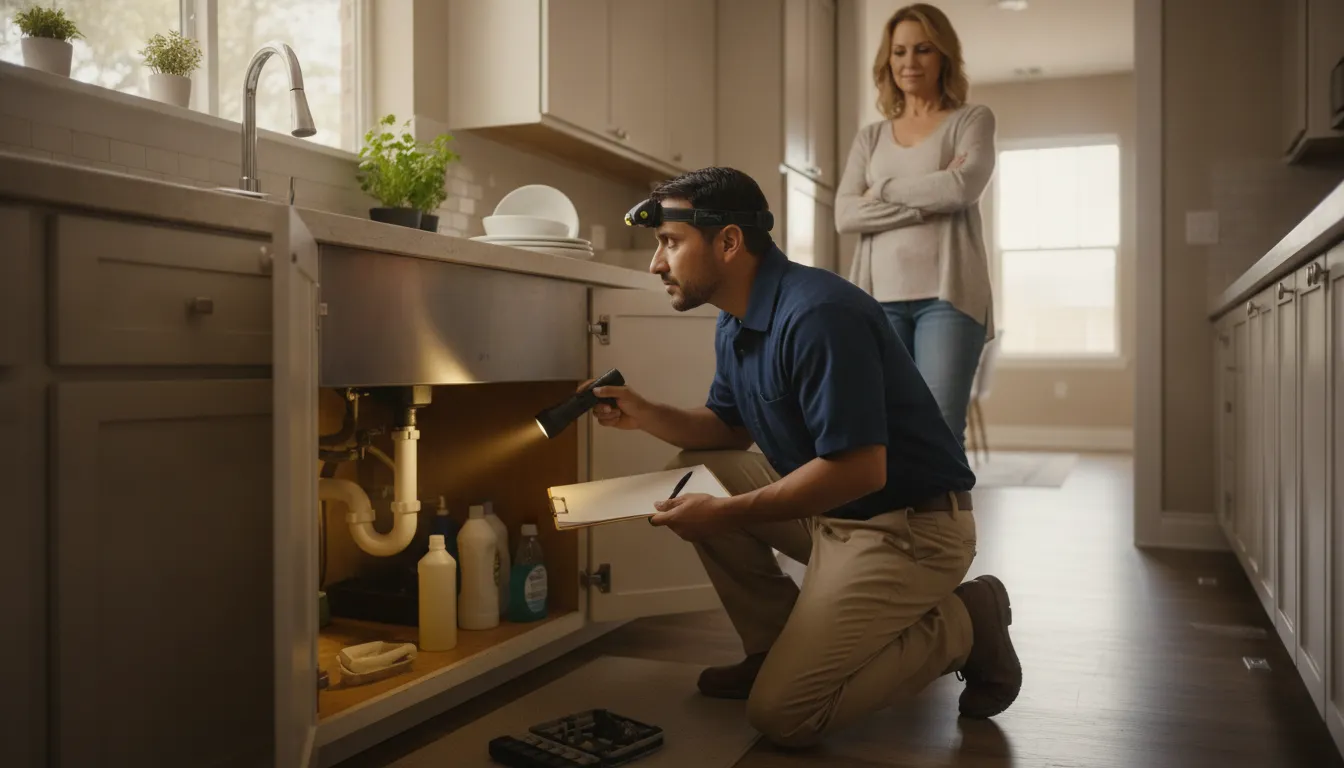
Skin marks are one kind of observation. Physical evidence in the property is separate. A professional inspection can look at the property for pest activity, damage, entry points, and conditions that may help explain what is happening. That context is more useful than treating a skin description as a stand-alone identification.
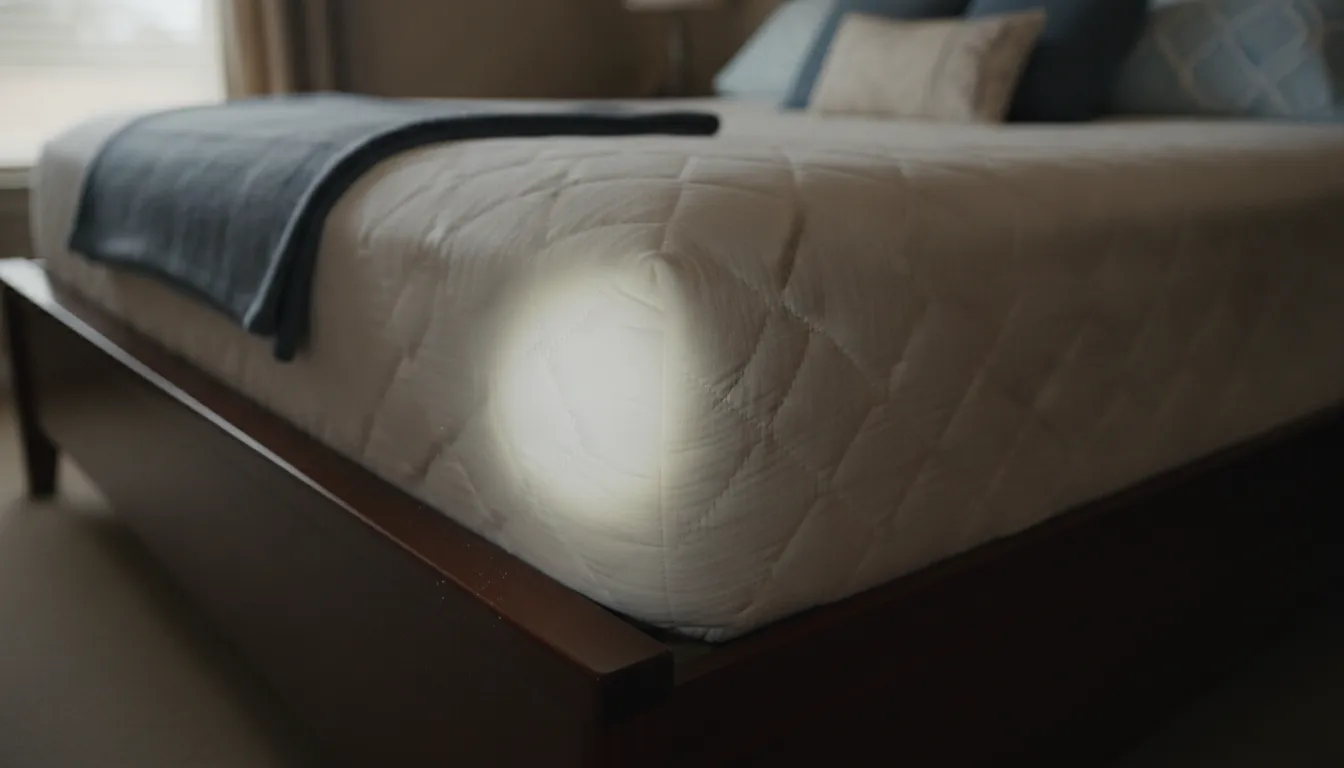
When you inspect your own space, keep the process limited and careful. Focus on the area that prompted the concern and note what you can plainly observe. Do not label an unfamiliar speck, mark, or object as a bed bug sign just because you are searching for one. If unsure what an object is, leave it undisturbed if practical and ask an inspector to assess it. A clear photo and its location can be useful context, but a photo alone may not establish identification.
Try not to let a single clue carry more weight than it deserves. A skin mark without physical evidence remains uncertain. An unfamiliar object without confirmation is also uncertain. Multiple observations may help an inspection focus on the right place, but they should be evaluated together rather than turned into a do-it-yourself diagnosis.
Think in terms of evidence quality. A remembered impression is useful background but may be imprecise. A dated note about a particular room is more specific. A physical object an inspector can examine provides a different kind of information. None should be overstated before assessment, but clear details make follow-up questions easier to answer.
Keep a home check practical. Look only where you can do so without damaging furniture or putting yourself at risk, and stop if unsure how to handle an item. You are not expected to conduct a complete inspection yourself. Do not assume a room is clear because a brief look revealed nothing, or affected because you found something you cannot identify.
These limits matter when several clues appear at once. A mark on a person, an unfamiliar object in a room, and a recent change in routine may all be worth mentioning, but the combination still needs interpretation. Share the facts as you know them and let an inspection assess whether they relate to pest activity.
For a structured look at the process, see Pro Pest's guide to a pest control inspection. For a room-check overview, read what bed bugs look like and key signs. The purpose of checking is to gather context, not confirm a diagnosis from appearance alone.
What should you avoid doing while you are unsure?
When an explanation is uncertain, a rushed response can make it harder to understand what is happening. Avoid applying an unverified treatment to your skin or household items based on a guess. Do not use a product in a way its label does not allow, and do not assume a product marketed for one pest or location is appropriate for another. Follow the product label and consult a qualified professional if you have questions.
Avoid moving belongings from a suspected area throughout the home just to investigate. Unplanned handling can spread confusion about where something came from and may complicate a later inspection. If you need to move an item for ordinary use, handle it thoughtfully and keep track of where it was. You do not need to dismantle furniture or take extreme steps based on skin marks alone.
Do not discard a mattress or other belongings solely because you noticed marks. That decision may be costly and may not address the cause. First establish what evidence exists and what an inspection finds. Likewise, avoid relying on a home remedy or a single cleaning step as proof that an infestation has been resolved. A practical response starts with a better understanding of the situation.
If you have already tried a response, note what you did and when. This is useful context for a professional assessment. Describe the exact action rather than saying only that you “treated the room,” since that phrase can mean many things. If concerned about exposure to any product, contact an appropriate healthcare or product-safety professional rather than guessing at risk.
How do the common clues compare?
The table separates what an observation may contribute from what it cannot establish by itself. It is not a diagnostic checklist. Use it to distinguish a concern, a documented observation, and a confirmed finding.
Observation | What it may help you do | What it cannot confirm alone |
A skin mark you noticed | Record when and where you noticed a change, and whether it changes. | That bed bugs caused it or when the cause occurred. |
Similar concerns from more than one person | Note who noticed a change and when, without combining observations. | A shared pest source or a specific insect. |
An unfamiliar object or mark in a room | Record its location and, if useful, take a clear reference photo. | That the object is a bed bug or evidence of an infestation. |
A recurring concern in a particular sleeping area | Tell an inspector where and when the concern keeps arising. | That the room is infested based on location alone. |
A professional inspection finding | Provide an assessment of observed activity and relevant property conditions. | A medical diagnosis of a skin reaction. |
The most useful next step depends on what you actually know. If all you have is a mark, keep the conclusion open. If you have a possible property clue, document where it was seen and ask for help identifying it. If the concern persists or you find evidence you cannot identify, an inspection can help determine whether pest activity is present and what action, if any, makes sense.
When is it sensible to request an inspection?
Consider requesting an inspection when your concern continues, when you have observed something in the property that you cannot identify, or when you would rather have a professional assess the conditions than keep guessing. You do not need to prove bed bugs are present before asking. The inspection evaluates the property, not a conclusion made from a skin mark.
Pro Pest's residential process begins by inspecting for pest activity, damage, entry points, and conducive conditions before selecting treatment. The documented bed bug service uses whole-house liquid treatment targeting cracks and crevices, furniture, and furniture frames; an organic option is advertised specifically for this service. Do not assume a particular product, preparation procedure, treatment count, spacing, price, or result. Those details should be discussed based on the inspection and service information.
An inspection is different from a quick glance at one skin mark or one part of a room. Be ready to point out the area that prompted your request, share when you first noticed the concern, and explain any steps already taken. If you have a photo or written note about an unfamiliar observation, describe when and where it was made. Be clear about what you know and what remains uncertain.
It is reasonable to ask what an inspector observed and how that informs the recommendation. If treatment is proposed, ask for service details that matter to your household, including preparation instructions and follow-up expectations. Do not presume a set number or spacing of visits: Pro Pest does not publish a standard treatment count or schedule for this service in the information available here.
The practical goal is to know whether activity is present and what next step is appropriate, rather than to secure a diagnosis from a bite description. Asking questions helps you understand the difference between an observation, a recommendation, and a promised outcome. A pest inspection cannot replace healthcare advice about skin symptoms.
For what to do if you find bed bugs, the first-response guide offers measured next steps. You can also review the Pro Pest services overview for general service context.
Pro Pest is based in Sealy and describes service in Sealy and surrounding areas. Exact ZIP-code eligibility is not established for every address. When you submit an inspection request, include your property type, pest concern, ZIP code, and whether you are considering a one-time or ongoing service. A request is not a confirmed appointment or a fixed-price treatment quote.
For background on bed bugs and bites, the U.S. Environmental Protection Agency advises readers to learn about bed bugs, their identification, and control options; see the agency's bed bug resource page. The central point remains that a skin reaction alone does not establish the pest or cause.
Frequently asked questions
Can bed bug bites look different on different people?
Yes. People can have different skin responses, and some may notice little or no visible response. That variation is one reason a skin mark cannot confirm the cause. Consider property evidence separately and seek an inspection if concern persists.
Does a line or cluster of marks prove bed bugs?
No. A pattern may be worth noting, but it is not proof by itself. Other causes can produce similar-looking marks, and appearance does not identify an insect. Record what you observe without treating a pattern as a diagnosis.
Can a photo tell me whether a mark is a bed bug bite?
A photo can preserve how a mark looked at a particular time, but it cannot reliably establish what caused it. If you take one, keep the date with your notes and avoid using visual comparison as a substitute for medical assessment or property inspection.
What information should I share when I ask for an inspection?
Describe the property type, ZIP code, what you noticed, where you noticed it, and when the concern began. Mention property evidence you can describe without assuming what it is, plus steps already taken. This gives the request useful context without presenting an unconfirmed diagnosis.
Does requesting an inspection mean treatment is required?
No. An inspection request allows the property and concern to be reviewed. Any recommendation should depend on what is found. A free, no-obligation inspection request is not a confirmed appointment or a promise that treatment will be recommended.
Choose a careful next step
When you wonder what do bed bug bites look like, remember that a skin mark alone cannot answer the question. Note what you observe, keep property evidence distinct from interpretation, and ask a healthcare professional about skin concerns or a pest professional about suspected activity in the home. A measured inspection can replace guesswork with a clearer assessment of the property.
Comments