Bed Bugs: How to Spot, Prevent, and Treat Them
Bed bugs don’t need a dirty home to move in. They can hitch a ride on a suitcase, a jacket, or second-hand furniture, then settle into small spaces close to where people sleep. Because they’re good at hiding, it’s easy to miss early signs or mistake another insect for a bed bug. Knowing what to look for can help you respond with care instead of relying on guesses or harsh, unverified treatments. This guide covers common bed bug signs, their hiding places, how bites may affect your health, and practical steps homeowners can take to address a suspected infestation.
Key Takeaways
- Look for more than bites
: Check mattress seams, bed frames, and nearby furniture for insects, eggs, shed skins, or dark spots.
- Keep suspected items contained
: Seal belongings before moving them, and avoid shifting furniture or bedding to other rooms.
- Get expert guidance
: Contact a pest control professional to confirm bed bugs, plan safe treatment, and arrange follow-up checks.
What Are Bed Bugs?
Bed bugs are small, flat insects that feed on blood, usually at night. The two species most often associated with bites on people are the common bed bug (Cimex lectularius) and the tropical bed bug (Cimex hemipterus). They don’t fly or jump, but they can crawl into luggage, clothing, and furniture, then travel with those items to a new location. That’s why an infestation can happen in a clean home, even when you take care of your belongings.
Bed bugs can be difficult to spot because they hide in narrow spaces and look different as they grow. Adults are reddish-brown, while young bugs and eggs can be pale and easy to miss. Bites alone don’t confirm that bed bugs are present. Look for the insects themselves, eggs, shed skins, or other signs near beds and furniture. If you find a bug you can’t identify, take a clear photo or place it in a sealed container for a pest control professional to inspect. Learn more about bed bug appearance and life stages before checking your home.
Identify Adults, Nymphs, and Eggs
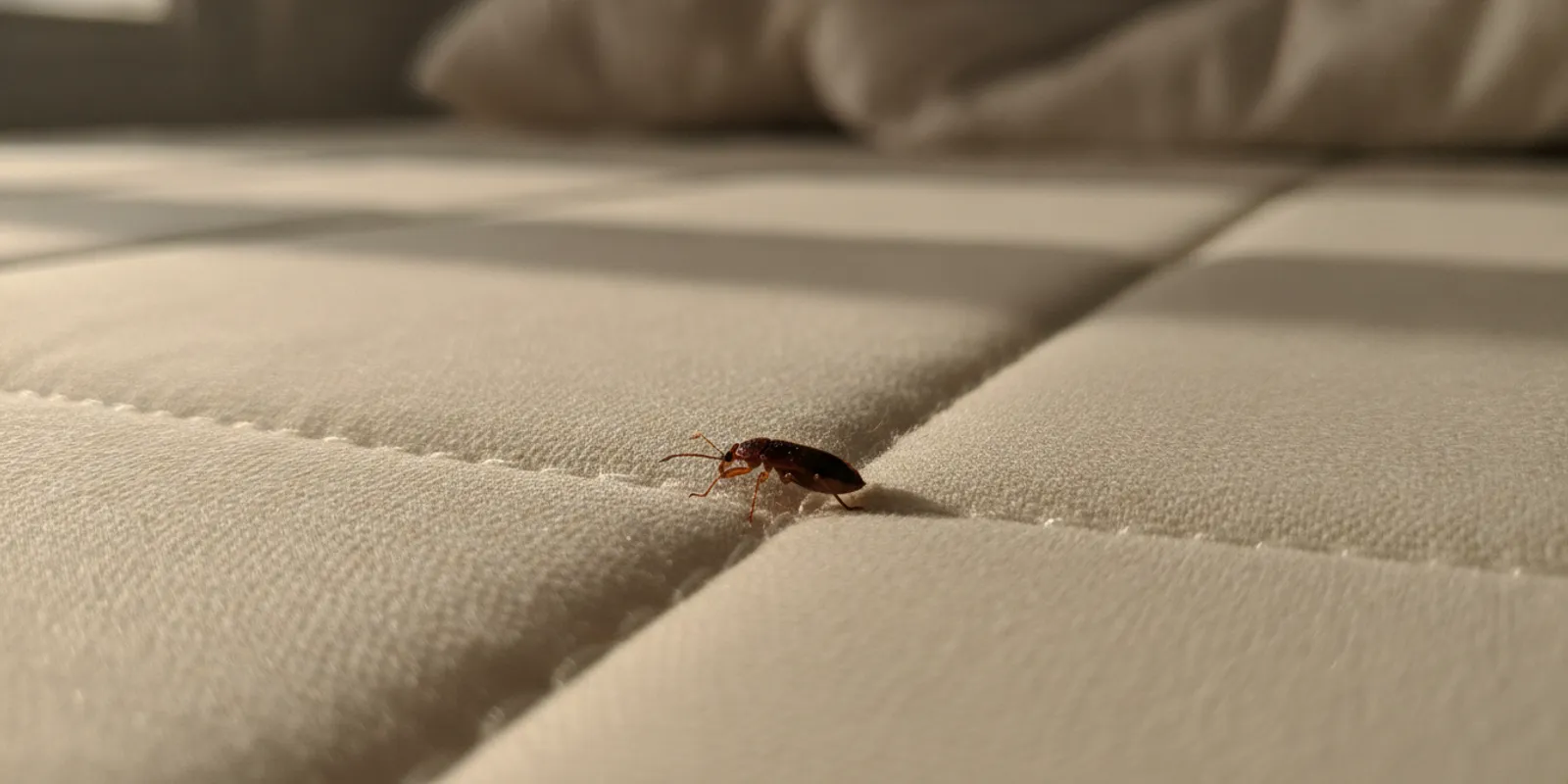
Adult bed bugs are usually about 4 to 5 millimeters long, close to the size of an apple seed. They have flat, oval bodies and are reddish-brown. After feeding, they may look darker and more swollen. Young bed bugs, called nymphs, are smaller and lighter in color, sometimes appearing almost translucent against a pale mattress or sheet.
Nymphs shed their outer skins as they grow through five stages before becoming adults. These pale, papery skins may collect near places where bed bugs hide. Their eggs are tiny, white, and often attached to surfaces, which can make them hard to see without close inspection. Check mattress seams, bed frames, and nearby furniture for bugs at different stages, eggs, or shed skins. Finding several signs together can help distinguish a possible infestation from a stray insect.
Tell Bed Bugs from Lookalikes
Bed bugs are sometimes mistaken for fleas, cockroach nymphs, and other small insects. Fleas are narrow and jump, while bed bugs have broader, oval bodies and crawl. Young cockroaches can also be small, but they usually have longer antennae and a different body shape. Since color and size can vary, particularly in young insects, appearance alone may not be enough to make a confident identification.
Confusion is common: PestWorld reports that fleas are a frequent source of mistaken bed bug calls. If you find an unfamiliar insect, take a clear photo beside a familiar object for scale, or save the insect in a sealed container. Avoid treating the room based on a guess. Correct identification helps you choose an appropriate response and avoid using products that won’t address the pest you actually have.
Clear Up Bed Bug Myths
Bed bugs are not a sign that a home is dirty. They can enter clean homes in luggage, clothing, and second-hand furniture, then hide in small spaces near where people sleep. Clutter can give them more places to hide and make inspection and treatment more difficult, but cleaning alone won’t prevent or eliminate an infestation. WebMD explains that bed bugs can affect homes regardless of cleanliness.
Another common worry is whether bed bugs spread disease. Research to date has not shown that they transmit disease to people, according to PestWorld’s bed bug facts. Their bites can still cause itching, and scratching may irritate the skin. If you spot signs of bed bugs, focus on confirming the identification and addressing the issue. There’s no need to blame yourself or assume that housekeeping habits caused it.
What Are the Signs of Bed Bugs?
Bed bugs are small and skilled at hiding, so you may spot clues before you see a live bug. Inspect the mattress and nearby furniture, paying close attention to seams, folds, cracks, and other tight spaces. Look for several signs together, since one stain or skin reaction may have another cause.
Spot Live Bugs, Eggs, and Shed Skins
Adult bed bugs are flat, oval, and about the size of an apple seed. They’re usually reddish brown, though they may look darker after feeding. Young bed bugs, called nymphs, are smaller and paler. Their eggs are tiny, white, and oval, so they can be hard to see without good lighting.
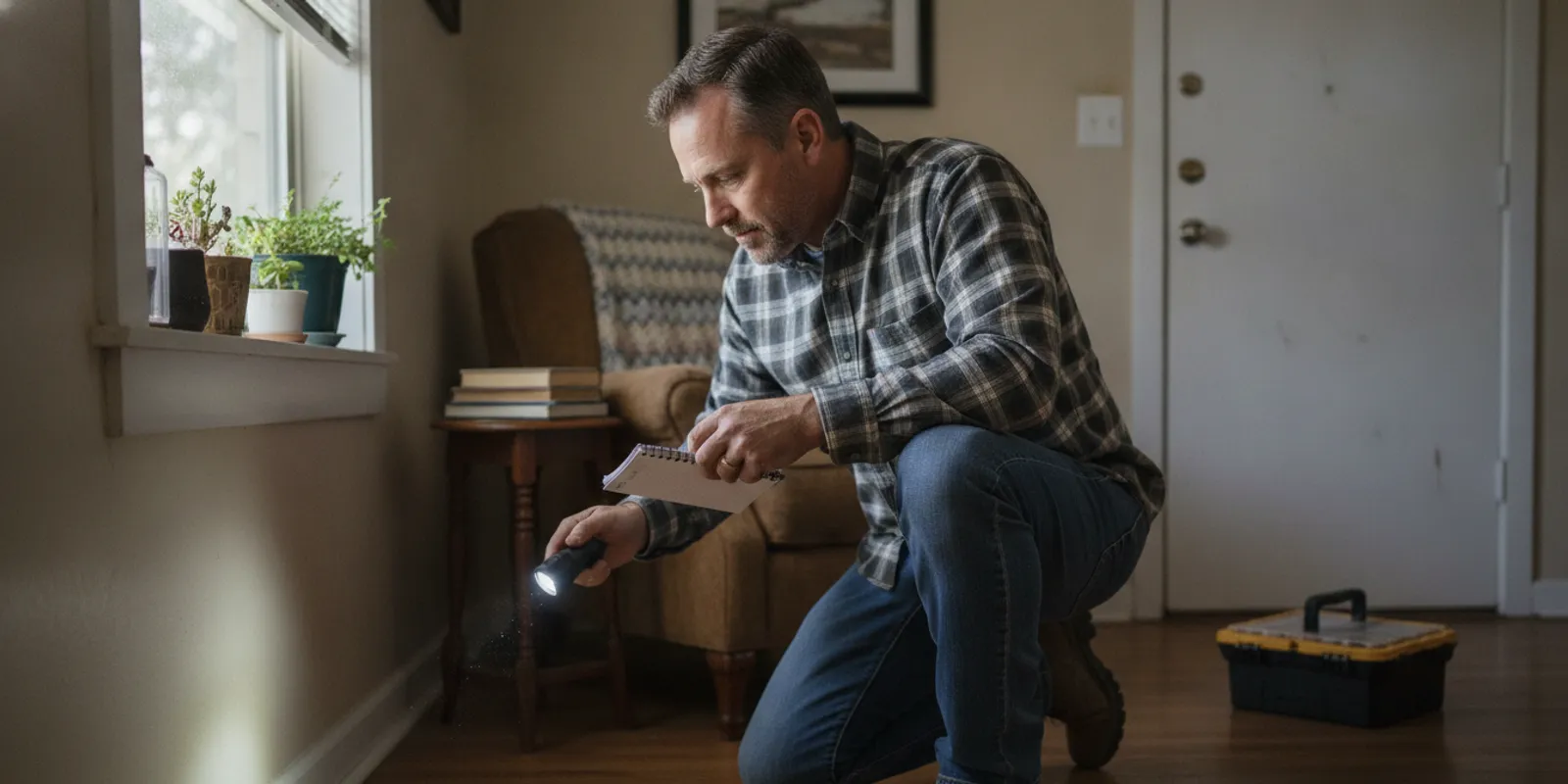
Use a flashlight to check mattress seams, bed-frame joints, headboards, and upholstered furniture. Look for live bugs, eggs, and pale, papery skins that bed bugs shed as they grow. The American Academy of Dermatology’s bed bug guide recommends checking beds, bedding, couches, and nearby crevices. A magnifying glass or phone camera can help you examine small signs without disturbing them.
Find Blood Spots and Dark Fecal Stains
Small reddish or rusty spots on sheets may appear if a bed bug is crushed after feeding. Tiny dark spots on mattress seams, bed frames, or nearby furniture may be bed bug droppings. They can look like ink marks, so check carefully before assuming a stain has a particular cause.
Inspect both sides of the mattress, especially its seams, tags, and corners. Check the headboard and bed frame, too. A few marks alone don’t confirm bed bugs. Look for other evidence in the same area, such as shed skins, eggs, or live insects. WebMD’s bed bug identification advice lists small blood stains and dark droppings among the signs to watch for.
Notice Musty Odors in Heavily Infested Areas
A sweet, musty smell may be present in an area with a heavy bed bug infestation. Odor alone isn’t enough to identify bed bugs, and other household problems can create unusual smells. Pay attention if a persistent odor comes from a bed or upholstered furniture, particularly when you also find stains, eggs, shed skins, or live insects.
Use a flashlight to inspect mattress seams, bed-frame joints, headboards, and nearby furniture. Avoid moving items into other rooms while you check for signs. The American Academy of Dermatology describes a musty smell as a possible sign of a heavy infestation. If you find other evidence, take photos and contact a pest control professional to help confirm what you’re seeing.
Don’t Rely on Bites Alone
Itchy red marks can raise concern, but bites alone don’t confirm bed bugs. People react differently: some develop itchy bumps, while others have little or no visible reaction. Bed bug bites can also resemble bites from other insects, rashes, hives, or chickenpox.
If you notice skin irritation, inspect the bed and nearby furniture for physical evidence rather than trying to identify the cause from the marks. Take photos of any suspicious insects, stains, eggs, or shed skins. The American Academy of Dermatology explains why bites aren’t enough to identify bed bugs. Contact a healthcare professional if a skin reaction is severe, painful, or appears infected.
Where Do Bed Bugs Hide, and How Do They Spread?
Bed bugs often hide near places where people sleep or rest, then come out to feed. They can also travel to new rooms or homes by hitching a ride on personal belongings. A careful check of beds, nearby furniture, and items brought into the home can help you spot signs early.
Check Mattresses, Bed Frames, Headboards, and Furniture
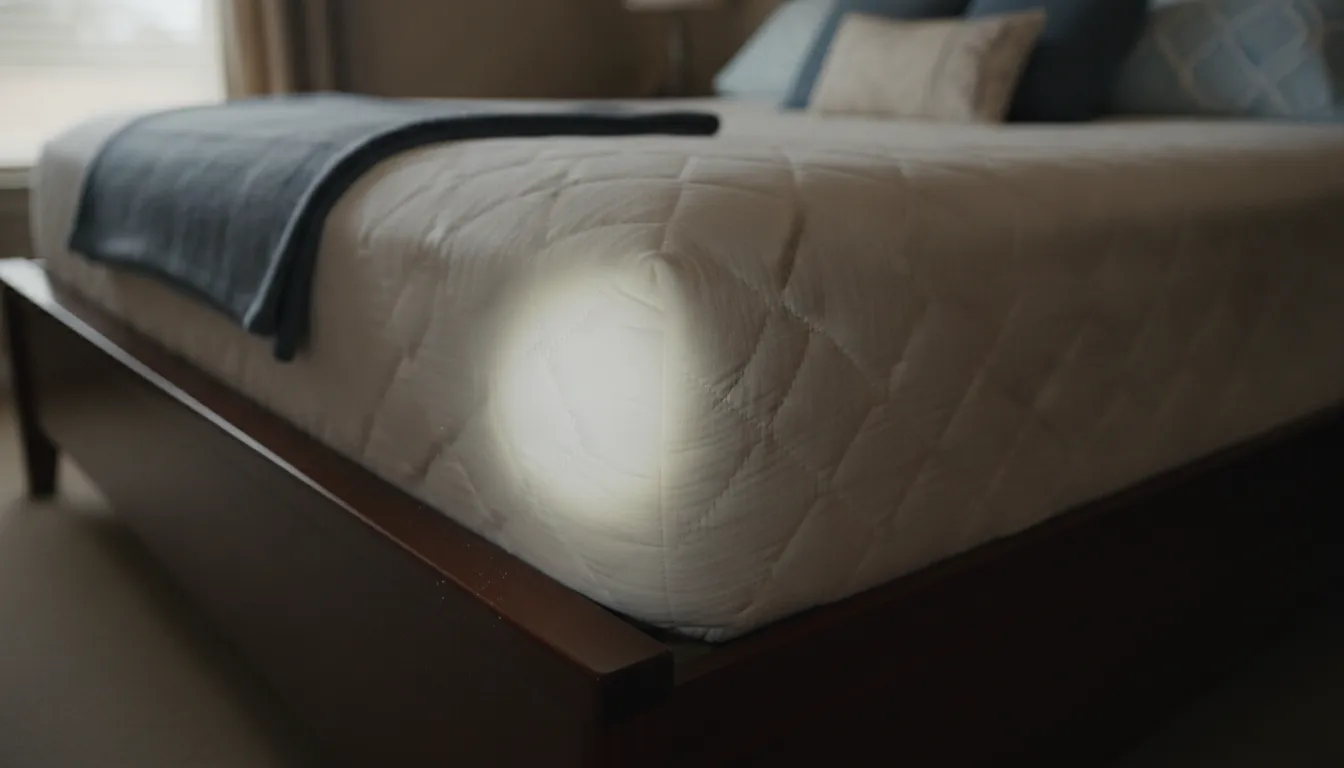
Start with the mattress. Check its seams, folds, labels, and piping, then inspect the box spring and bed frame. Use a flashlight to look inside screw holes, joints, and narrow gaps. Check the headboard and nearby furniture, too, including nightstands, upholstered chairs, and sofas. Bed bugs may hide in furniture crevices, not just in mattresses. Look for live bugs, pale shed skins, tiny eggs, or dark spots. The U.S. Environmental Protection Agency’s inspection guide explains where to look and what signs to watch for. If you find a suspected bug, capture it in a sealed container or take a clear photo for identification.
Inspect Cracks, Baseboards, and Nearby Rooms
If you don’t find signs on the bed, check nearby hiding places. Inspect cracks in furniture or walls, baseboards, carpet edges, curtains, and the spaces behind picture frames. Bed bugs can also shelter in belongings kept close to where people sleep, such as bags, lamps, or stuffed toys. In apartments and other shared buildings, tell the property manager if you suspect bed bugs, since nearby rooms may need inspection as well. The National Pest Management Association’s bed bug facts describe how these insects can turn up in many places beyond beds. Check the room broadly rather than focusing on the mattress alone.
Watch Luggage, Clothing, and Second-Hand Items
Bed bugs don’t fly or jump. They spread when they crawl onto luggage, clothing, furniture, or other belongings and are carried somewhere new. After a trip, inspect your suitcase before putting it away, and check the clothing and items you brought home. Before bringing used furniture indoors, examine its seams, joints, and crevices. Keep any item with suspected signs separate while you arrange a closer inspection. An infestation does not mean a home is dirty; bed bugs can be carried into clean homes on everyday belongings. The EPA’s guide to bed bug appearance and life cycle explains how these pests travel as hitchhikers.
Inspect Bedrooms and Nearby Areas
Focus on bedrooms, guest rooms, and living-room furniture where people rest. Look for live bugs, shed skins, tiny eggs, and dark, ink-like spots on mattress seams, bedding, or nearby furniture. Check the bed frame and headboard, then move outward to nightstands, baseboards, and other close-by hiding spots. Bed bugs can stay out of sight during the day, so a quick look at the center of the mattress may not be enough. If you find something suspicious, note where you saw it and take a photo before moving items. These details can help you confirm what you’re seeing and give a pest control professional useful information about the problem.
How Do Bed Bug Bites Affect Your Health?
Bed bug bites can cause itching and skin irritation, but reactions vary widely. Some people develop visible welts, while others have no noticeable marks. Bites alone can’t confirm bed bugs, since similar skin reactions can have other causes. Check for additional signs, such as live bugs, shed skins, or dark spots near sleeping areas.
Most bite reactions are mild. Still, scratching can damage the skin and lead to infection, so keep bites clean and try not to scratch them. Here’s what to watch for and when to seek medical advice.
Recognize Itching, Welts, and Delayed Reactions
Bed bug bites often appear as itchy, red bumps or welts on exposed skin, such as the arms, neck, and face. They may show up in a line or cluster, but their appearance and pattern can differ from person to person. Some people react soon after being bitten; for others, marks may take several days to appear. Some people don’t develop visible symptoms at all.
Because reactions vary, don’t rely on bites to identify an infestation. Inspect mattress seams, the bed frame, and nearby furniture for other signs. The American Academy of Dermatology describes common bed bug bite reactions. If you’re unsure what’s causing a rash, a health professional can help assess it.
Spot Allergic Reactions and Skin Infections, and Know When to Seek Care
Most bed bug bites don’t require medical treatment. Contact a health professional if you develop blisters, significant swelling, or a rash that is worsening or difficult to manage. Increasing pain, warmth, tenderness, or pus around a bite can indicate a skin infection, especially if scratching has broken the skin. The American Academy of Dermatology’s treatment guidance offers more detail on symptoms that may need care.
Get emergency help for signs of a severe allergic reaction, including difficulty breathing, faintness, or swelling of the face, lips, or tongue. For persistent itching or other concerning symptoms, a clinician can recommend treatment and help rule out other causes. Keep the affected skin clean while you wait for advice, and avoid scratching or picking at the bites.
Address Sleep Disruption and Stress
Itching can interrupt sleep, and concern about being bitten again may add to the strain. If you suspect bed bugs, take practical steps: document what you find, launder and dry suitable bedding and clothing, and arrange an inspection. Avoid moving to another room to sleep, since that may allow bugs to spread and make it harder to address the problem.
Ongoing poor sleep or anxiety is also worth discussing with a health professional, particularly if it affects your daily life. Heavy, prolonged infestations have been associated with psychological distress and, in rare cases, anemia. These are not typical effects of a few bites, but persistent symptoms deserve attention. Addressing the infestation and caring for your wellbeing at the same time can help you feel more in control.
Learn Whether Bed Bugs Spread Disease
Current evidence indicates that bed bugs are not known to spread infectious diseases to people. Their bites can still cause itchy skin, allergic reactions, or infections caused by scratching, so care for the affected area and seek medical advice if symptoms are severe or getting worse.
The Centers for Disease Control and Prevention’s bed bug guidance explains what is known about their health effects. If you find signs of bed bugs, focus on confirming the identification and addressing the infestation rather than worrying that a bite means you’ve caught an illness. A pest control professional can inspect the home and recommend appropriate next steps.
How Can Homeowners Prevent Bed Bugs?
Bed bugs can hitch a ride into your home in luggage, clothing, and second-hand furniture. A few careful habits can reduce the risk: inspect rooms when you travel, check used items before bringing them inside, and keep bedding and clothing clean and contained if you suspect exposure. These steps can help, but they can’t guarantee a home will stay bed bug-free.
Inspect Hotel Rooms and Keep Luggage off Beds
Before unpacking, place your suitcase on a hard surface or luggage rack, away from the bed. Use a flashlight to check mattress seams, the headboard, bed frame, and nearby furniture for live bugs, shed skins, eggs, or dark spots. If you find signs of bed bugs, take photos and tell hotel staff. Ask to move to a room that isn’t next to or directly above or below the room you’re leaving.
Keep your suitcase zipped and off the bed and floor during your stay. When you get home, inspect your luggage before unpacking, then wash and dry travel clothes using the hottest settings the fabric allows. Texas A&M AgriLife explains how bed bugs can travel in bags and other belongings.
Check Second-Hand Furniture Before Bringing It Home
Inspect used furniture outside or in a garage before carrying it indoors. Use a flashlight to check seams, folds, joints, screw holes, and undersides for live bugs, pale eggs, shed skins, or dark fecal spots. Pay close attention to mattresses and upholstered pieces, where fabric seams and folds provide places for bed bugs to hide.
Avoid taking furniture from the curb, and don’t rely on an item’s appearance to judge whether it’s safe. Bed bugs can spread through furniture and other belongings, and their presence isn’t a sign of poor housekeeping. If you notice suspicious signs, don’t bring the item inside. Take clear photos and contact a pest control professional for guidance.
Use Mattress Encasements and Reduce Clutter
A bed bug-proof encasement with a secure zipper can cover a mattress and box spring, reducing the number of places bed bugs can hide. Choose a cover designed for bed bugs, make sure it fits snugly, and check it regularly for rips or gaps. An encasement won’t address bugs hiding in the bed frame, headboard, or elsewhere in the room, so continue inspecting those areas.
If you’re using an encasement to contain bed bugs, keep it in place for at least a year. Bed bugs can survive for months without feeding, and removing the cover too soon may allow trapped bugs to escape. Reduce clutter around beds and baseboards so you can inspect and clean more easily. WebMD recommends tightly woven, zippered covers for both mattresses and box springs.
Dry Suspect Bedding and Clothing on High Heat
If you think bedding or clothing has been exposed to bed bugs, put it in a sealed bag before carrying it through the home. Wash items in hot water if the care label allows, then dry them on the highest heat setting that’s safe for the fabric. Items that can’t be washed may still be dryer-safe, but check the label first.
Use a high-heat dryer for at least 30 minutes when the item can safely tolerate it, and avoid overloading the machine so items can tumble freely. After drying, place clean items in a fresh sealed bag or bin to keep them separate from belongings that may still be infested. WebMD’s bed bug guidance also recommends high-heat drying for suitable items. For delicate or non-dryer-safe belongings, ask a pest control professional about safe options.
What Should You Do If You Find Bed Bugs?
Finding a possible bed bug can be stressful, but a few careful steps can help prevent it from spreading. Confirm the signs, limit movement of belongings, and contact a pest management professional before attempting treatment.
Confirm the Identification and Document Signs
Bite marks alone can’t confirm bed bugs. Look for live insects, eggs, shed skins, or dark spots on mattress seams, bed frames, headboards, sofas, and nearby cracks. Bed bugs can be mistaken for other insects, so don’t rely on a bite or rash as proof.
Take clear photos of anything suspicious and note where you found it. If you can safely capture the insect in a sealed container, save it for identification. The US Environmental Protection Agency’s guide to bed bug appearance can help you compare what you see. Share your photos and notes with a qualified professional.
Contain Infested Items Without Spreading Bugs
Avoid carrying bedding, clothing, or other belongings through your home while you’re checking for bed bugs. If you need to move an item, seal it in a plastic bag or container first. Keep it sealed until you can treat it or get advice from a pest management professional. Don’t take uncontained items to another bedroom, a shared laundry room, or someone else’s home.
Bed bugs can travel on belongings, so limiting movement can reduce the chance of spreading them. Avoid applying sprays or powders unless a professional recommends a specific product and explains how to use it safely. The EPA’s bed bug control guidance outlines why targeted, careful treatment is preferable to quick fixes.
Don’t Sleep in Another Room or Discard Belongings Too Soon
Moving to another bedroom may seem like a way to avoid bites, but it can lead bed bugs to spread into new areas. Keep sleeping in the same room while you arrange an inspection, unless a pest management professional advises otherwise. Don’t move furniture or bedding between rooms.
You also don’t need to throw away a mattress or furniture right away. An item may be treatable, and carrying it through the home or leaving it outside could spread bed bugs. Ask a professional how to handle it. If disposal is necessary, follow their instructions for wrapping and securing the item before it leaves your home.
How Can You Treat Bed Bugs Safely?
Bed bug treatment usually takes several steps, and a single cleaning session may not be enough. Keep potentially infested belongings contained, avoid moving items from room to room, and use pesticides only as directed on the label. Combining careful cleaning with targeted treatment and follow-up can help limit the infestation and reduce unnecessary chemical exposure.
Bag and Launder Items; Use High-Heat Drying When Fabric Allows
Place bedding, clothing, curtains, and other washable items in sealed bags before carrying them through your home. Wash them at the hottest temperature allowed by the care label, then dry them on high heat if the fabric can tolerate it. Don’t overload the dryer, and make sure items dry thoroughly. For items that can go in the dryer but cannot be washed, a high-heat cycle of at least 30 minutes may help, as long as the care instructions permit it. The WebMD bed bug guide recommends hot laundering and high-heat drying. Once items are treated, place them in clean, sealed bags or containers until the infestation is under control. This keeps them separate from untreated belongings.
Vacuum Carefully and Dispose of Contents Safely
Vacuum mattress seams, bed frames, nearby furniture, and carpet edges, paying close attention to cracks and crevices. A crevice attachment can help reach narrow spaces. Vacuuming may remove some bed bugs and eggs, but it won’t address every hiding place, so treat it as one part of a broader plan. When you finish, seal the vacuum bag and put it in an outdoor garbage bin. If your vacuum has a canister, empty it carefully outside and clean it according to the manufacturer’s instructions. Keep the vacuum away from clean bedding and clothing until it has been emptied. Avoid pressing the vacuum nozzle forcefully into fabric, which could damage the material. Ask a pest control professional how to coordinate vacuuming with any other treatment.
Avoid Foggers and Unverified DIY Products
Foggers, sometimes called bug bombs, may not reach bed bugs hiding in mattress seams, furniture joints, or wall gaps. Using pesticides incorrectly can also put people and pets at risk. Don’t spray mattresses, clothing, or other surfaces unless the product label specifically permits that use. Never use outdoor pesticides inside, mix products, or apply more than the label directs. The American Academy of Dermatology’s bed bug treatment advice recommends seeking help from a pest control professional rather than relying on sprays or foggers. If you rent your home, let your property manager know, since nearby units may need to be inspected. Keep children and pets away from treated areas for the period stated on the product label or by your professional.
Use Targeted Treatments and Integrated Pest Management
A thorough bed bug plan often combines several methods, such as inspection, vacuuming, mattress encasements, heat treatment, and carefully selected pesticides. This approach, known as integrated pest management, targets bugs in their hiding places while limiting unnecessary pesticide use. Bed bugs can be difficult to eliminate, and some populations resist certain insecticides. A treatment that works in one home may not be suitable for another. Ask your pest control provider which methods they recommend, what preparation your home needs, and whether people or pets must leave during treatment. Follow the provider’s instructions and product labels closely. Don’t add pesticides or other treatments on your own unless the professional or label says to do so. Careful coordination helps make treatment safer and more effective.
Monitor for Remaining Bugs and Reinfestation
Keep checking mattress seams, bed frames, and nearby furniture after treatment. Look for live bugs, eggs, shed skins, and dark spots, and follow your pest control provider’s advice about when to inspect and whether to schedule a follow-up visit. Some treatments may not kill every egg, so continued signs can mean more treatment is needed. Keep cleaned belongings sealed until your provider says it’s safe to put them away, and avoid moving furniture or bedding between rooms. If you see signs of bed bugs again, take a clear photo or place a specimen in a sealed container, then contact your provider promptly. Regular monitoring helps you check whether treatment has worked and gives your professional useful information if another visit is needed.
When Should You Call a Bed Bug Professional?
Contact a pest control professional if you find a live bed bug, eggs, shed skins, or recurring signs near sleeping areas. An expert can confirm the pest, inspect likely hiding places, and recommend next steps. Acting promptly can help keep the problem from spreading.
Recognize When an Infestation Needs Professional Treatment
Call a professional if you find live bugs or repeated signs of activity, or if you’re unsure what you’ve spotted. Bed bugs hide in seams, cracks, and other tight spaces, so treating only the visible areas may leave bugs or eggs behind. If you’ve already laundered items or vacuumed and still find signs, arrange an inspection rather than continuing to treat the room on your own.
Avoid applying multiple sprays or using products outside their label instructions. Some bed bug populations resist common insecticides, which means DIY treatments may not solve the problem. A pest management professional can identify the pest, assess the affected areas, and explain which treatment options are appropriate. Tell them about any products you’ve used.
Learn What to Expect During an Inspection
A technician will typically check beds, mattresses, box springs, headboards, and nearby furniture for bugs and signs of activity. They may inspect seams, joints, cracks, and other sheltered spots. Before the appointment, make a note of where you’ve seen signs and when you first noticed them. Keep belongings in place unless the company gives you different instructions, since moving items between rooms may spread bed bugs.
You can point out small blood spots, dark specks, shed skins, or tiny white eggs you’ve found. The American Academy of Dermatology’s bed bug guide describes common signs around sleeping areas. Share your observations with the technician and let them confirm whether bed bugs are present.
Prepare for Treatment and Follow-Up Visits
Follow the pest control company’s preparation instructions. Depending on the treatment plan, you may need to bag clothing or bedding, clear access to furniture, or wash and high-heat dry certain items when the fabric allows. Ask what to do with pets, people, and belongings before treatment begins. Don’t discard furniture or move it to another room unless your technician advises it.
Treatment may require repeat visits because bed bugs can remain hidden and eggs may hatch after the first service. Ask when the technician plans to return, what signs to monitor, and what you should do between appointments. The EPA’s bed bug resources offer guidance on treatment and follow-up. Keep the company’s instructions handy so everyone in your household can follow the same plan.
Check Regularly to Help Prevent Reinfestation
After treatment, continue checking beds, furniture, and nearby cracks for live bugs, shed skins, or new dark spots. Follow your provider’s monitoring advice and report anything you find. Avoid applying additional products unless the technician recommends them.
When you travel, inspect your luggage and belongings before putting them away. Wash and high-heat dry clothing when the care label allows. Check second-hand furniture carefully, including seams, joints, and crevices, before bringing it indoors. The WebMD guide to bed bug prevention also recommends inspecting used furniture and belongings after visiting a place where bed bugs may be present. Regular checks help you spot possible activity early and contact a professional if signs return.
Frequently Asked Questions
Can a clean home still have bed bugs? Yes. Bed bugs can enter on luggage, clothing, or used furniture, so their presence doesn’t indicate a lack of cleanliness. Reducing clutter can make inspections and treatment easier, but cleaning alone won’t eliminate an infestation.
Do bed bug bites confirm that I have bed bugs? No. Bite marks can resemble other skin reactions, and some people don’t develop visible marks. Look for physical evidence, such as live insects, eggs, shed skins, or dark spots near beds and furniture.
Can bed bugs spread from one room to another? Yes. They can move by hitching rides on belongings or by crawling to nearby hiding places. Avoid carrying unsealed bedding or clothing between rooms, and follow a pest professional’s advice about where to sleep.
Should I throw away my mattress if I find bed bugs? Not necessarily. A mattress or other furniture may be treatable. Don’t move or discard it before getting professional guidance, since handling it improperly could spread bed bugs elsewhere.
When should I contact a pest control professional? Reach out if you find a live bed bug, eggs, shed skins, or repeated signs of activity. A professional can confirm the pest, assess where it may be hiding, and explain treatment and follow-up steps.
Comments