How to Check for Bed Bugs at Home
A careful homeowner check starts at the bed, not at the closet. If you want to know how to check for bed bugs, work one resting place at a time, write down what you see, and leave items where you found them. A bite, a single dark spot, or a blurry photo is a clue, not a diagnosis. Pro Pest, a family-operated company based at 200 Meyer St. in Sealy, inspects the conditions first and then recommends a targeted next step. The free inspection is a request, not a booked appointment or a fixed-price quote.
How to check for bed bugs without spreading clues
Set the goal before you move a single pillow. You are looking for physical evidence near places where people rest, not trying to prove the whole house is clear in one afternoon. The Environmental Protection Agency bed bug inspection guide notes that early activity is harder to find, and that bites are a poor indicator because they can look like other insect bites or skin conditions. Some people do not react at all.
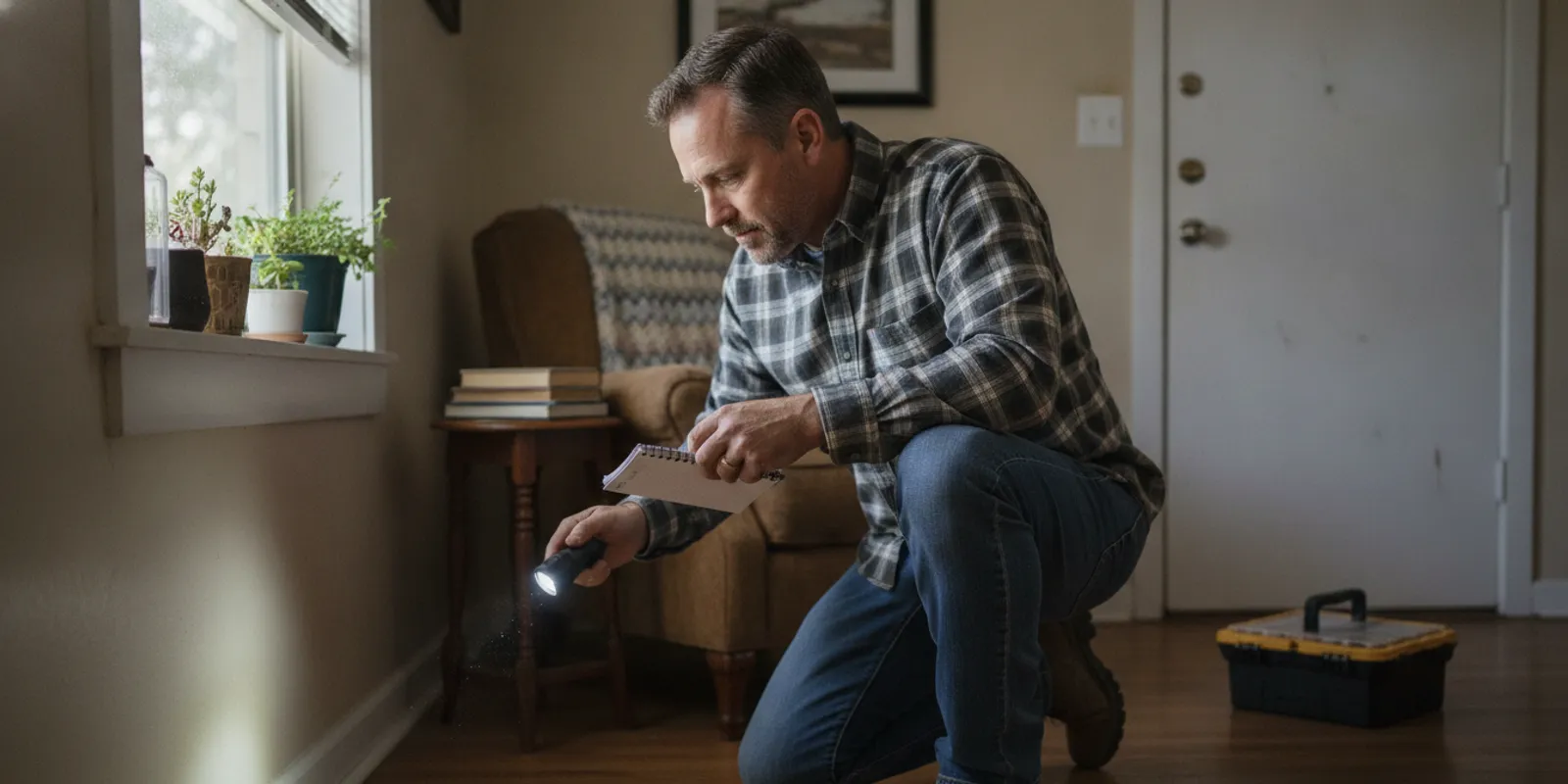
Use a bright flashlight, a notepad, and your phone. Wear light-colored clothes so a small insect is easier to see if one is on you. Keep a zip bag nearby only if you can safely contain a specimen without carrying loose bedding through the house. Do not shake sheets in a hallway, and do not drag a mattress to another room for a better look.
Work in this order, and stop to write before you move to the next spot:
Name the room and the piece of furniture.
Check seams, joints, and gaps you can see without taking the furniture apart.
Photograph a mark in place, with one close shot and one wider shot.
Note the date, the exact surface, and whether you saw an insect, a spot, a pale casing, or only a bite.
Leave the item where it was.
That record is more useful than a pile of moved furniture. It also keeps a possible hitchhiker from riding a laundry basket into a second bedroom.
Start at the bed, then move outward
Begin with the bed or sofa where someone actually sleeps or naps, and pull back the top sheet only. Look along the mattress piping, the tag, the corners, and any fold you can see without flipping the whole mattress onto the floor. Then check the box spring edge, the bed-frame joints, and the screw holes you can reach. A headboard that touches the wall deserves a slow pass along the seam where wood meets plaster.
The EPA says bed bugs hide near mattress piping, seams, tags, and cracks in the frame and headboard when they are not feeding. In a heavier situation they may also turn up in chair seams, cushion folds, drawer joints, or even a screw head. A gap about as wide as a credit card is enough of a hiding place. You do not need to unscrew outlet covers or peel wallpaper to do a useful first check.
Lift only what you can put straight back. If a dust ruffle is in the way, raise one corner and look along the underside edge. Check the zipper on a mattress encasement if one is already on the bed, and treat a torn zipper as a place to note rather than a reason to throw the cover away. Look at both sides of the fitted sheet along the elastic, then put the sheet back before you move on.
People often rush the headboard because it looks solid. Run the light along the top edge, the bracket, and the gap against the wall. If the headboard is mounted, do not pull it off the studs, because a photo of that gap is enough. The same slow pass works for a metal frame: check each leg, each sleeve where the tubing slides together, and any felt pad stuck to the foot.
What to look for, and what to leave alone
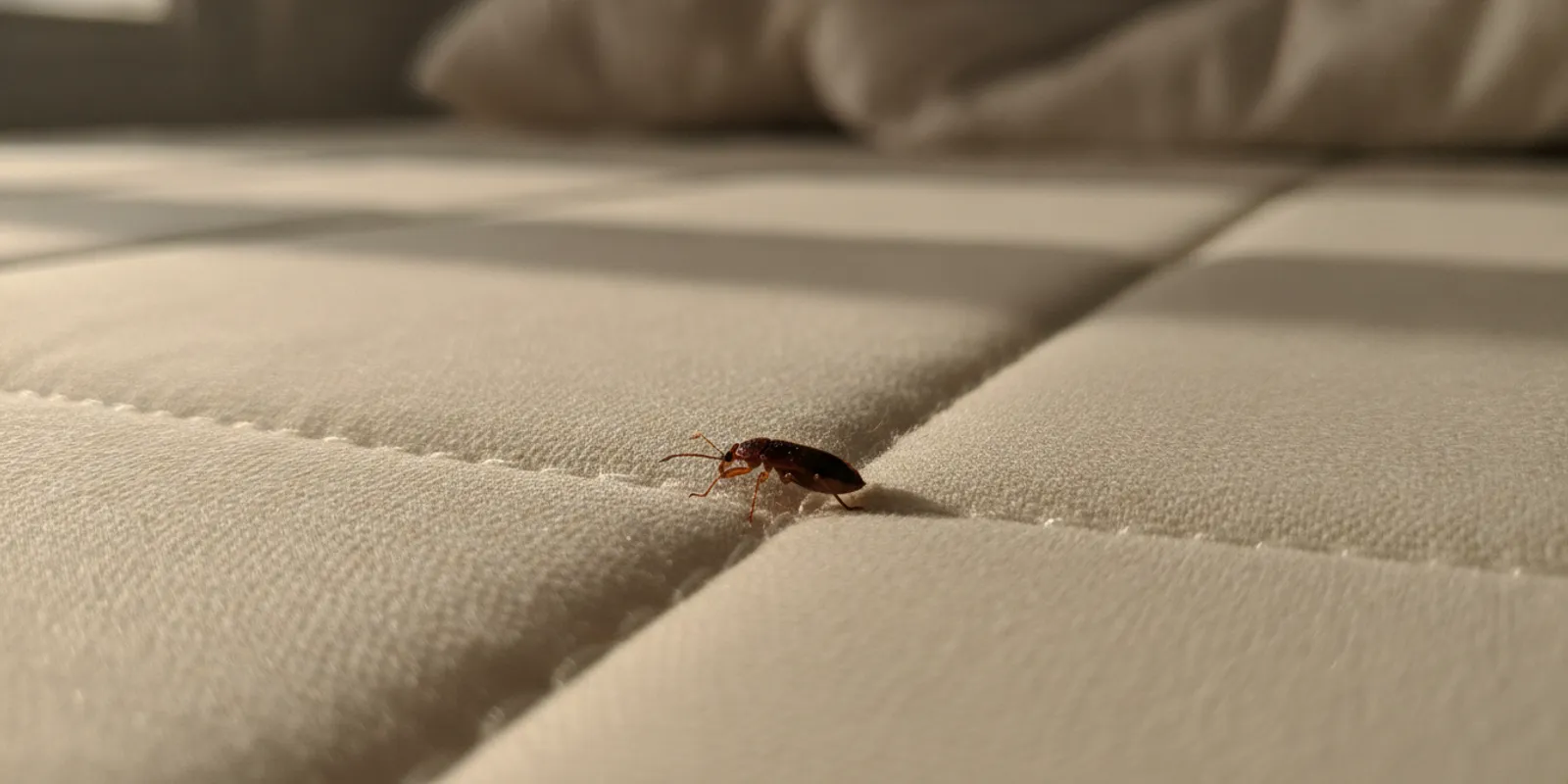
Look for four kinds of clues. A live insect is the strongest, and a dark spot about the size of a pen tip, which may bleed into fabric the way a marker does, comes next. Rusty or reddish stains can come from a crushed insect. Tiny pale eggs, about 1 millimeter, and pale shed skins are the easiest to confuse with lint. If you are unsure what an insect looks like, use the separate guide on what bed bugs look like instead of guessing from color alone.
Do not treat every speck as proof, because lint, rust on a frame, and old food stains can mimic the marks. Write "dark spot on the lower mattress seam" rather than "droppings" unless you are sure. If you already found a live insect and need the first-hour steps, follow what to do if you find bed bugs. This check is the step before that response, not a second copy of it.
Room-by-room check for the rest of the home
After the main bed, check the other places people rest, and finish one room fully before you start the next. A fast lap through every room usually misses the seam that matters and scatters clothes along the way.
Bedrooms and guest rooms
Check nightstands inside and out, including drawer joints you can see. Look at the back of a headboard, the legs of the frame, and luggage that has been unpacked on the bed. Spare pillows and stuffed animals that stay on the bed belong in the same pass. A guest room that sat empty still counts if someone slept there in the last few weeks.
Living room and other resting spots
Sofas, recliners, and upholstered chairs hide the same kinds of seams as a mattress. Check the piping, the gap under a cushion, and the joint where the arm meets the back. If someone naps on that couch, treat it as a second bed, and give the curtain folds right beside that seat a glance. A chair nobody sits in can wait until the resting spots are done.
What you can skip on the first pass
Skip the attic, the garage, and the pantry unless someone sleeps there. Bed bugs stay near people, so they are not a sign that the house is dirty, and a spotless room can still hide them. The Centers for Disease Control and Prevention notes that cleanliness does not decide whether bed bugs are present. The CDC also says they are not known to spread disease, while itching and lost sleep are the usual problems. A skin worry belongs with a medical professional, not with a pest check.
A child's room needs the same bed-first order, with one extra note. Check the crib or toddler bed seam, the stuffed animal that stays in the bed, and the backpack only if it rested on the mattress. Do not strip the whole room into garbage bags. Bagging everything before you have a note makes it harder to say where a clue started.
If more than one person reported bites, still check the beds one at a time and write which bed had a mark and which bed had none. A shared couch in the living room can explain marks that do not match a single mattress. That pattern is useful, but it is not a reason to treat every room on a guess.
Read the clues before you call it an infestation
One mark rarely settles the question, while a pattern in one spot is more useful. Use the table as a sorting guide, not as a lab result. When two or more rows show up on the same bed, write that down and ask for an inspection rather than spraying the room yourself.
What you found | Where it usually sits | How strong the clue is | What to write down |
You found a live wingless insect with a flat, oval body. | It was in a seam, joint, or screw gap near a bed or sofa. | This is the strongest clue you can gather at home. | Record the room, surface, and time, and note whether you saved it in a sealed bag. |
You found a dark spot about the size of a pen tip. | It was on mattress piping, a sheet, or a box-spring edge. | This clue is useful when several spots sit along one seam. | Record the count and the exact seam, then take a photo before any cleaning. |
You found a rusty or reddish stain. | It was on a sheet or mattress surface. | This clue is supportive, but it is easy to confuse with other stains. | Record which side of the bed it was on and whether the mark smeared. |
You found a pale shed skin or a tiny pale speck. | It was in a protected crease or a frame crack. | This clue is weak on its own because lint looks similar. | Take a photo in place, and do not call it an egg unless it is identified. |
You noticed itchy marks on skin only. | You found no insect and no spot on the furniture. | This clue is weak because bites have many other causes. | Write that bites were reported and no insect was found, then keep looking. |
A single insect in a suitcase is not the same as spots on every mattress seam, so say which one you have. That difference changes the inspection, and it stops a scary guess from steering the visit.
What to gather before you request help
Pro Pest's bed bug work starts with the inspection, not with a product picked off a shelf. On the services page, the bed bug offering is a whole-house liquid treatment of cracks and crevices, furniture, and furniture frames. An organic option is advertised for this bed bug service only. It is not a claim that every Pro Pest treatment is chemical-free. Follow-up visits are part of addressing insects, nymphs, and eggs. The public page does not state a visit count, a price, or a guarantee, so this article will not invent one.
Office hours and service hours are not the same thing. The about page lists office hours Monday through Friday, 8 a.m. to 5 p.m. Service hours run Monday through Friday, 7 a.m. to 5 p.m., and Saturday 8 a.m. to 3 p.m., while Sunday is closed. Same-day service is described as available whenever possible, not as a promise that a request becomes a same-day visit.
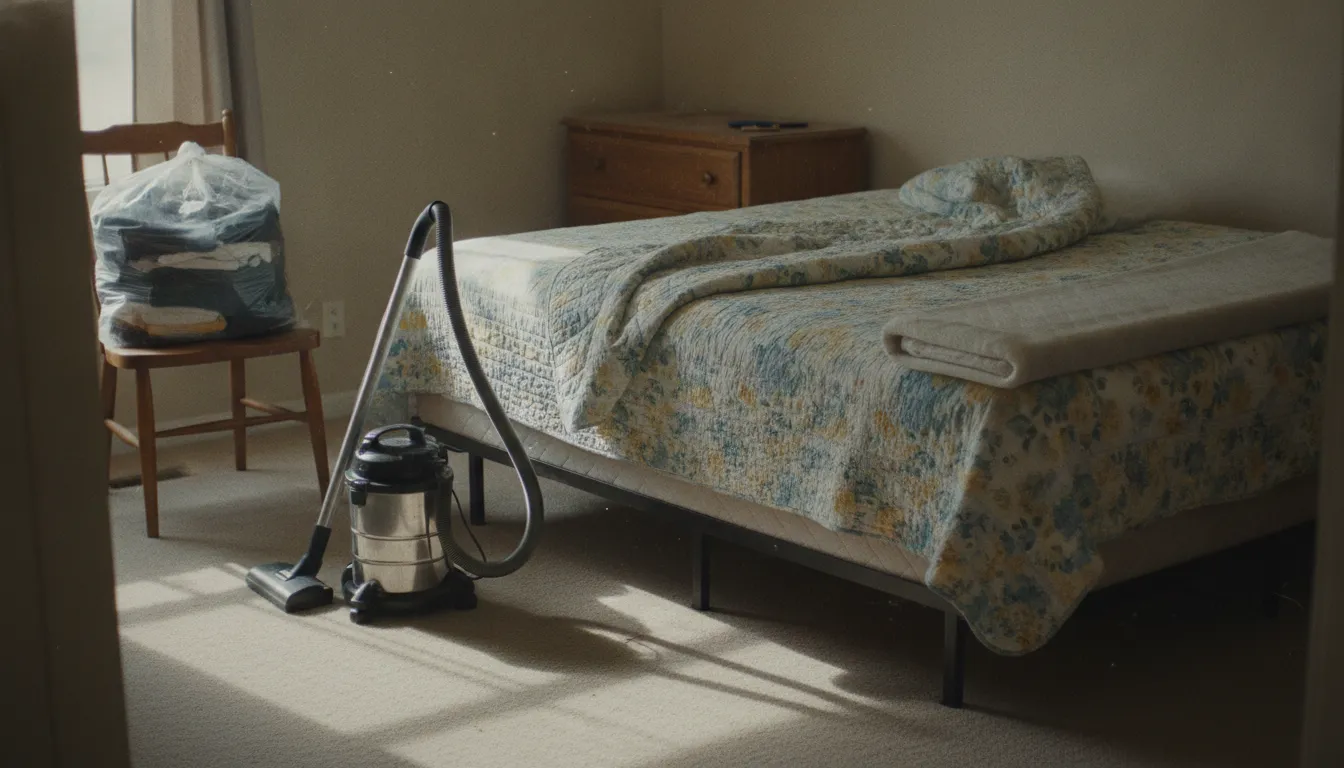
Bring the notes rather than a cleaned-up room, because vacuuming the seam before the photos removes the clue a technician would use. If you already washed the sheets, say so, and say which bed. Leave a contained insect in its bag with a piece of tape that names the room. A clear label beats a retelling three days later.
Before you send the form, collect four facts:
The property type: house, rental, or a commercial space such as a hotel room or office.
The ZIP code, so coverage can be confirmed. Sealy and the surrounding towns are the local footprint. Houston and Katy are target markets, not proof that every address qualifies.
Whether you want a one-time look or you are asking about ongoing service.
Your notes: rooms checked, what you saw, and photos still attached to the original spot.
Renters should also follow the property's own reporting steps. Keep suspect bedding out of shared halls and shared laundry until someone has looked. Commercial owners should name the room and whether guests or staff rest there. A home checklist is not a scope for a whole building.
If you want the broader prevention habits, such as luggage and second-hand furniture, read bed bug prevention tips. For how a free visit is requested and what a general inspection covers, see what happens at a pest control inspection. The bed bug check in this article is narrower than that general visit.
When the notes are ready, book bed bug inspection help through the quote form, or call (979) 885-6666. Tell us the ZIP code, the rooms you checked, and whether you need a one-time visit.
Frequently asked questions
Can I check for bed bugs with bites alone?
No. The EPA says bites are a poor indicator because they can match other insect bites, rashes, or hives, and some people do not react. Pair any skin marks with a search of the bed seams, and talk with a doctor if the skin problem worries you.
How long does a careful home check take?
Plan on a slow pass of the main bed and one other resting spot, not a whole-house tear-out. Most homeowners can cover one bedroom's seams, frame, and nightstand in a single sitting if they stop to take photos. Speed matters less than leaving each item in place.
Should I flip the mattress or take the bed apart?
Look at the seams, tags, and frame joints you can reach. Do not flip a heavy mattress into another room or pull the frame apart on a hunch. Moving it can spread a clue and make the later inspection harder to read.
Does a clean house mean I can skip the check?
No. The CDC notes that cleanliness does not decide whether bed bugs are present, because they travel on bags, clothing, and furniture. A tidy Sealy-area home can still need a look after travel or a used-furniture delivery.
What should I send with an inspection request?
Send the room, the exact surface, the date, and photos of any insect or spot in place. Add the ZIP code and say whether the property is a home, a rental, or a commercial space. That is enough for Pro Pest to judge the next step. It is not a confirmed appointment until the request is returned.
Comments