Do-It-Yourself Pest Control: When to Seek an Inspection
When you search for do it yourself pest control, it can be hard to tell whether a sighting is a one-time visitor or a sign of activity you cannot see. A calm first step is to document what you observe, make only low-risk changes, and avoid guessing at a treatment before you know the pest and its source. Here is how to decide what you can reasonably handle and when an inspection can help.
What can you learn before you choose a response?
Start with evidence, not a product or a treatment plan. A single insect near an open door, a recurring trail in a kitchen, and unexplained damage inside a wall are different situations. They may call for different next steps, and a photo or careful note is more useful than a guess about the pest.
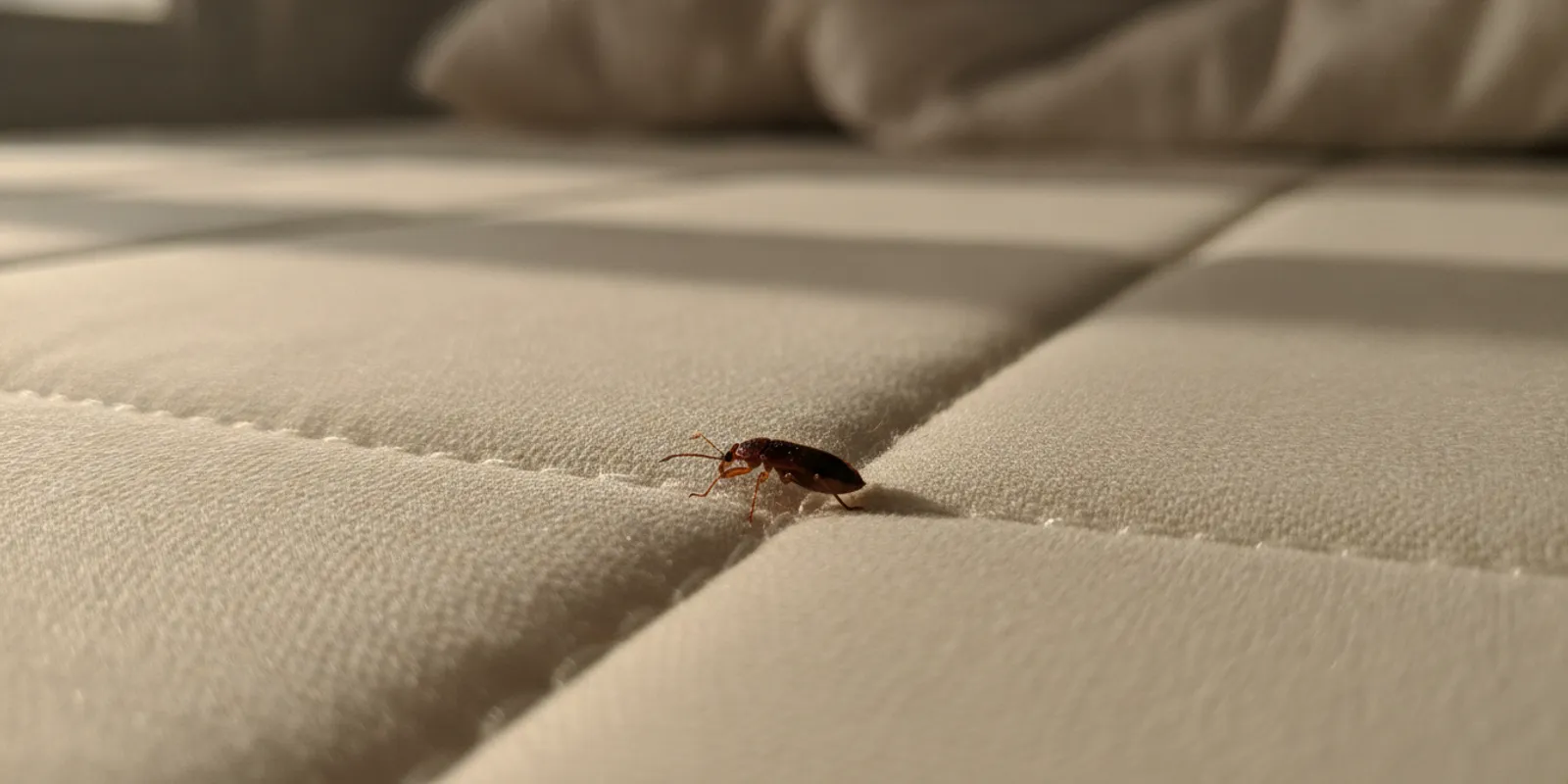
Look from a safe distance and record the date, room or outdoor area, approximate number of sightings, and what was happening nearby. Note whether you saw a live insect, shed material, droppings, a nest, a damaged item, or only a mark you cannot identify. If you can photograph it without handling or disturbing it, keep one clear image. Include an object nearby for scale, but do not put your hands close to an unknown insect or nest.
Check whether the activity repeats in the same place or appears in different areas. A short written log can reveal a pattern that memory misses. For example, note “two small insects by the back door after watering” rather than “the whole house is infested.” Describe what you actually saw and leave the conclusion open until the evidence supports it.
For a general explanation of what an inspection may cover, see Pro Pest’s guide to a pest control inspection. This article focuses on what to observe and how to decide on a next step; it is not a substitute for identifying a pest from a detailed description alone.
Which low-risk steps are useful for most homes?
Some housekeeping and maintenance steps can reduce access to food, water, and shelter without requiring you to identify a pest or apply a product. These steps are useful as basic home care, but they do not prove that a pest problem is solved. If you continue seeing activity, record that fact rather than repeatedly changing your approach.
- Store food and pet food neatly.
Keep opened food in closed containers where practical, clear crumbs from preparation areas, and avoid leaving pet food out longer than needed.
- Manage rubbish.
Use a container that closes, remove rubbish regularly, and clean spills around the bin.
- Address visible water.
Wipe up standing water and report or repair a leak through the appropriate maintenance channel. Do not open walls or plumbing to look for a suspected source.
- Reduce clutter carefully.
Keep items off the floor when feasible and avoid moving a suspected nest, contaminated material, or heavily affected belongings through the home.
- Check ordinary entry points.
From a safe position, note gaps around doors, screens, pipes, and windows. A loose screen or visible gap may be a maintenance issue, but do not seal an area if you suspect an animal or insects are trapped inside.
- Keep notes as conditions change.
Record whether the same signs return after cleaning or maintenance. A change in sightings is useful information, not by itself proof that the source is gone.
These measures are practical starting points, not a promise of control. They do not replace a closer look when activity continues, damage is unexplained, or the affected area is difficult to access. For other general home observations, Pro Pest’s overview of moisture-related pest concerns discusses why damp conditions may be worth noting.
When does a DIY response become guesswork?
DIY attempts become less useful when the pest is uncertain, the evidence is concealed, or the action depends on knowing where an infestation begins. A product label or online photo cannot confirm that an insect in a room is the same as one pictured, nor can a surface treatment reveal activity behind a wall, under a floor, or in another part of a building.
Pause before trying to treat if any of these conditions apply:
You cannot confidently identify what you saw, or several pests look plausible.
You find repeated activity, fresh damage, or signs in more than one location.
The suspected source is inside a wall, ceiling, crawl space, roofline, shared wall, or other place you cannot inspect safely.
You see a nest or a concentration of insects and would have to disturb it to continue.
The activity affects a rental, shared, food-service, healthcare, lodging, or other commercial property where coordination matters.
You have already tried a product or home remedy and the issue continues or appears in a new area.
You are unsure whether a proposed action is appropriate for the people, pets, surfaces, or activities in the space.
At that point, adding more products or repeating an uncertain treatment can make it harder to understand what is happening. Stop, keep people away from the affected area as appropriate, and use the product’s own label or an appropriate professional source for instructions related to any product already used. Do not mix products or use them in a way their labels do not allow. For broader pesticide information, start with the U.S. Environmental Protection Agency; for an active or unclear pest issue, ask a qualified professional about the specific property and concern.
How can you tell whether a pattern needs a closer look?
Frequency and location are useful clues, even when they do not identify a pest on their own. A sign that appears once may be different from the same sign returning over several days. Activity in a single place may also have a different explanation from similar signs appearing in unrelated rooms. Write down the differences instead of combining them into one conclusion.
Look for changes you can describe: Is the number of sightings increasing? Are new areas involved? Is there fresh damage, or are you seeing the same old mark? Is activity tied to a door, a food-storage area, a damp spot, or a time when lights are on? These details help frame the question. They do not establish cause, and you should not create a test by leaving food out, disturbing a suspected source, or applying a product.
For example, a homeowner who sees one insect at an exterior door can note the time, check whether the screen is visibly damaged, and watch for a repeat. If the same kind of activity keeps appearing indoors, the homeowner can document each location and ask for an assessment rather than assuming the door is the only entry point. In a commercial property, a manager can note the affected unit or work area and coordinate with the person responsible for the building before taking action.
Use a short log rather than waiting indefinitely for certainty. A few dated observations are often clearer than a long recollection after several different remedies have been tried. If a situation worsens, creates a safety concern, or involves a concealed area, stop investigating yourself and seek appropriate help.
How should you compare common next-step choices?
The right next step depends on how certain you are about the pest, how serious or persistent the signs are, and whether the property can be checked without disturbing a suspected source. The table below is a decision aid, not a diagnosis or a treatment recommendation.
What you observe | Reasonable next step | What to avoid assuming |
One isolated sighting, with no other signs | Record the date and place; check ordinary entry and housekeeping conditions. | That one sighting proves an infestation, or proves there is no hidden activity. |
Activity recurs in one area | Photograph from a safe distance, note the pattern, and arrange an assessment if it persists. | That a surface treatment will reach the source. |
Unknown insect, nest, or possible damage | Do not disturb it; preserve observations and request identification or inspection. | That an online image or home remedy identifies the issue. |
Signs in a shared or customer-facing building | Document the location and notify the responsible property contact; coordinate a professional assessment. | That one occupant or employee should treat the area alone. |
Concern continues after a prior attempt | List what was tried and when; get advice based on the pest and findings. | That more of the same action is necessarily the answer. |
What should you avoid doing while you investigate?
When evidence is uncertain, restraint protects both your ability to assess the problem and the people using the space. Avoid crushing, collecting, or moving an unknown insect or nest with bare hands. Do not pull apart building materials or climb into an unsafe area to look for a source. If you find a suspected nest, damaged material, or a cluster, take a picture from a distance if that can be done safely and leave it undisturbed.
Be cautious about advice that promises one universal remedy for every pest. A home remedy may have no effect on the actual source, and an unsuitable product or placement can create avoidable exposure or damage. Never transfer a product into an unmarked container, apply it somewhere its label does not permit, or combine it with another product. If you are unclear about an already-used product, consult its label and appropriate professional guidance rather than improvising a cleanup method.
Do not treat every mark, sound, or insect-like object as proof of a pest problem. Keep the original observation separate from your interpretation: “small dark specks on the shelf” is more helpful than “definitely insect eggs” if you do not know what they are. That distinction helps a professional assess the evidence rather than start from an unverified conclusion.
What information makes an inspection request more useful?
A helpful request describes the property and the concern in concrete terms. Pro Pest asks prospective customers to request a free, no-obligation inspection; a request is not a confirmed appointment or a fixed-price quote. Share enough context for the company to understand what you are asking about and to determine the appropriate next step.
Before submitting a request, gather these details:
- Property type:
Say whether it is a home or a commercial property. For a business, identify the general setting, such as an office, apartment property, restaurant, hotel, or warehouse.
- Location:
Include the ZIP code and the relevant town or area. Pro Pest is based in Sealy and serves Sealy and surrounding areas; confirm whether your specific location is within its service footprint rather than assuming coverage from a nearby city name.
- Pest or sign:
Name the pest only if you are reasonably sure. Otherwise describe what you saw, where it appeared, and what makes you uncertain.
- Pattern:
Note when the activity began, how often you have noticed it, and whether it is limited to one room, unit, or outdoor area.
- Previous steps:
Briefly state what you have already tried and when. If a product was used, identify it from its packaging if available; do not apply more while waiting just to test another guess.
- Service preference:
Explain whether you are exploring a one-time service or ongoing service. This helps clarify what you want discussed; it does not establish a plan, visit schedule, or price.
Photos can help explain a concern, but they do not always establish an identification. Do not delay a request while trying to get a perfect image, and do not create a closer view by touching or moving a suspected source. You can also read Pro Pest’s inspection overview for more context about what to expect from an inspection-led process.
How is a professional inspection different from another DIY attempt?
An inspection-led visit begins by looking at reported activity and conditions before recommending targeted treatment. For residential work, Pro Pest describes checking inside and outside for pest activity, damage, conditions that may support pests, and possible entry points. The inspection can help distinguish what is observed from what still needs confirmation, and inform what work may be appropriate.
This is not a promise that every source will be visible or that every concern calls for the same treatment. The appropriate method depends on inspection findings, the pest, and the property. If treatment is recommended, ask what areas it covers, what the next steps are, and whether any follow-up is part of the recommendation. Do not assume a standard visit cadence, contract term, price, or universal guarantee.
Residential service and commercial service are not interchangeable. A homeowner may need to describe rooms, entry points, and household activity. A commercial owner or property manager should identify affected units or work areas, relevant operating schedules, and who is responsible for coordinating access. Pro Pest describes service for residential customers as well as commercial properties; its residential pest-control page and commercial pest-control page provide separate starting points. A page description alone does not confirm that a particular ZIP code or job is eligible, so include the location in your request.
If your concern is specific to outdoor activity, be clear about whether the signs are inside, around the building, or in a yard. Do not assume an indoor treatment addresses outdoor activity or the reverse. Pro Pest’s yard pest assessment guide can help you think about what to observe outside, while an inspection request can clarify the concern for your property.
What should commercial property owners consider?
In a business or shared property, a DIY response can affect more than the person who first noticed the pest. A property manager, business owner, facilities contact, tenant, or employee may each have different authority over access and maintenance. Identify who should receive the report before anyone moves equipment, treats a room, or changes how the area is used.
Record the affected area as precisely as practical, while protecting privacy and avoiding unsupported claims about the extent of the issue. Note whether signs are in a storage area, customer area, unit, loading area, or near a shared utility space. Keep track of any action already taken and who took it. Coordinate any access restrictions or follow-up through the person responsible for the property.
For a commercial assessment request, state the business or property type, address or ZIP code, affected area, activity pattern, and preferred one-time or ongoing service discussion. Do not promise customers, tenants, or staff that a pest will be eliminated or that a service visit is available at a particular time until the details have been confirmed. The inspection is a request for assessment, not a confirmed appointment or a fixed scope of work.
When should you stop waiting and ask for help?
Do not wait for a perfect identification if signs are recurring, there is suspected building damage, the source cannot be reached safely, or people responsible for a shared property need to coordinate. A professional assessment is also a sensible next step when you have tried ordinary cleaning or maintenance and the same activity continues. The point is not that every sighting requires service; it is that uncertainty and repetition can make trial-and-error less useful.
When deciding whether to request an inspection, consider these questions:
Can I describe the evidence without guessing at the cause?
Has the same sign returned, increased, or appeared in another area?
Would investigating further require disturbing a nest, opening a structure, or entering an unsafe space?
Is this a shared or commercial property where a responsible contact needs to coordinate next steps?
Have I already tried an action without a clear result?
If you answer yes to one or more, an inspection request can help move from guesses to a property-specific discussion. If the situation is an immediate safety emergency, contact the appropriate emergency service rather than waiting for a routine pest-control response. For non-emergency pest concerns, include the pest or signs, property type, ZIP code, and whether you are considering one-time or ongoing service when you request an inspection from Pro Pest.
DIY pest control questions
Does one pest sighting mean there is an infestation?
Not by itself. One sighting is a reason to note the time and place, but it does not establish whether there is a larger or hidden problem. Look for a pattern and report other signs without assuming they all have the same cause.
Should I treat the area before asking for an inspection?
Not if you are uncertain what the pest is, where it is coming from, or whether a product is appropriate for the area. Avoid disturbing the evidence or adding an uncertain treatment. If you already used a product, note its name and when it was applied and follow its label.
Will an inspection confirm a fixed price or appointment?
No. Pro Pest invites customers to request a free, no-obligation inspection. Submitting a request does not confirm an appointment or provide a fixed-price quote; the property, pest, and findings need to be discussed.
What should I send if I cannot identify the pest?
Describe what you observed, where and when you saw it, whether it has happened again, and any related damage or other signs. A photo from a safe distance may be useful, but do not handle or disturb an insect or nest to get one.
Choose the next step from what you know
DIY pest control is most useful when it means careful observation and sensible housekeeping, not repeated treatment based on a guess. Record what you see, address basic maintenance conditions you can safely manage, and stop if the source is unclear or the activity continues. If you want a property-specific assessment, share the pest or signs, property type, ZIP code, and whether you are considering one-time or ongoing service when you request an inspection.
A clear description helps Pro Pest understand the question; the inspection and any service recommendation depend on the property and what is found.
Comments