Yard Pest Control: How to Assess and Reduce Outdoor Activity
Good yard pest control starts with finding out what is attracting pests and where they are spending time. A few insects around a porch do not always call for the same response as repeated mosquito activity, ant trails, a nest near a doorway, or flea activity moving between a yard and a home. For Sealy-area homeowners, a careful walk around the property can reveal moisture, shelter, food, and entry conditions that make outdoor activity more likely.
This guide explains what to look for, which practical changes can make a yard less inviting, and when it makes sense to ask a pest professional to assess the property. The goal is not to promise a pest-free yard. It is to identify the conditions involved and reduce activity with a response matched to the pest and the property.
Start by assessing the activity, not by treating everything
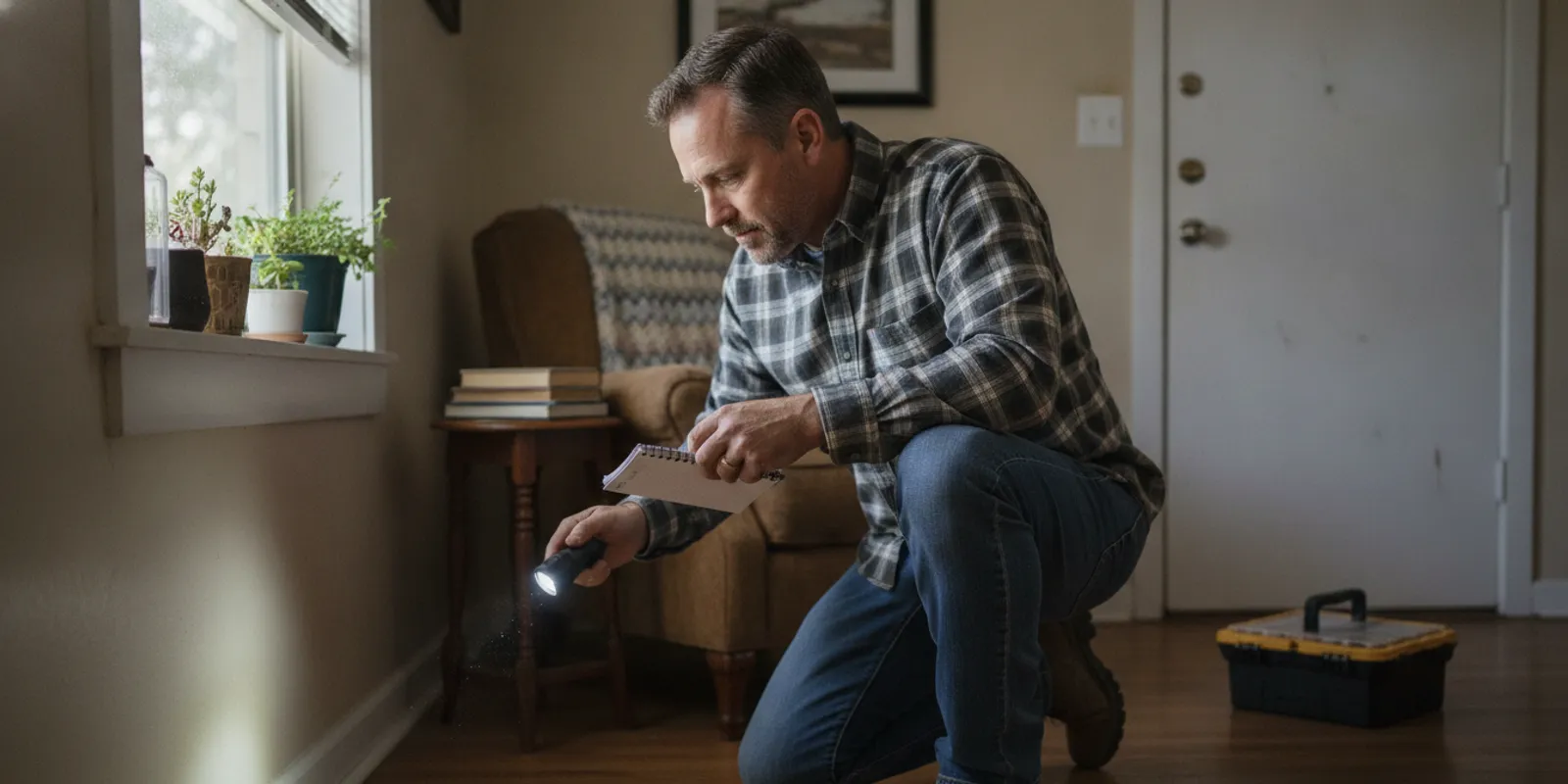
Outdoor pest activity is easier to address when you can describe a pattern. Before reaching for a product or scheduling a service, spend a few minutes observing the yard at the time insects are most noticeable. Note the location, approximate number, weather, and whether the activity is increasing or staying occasional.
Identify what you are seeing
“Bugs in the yard” can describe very different situations. Ants may be following a trail to food or moisture. Mosquitoes may be resting in shaded vegetation or developing near standing water. Wasps may be visiting flowers or defending a nest. Fleas may be associated with pets or wildlife activity. Spiders may be using areas where other insects are already present.
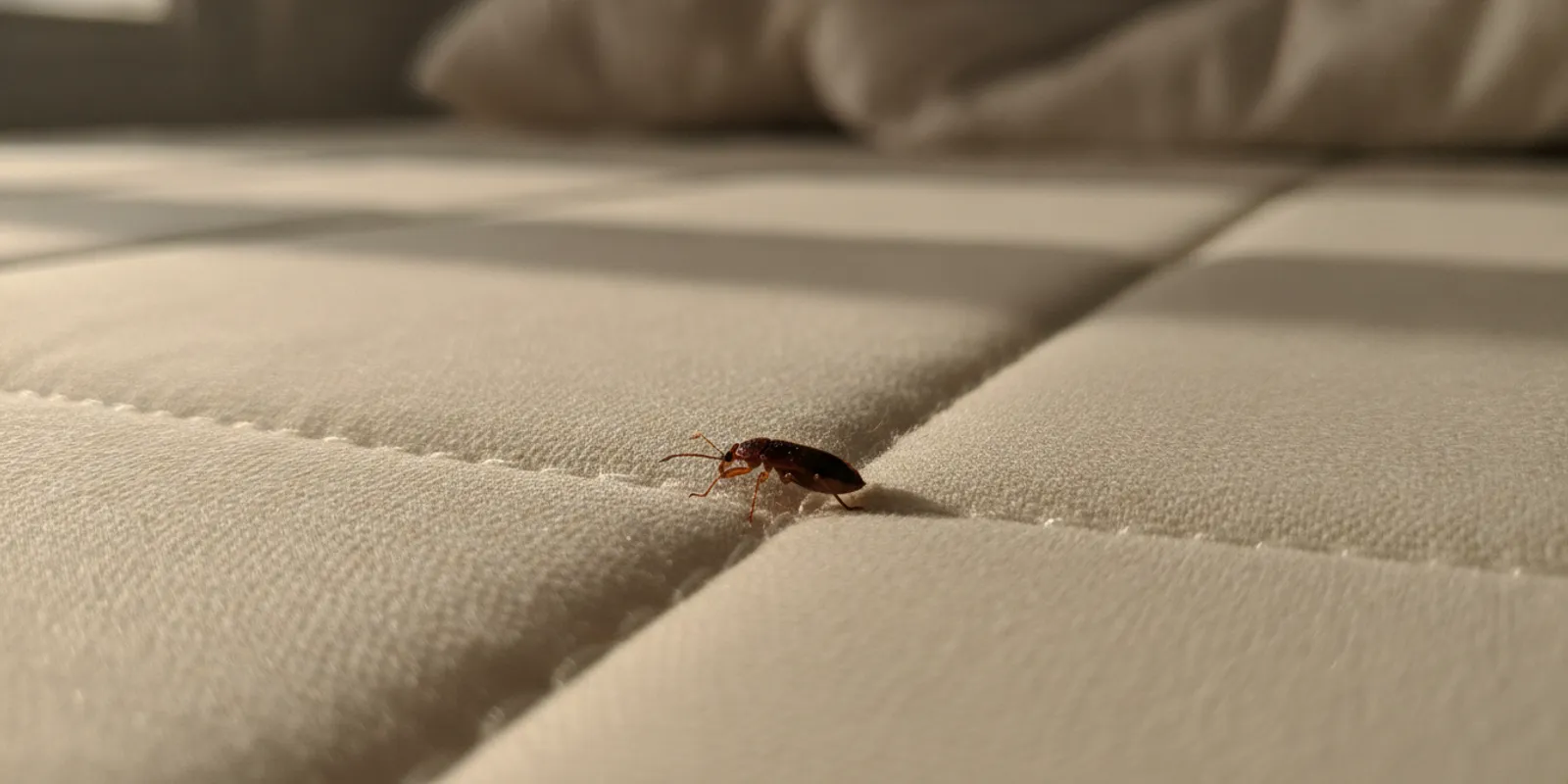
A clear photograph taken from a safe distance can help with later identification. Do not handle an unfamiliar insect, disturb a nest, or try to collect a stinging insect. Identification matters because the useful prevention step depends on the pest’s behavior and life cycle.
Map where and when activity occurs
Walk the edges of the home, patio, fence line, garden beds, play areas, and any outbuildings. Look for repeated activity rather than a single insect passing through. Ask yourself:
Is activity concentrated near a door, window, foundation, porch light, or outdoor eating area?
Does it appear after rain, watering, or irrigation?
Is it strongest in shade, leaf litter, mulch, dense shrubs, or tall grass?
Are there trails, droppings, plant damage, webbing, mounds, holes, or nest material?
Is the concern limited to the yard, or are pests also entering the home?
These observations help separate a short-lived nuisance from a recurring condition that needs a more deliberate plan. They also give a technician useful information if you request an inspection.
Use a simple yard inspection checklist
A yard inspection does not require specialized equipment. The most useful first pass is a slow check of places that provide water, food, shelter, or a route toward the structure.
Check for standing water and excess moisture
Look in plant saucers, buckets, toys, clogged gutters, low spots, tarps, wheelbarrows, birdbaths, and other containers. Empty or turn over items that are not meant to hold water. Make sure water can drain away from the foundation and that irrigation is not keeping soil, mulch, or shaded corners continually wet.
Moisture does not automatically mean there is an infestation, but it can support conditions that attract or sustain different pests. Pro Pest’s moisture-pest guide offers a closer look at what to check around a home when dampness is part of the pattern.
Inspect vegetation, mulch, and leaf litter
Dense shrubs, ground cover, fallen leaves, and thick mulch create shade and shelter. Check where branches touch siding or the roof, where plants press against doors and windows, and where leaf litter collects along the foundation. Keep plants maintained so you can see the wall, threshold, and soil line.
Do not remove every plant or treat every bed simply because insects are present. Gardens also support pollinators and other beneficial organisms. The better approach is to identify the specific area connected to the problem and change conditions there first.
Look at storage, debris, and outdoor food sources
Firewood, lumber, cardboard, unused equipment, and yard debris can create protected spaces close to a home. Store firewood away from the structure and off the ground where practical. Remove rotting wood and keep trash cans closed. Clean food and drink spills from patios, grills, tables, and outdoor play areas.
Pet food and water can also draw ants and other scavenging pests if left outside for long periods. Keep feeding areas clean and follow your veterinarian’s guidance for pet-related concerns. Outdoor pest prevention works best when several small attractants are addressed together.
Check the structure’s exterior edge
Inspect screens, door sweeps, vents, utility penetrations, cracks, and gaps around windows. Pay attention to places where the foundation meets soil, mulch, or plants. Seal or repair openings that are appropriate for a homeowner to address, while leaving any electrical, roofing, plumbing, or structural work to the appropriate professional.
If pests are already moving indoors, a yard-only response may miss the entry route. Pro Pest’s residential pest-control information describes an inspection-led process that considers activity, damage, entry points, and conducive conditions before targeted interior or exterior treatment is recommended.
Practical ways to reduce outdoor pest pressure
Once you have identified the likely conditions, make changes that fit the pest and the part of the property involved. Integrated pest management guidance from the University of Florida’s landscape IPM resource emphasizes identifying and monitoring pests, preventing favorable conditions, and combining methods rather than relying on one automatic treatment.
Reduce water where it is not needed
Empty containers regularly, correct leaks, clean gutters, and adjust irrigation so water reaches the landscape instead of pooling against the house. If a low area stays wet after reasonable drainage changes, document it and consider whether a drainage or grading professional is needed.
Make hiding places easier to monitor
Trim vegetation away from doors, windows, and exterior walls. Keep the foundation edge visible where possible. Clear excess leaf litter and debris from areas where you need to see activity. This does not eliminate every insect, but it makes new trails, nests, and moisture problems easier to spot.
Keep food and waste managed
Clean outdoor cooking and dining areas after use. Rinse recyclable containers when appropriate, close trash lids, and avoid leaving pet food outside. If ants repeatedly return to one spot, look for the food or water source before treating the trail alone.
Protect entry points
Repair torn screens, add or replace door sweeps, and close small gaps around common entry points with a suitable material. Check that doors close fully. An exterior treatment cannot compensate for an opening that repeatedly allows pests inside, and sealing work should be coordinated with the right building professional when the cause is structural.
Use pesticides only when the product and situation fit
If you use a pesticide, read and follow the product label. The U.S. Environmental Protection Agency’s Read the Label First guidance explains that the label provides directions, precautions, and other information needed for safe and legal use. Avoid spraying on a guess, mixing products unless the label allows it, or applying more than directed.
Keep children, pets, food, and outdoor equipment away from treated areas according to the product label. Never spray a nest or unknown insect at close range. If you are unsure what the pest is, where it is nesting, or which treatment is appropriate, an inspection is a safer starting point than repeated trial-and-error applications.
What to consider for common yard pest concerns
The same inspection principles apply across the yard, but the clues differ by pest. The following are decision points, not a promise that any one condition has one universal solution.
Mosquitoes
Look for standing water, shaded resting areas, dense shrubs, and places where people spend time outdoors. Empty containers and improve drainage where possible. If mosquitoes remain a repeated problem, note the areas where adults are most active and whether the concern is residential or related to a commercial property or event.
Pro Pest describes mosquito service as population reduction using treatment around areas such as shrubs, trees, bushes, flowerbeds, ditches, birdbaths, and standing-water areas. The company also describes recurring treatment about every 21 days or a one-time treatment before an event; results depend on the property and conditions, so this should not be read as permanent elimination. The mosquito-prevention guide includes additional homeowner checks.
Ants
Follow an ant trail from a safe distance and look for moisture, food, vegetation contact, or a crack near the foundation. Wiping up food and correcting the attractant may help with occasional activity. Repeated trails, activity in several rooms, or ants entering through the same exterior route call for a closer assessment. Avoid sealing a suspected entry point before you understand whether activity is still inside the structure.
Wasps and bees
Do not approach a nest or block an opening that may be used by stinging insects. Observe from a distance and note where insects are entering and exiting. Species identification matters, and a nest tucked inside a wall, soffit, or other void may require a different response than a small exposed nest. Keep people and pets away from the area and request professional help if activity is near a doorway, walkway, play area, or frequently used part of the yard.
Fleas and other biting pests
Consider whether pets, wildlife, shaded resting areas, or indoor carpeting are part of the pattern. Do not assume every bite is caused by a flea or another insect. A professional can help determine whether the activity is consistent with a pest issue and whether both indoor and outdoor areas need to be considered. Pro Pest’s documented flea service includes interior areas such as carpeting and baseboards as well as exterior yards, flowerbeds, and shrubs, with a second treatment 7–10 days after the first when that service is selected.
When to request a professional yard pest inspection
Consider an inspection when activity is recurring, spreading, entering the home, damaging plants or structures, or occurring near people who need the area for normal use. Professional help is also worthwhile when you cannot identify the pest, a nest is difficult to reach, a DIY product has not changed the pattern, or the property has moisture or entry conditions you cannot resolve.
Pro Pest is based in Sealy and serves the confirmed surrounding-area footprint. The company’s approach begins with looking at the property and activity before recommending targeted treatment. A request for a free, no-obligation inspection is not a guaranteed appointment or a fixed-price quote; the appropriate next step depends on the pest, property, and service area.
When you contact a pest professional, be ready to share the property location, the type of activity you observed, where it occurs, when it is worst, whether anyone has been stung or bitten, and whether pets, children, gardens, or other sensitive areas need to be considered. For a commercial property, mention the property type and the outdoor areas that need review rather than assuming a residential treatment plan applies.
Request a free, no-obligation inspection from Pro Pest or call (979) 885-6666 to discuss recurring yard activity in the Sealy area.
Yard pest control questions
How often should I inspect my yard for pests?
A quick seasonal check and an inspection after major rain, irrigation problems, or landscaping changes can help you catch conducive conditions early. If you are seeing repeated activity, check the specific area more often and record what changes with weather and watering.
Does yard pest control mean spraying the entire lawn?
Not necessarily. The right approach depends on the pest, where it rests or breeds, and whether activity is connected to the structure. Broad treatment without identification can miss the source and needlessly affect non-target areas. Start with observation and follow product-label directions or request an inspection.
What should I do before a pest inspection?
Make a note of where and when you see activity. If safe, take a photograph from a distance. Clear access to the exterior perimeter, but do not disturb nests or move materials if doing so could put someone at risk. Share information about recent watering, rainfall, DIY products, pets, and any indoor activity.
Can I prevent every pest from entering my yard?
No yard can be made completely free of insects. A realistic goal is to reduce conditions that support unwanted activity, protect important entry points, and address recurring problems with a targeted plan. Monitoring helps you tell whether the changes are making a practical difference.
Should I request an inspection if activity is only outside?
You can request an inspection when outdoor activity is persistent, difficult to identify, near a high-use area, or connected to a concern about the home. An inspection can help determine whether the issue is limited to the yard or whether entry points and conducive conditions should also be addressed.
Outdoor pest control is most useful when it begins with a clear question: what pest is present, where is it using the property, and what condition is helping it stay there? A careful assessment, practical cleanup, and a treatment decision matched to the situation can make the yard more comfortable without relying on unsupported promises of permanent eradication.

Comments