Moisture Pests Around the Home: Conditions to Check
Moisture pests home is a useful search phrase for a common homeowner question: could damp conditions be contributing to the insects appearing indoors? Sometimes moisture is part of the picture, especially when a wet area also offers shelter or an entry route. A sighting alone does not identify the cause. Start by noting where activity occurs, checking for a safe-to-inspect water source, and looking for a repeatable pattern.
What does moisture have to do with pests in a home?
Moisture is one condition that may matter to certain pests, but it is not a universal explanation. The University of California, Riverside's entomology chapter on pests in excessively damp locations describes cockroaches and earwigs among pests favored by both moisture and seclusion, and discusses silverfish and carpet beetles in connection with excessively damp places. This is a useful starting point, not a diagnosis of any particular insect found in a Sealy home. Different species use different food, shelter, and breeding conditions.
A damp location can also provide cover. A slow leak under a sink may keep cabinet material wet, while stored boxes create secluded spaces nearby. Outdoors, leaf litter, dense ground cover, or a shaded foundation edge can remain damp and sheltered. A pest found in one of these places might be using it for cover, moving through it, or entering from outdoors; the observation does not prove that the pest is living or reproducing there.
Think of moisture as one clue in a set of conditions. Water, food, shelter, temperature, and access can interact. For example, a bug in a laundry room after a washer leak might be associated with damp material, but it might also have entered through a gap or come from stored items. Repeated findings in the same location are more informative than one insect beside a wet surface. The goal is to gather enough observations to decide what to check next, not to label every damp room an infestation.
Pro Pest's silverfish guidance discusses that pest specifically. Keep the identification narrow: general advice about moisture should not be treated as proof that the insect you saw is a silverfish, cockroach, earwig, or another particular pest.
Where should you check for moisture around the home?
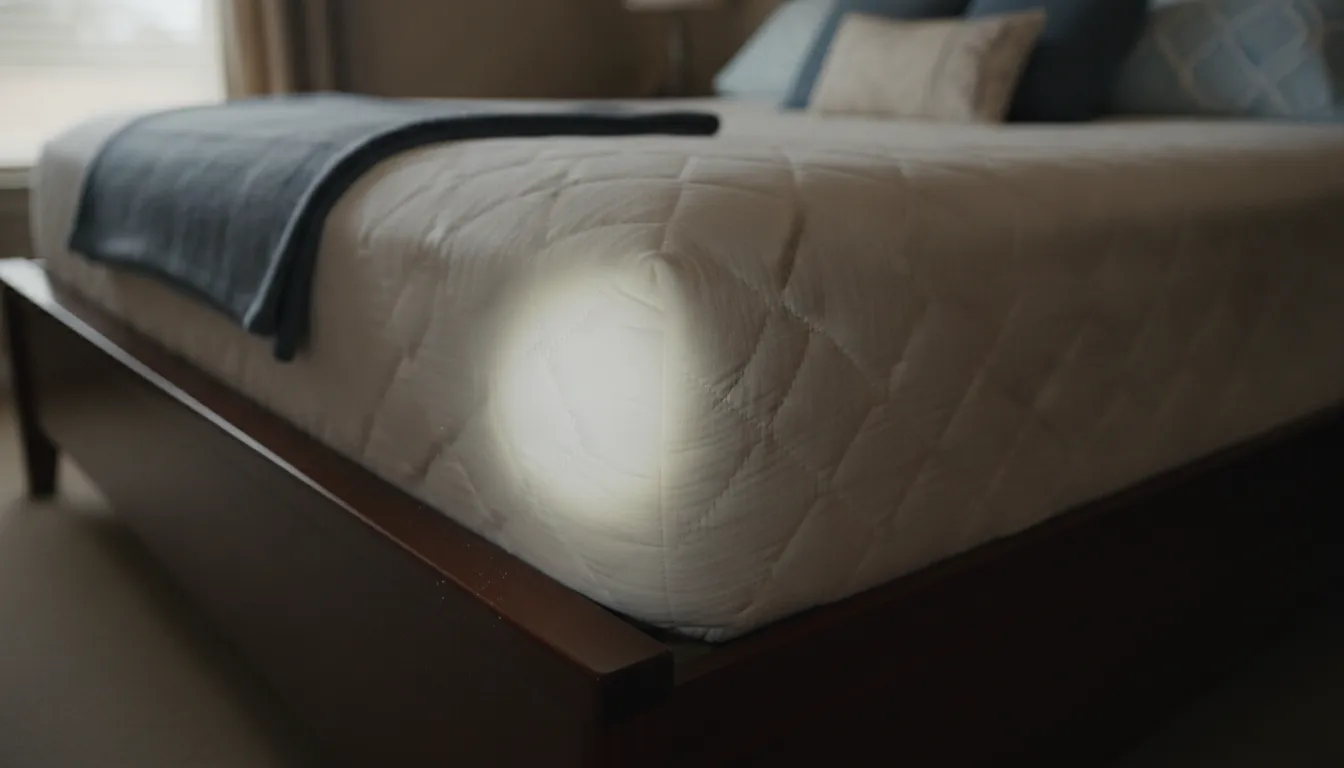
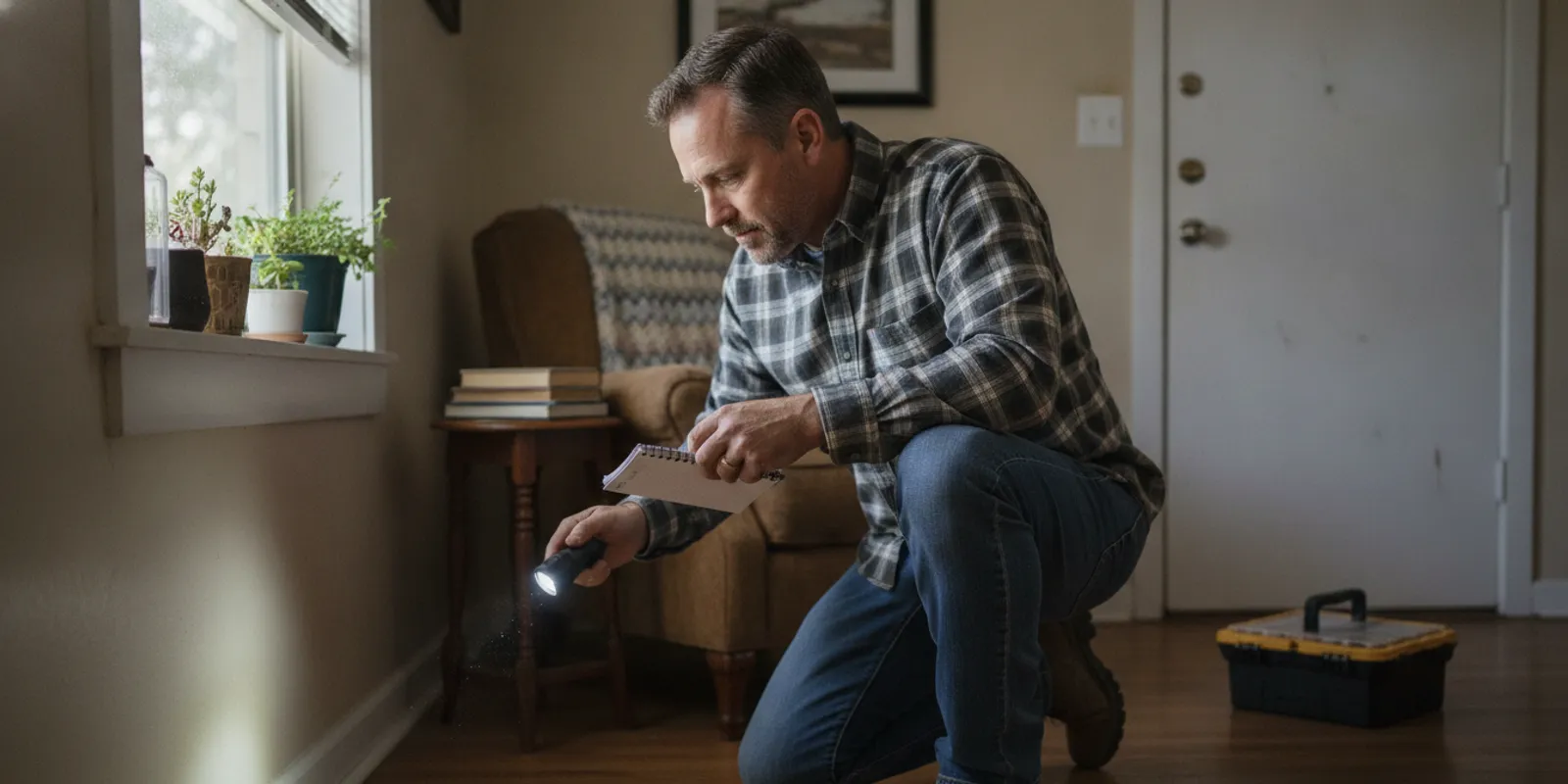
Begin with places that are easy to observe without moving heavy appliances, entering a hazardous space, or disturbing damaged materials. Use a flashlight and look for current dampness, water marks, swollen or softened material, condensation, and persistent musty odors. A stain can remain after an old leak has been repaired, so compare what you see with fresh evidence such as a new drip or a wet surface after rain.
- Under sinks and near plumbing:
Check the cabinet floor, pipe connections, wall openings, and nearby stored items. Notice whether a drip appears only when a fixture is used. Do not reach into a space with electrical equipment or standing water.
- Bathrooms:
Look for water that remains around a tub, shower, toilet, or floor edge after ordinary use. Check whether damp towels or mats are left against walls, and whether condensation repeatedly forms on cool surfaces.
- Laundry areas:
Observe washer connections, drain areas, and the floor around the appliance. A hose or drain issue can be intermittent, so note whether dampness follows a wash cycle rather than guessing from a single inspection.
- Basements, crawl spaces, and utility areas:
If a space is safely accessible, look for condensation, wet stored belongings, or water marks. Do not enter a space that has unsafe access, standing water, exposed wiring, structural damage, or conditions you cannot assess safely.
- Windows, doors, and ceilings:
Notice whether staining or dampness appears after rain, around frames, or beneath a roof edge. Leave roof, ladder, and electrical work to appropriately equipped professionals.
- Exterior foundation edges:
From ground level, observe downspout discharge, pooled water, persistently wet mulch, leaf litter, and items stored directly against the wall. Do not dig near utilities or make drainage changes that send water onto another property.
Check one area at a time and write down what you find. If you are unsure whether a mark is active, photograph it and compare later rather than repeatedly opening walls or removing building materials. A qualified plumber, roofer, or building professional may be needed to find or repair a water problem. Pest inspection is not a substitute for diagnosing plumbing, roof, drainage, or structural issues.
How can you tell whether pest activity is connected to dampness?
Look for a pattern across several observations. Record the date, room, exact location, approximate number of pests, and nearby conditions. Note whether activity appeared after rain, a leak, a fixture being used, or a change in storage. Then see whether the same kind of activity repeats in that place or along a plausible route, such as a baseboard, pipe opening, or door threshold. These details can help distinguish a consistent trend from an isolated visitor.
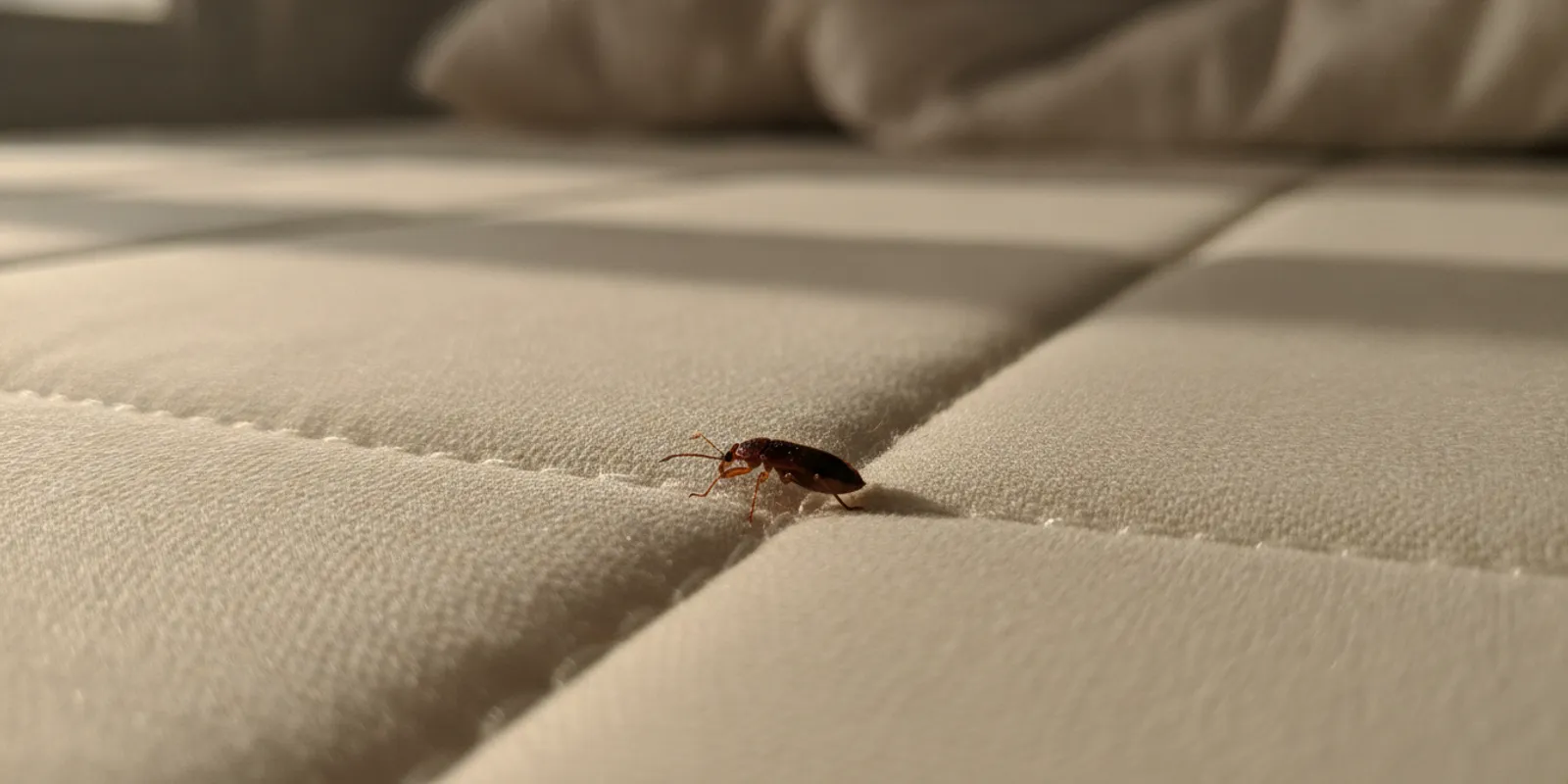
Where safe, take a clear photo before cleaning or moving the item where the pest was found. Put a familiar object nearby for scale, but do not touch an insect you cannot identify. A photo can be more useful than a vague description, yet it may still be insufficient to identify a species. Avoid assuming that every small, fast-moving insect looks the same or responds to the same control method.
Also record what you do not see. If a damp spot is dry now, say so. If you found no water source, avoid presenting a suspected leak as a confirmed cause. Note whether you saw a single insect, repeated activity, damage, droppings, shed material, or more pests in one area than another. Not all signs mean the same thing for every pest, so describe them plainly rather than assigning a cause.
A simple log can look like this:
- Observation one:
One small insect beside the laundry-room wall; floor dry; no obvious leak; photo saved.
- Observation two:
Similar insects seen in the same area after a wash cycle; a damp mark noticed near the washer connection.
- Next step:
Avoid disturbing the connection, ask an appropriate repair professional to assess the moisture, and monitor whether pest activity continues after the water issue is addressed.
This example does not establish a species or a cause. It shows how a timeline can turn “bugs keep appearing” into information another person can evaluate. If activity changes location, include that too: it could matter whether pests appear only near a wet area or also in dry rooms.
Compare two possible patterns without jumping to a conclusion. In one, a homeowner sees an occasional insect near an exterior door after rainy weather, with no damp interior materials and no repeated sightings in one room. That observation may justify checking the door area and noting future sightings, but it does not show that indoor moisture is the source. In another, similar insects appear repeatedly near a cabinet where a fresh plumbing drip is documented. The repeated location and water evidence make it reasonable to report both facts and arrange repair, while still leaving species identification and the relationship between the two observations to be assessed.
Useful notes are specific and neutral: “three small insects near the utility sink on Tuesday; cabinet floor damp after the faucet ran” is more actionable than “the house is full of moisture bugs.” Avoid exaggerating counts or describing a suspected cause as settled. If there are no photographs, write down a physical description and approximate size, and mention what made identification difficult. A clear account helps a professional decide what to inspect and can prevent wasted effort on a pest or moisture source that is not actually present.
Which dampness and shelter conditions are practical to address?
When you identify a safe, obvious source of water, correct that source or arrange the right repair. A pest treatment by itself will not fix a leaking pipe, recurring condensation, or water draining toward a building. Addressing moisture is a sensible part of prevention, but it does not guarantee that all pest activity will stop. If the water source is uncertain or the repair may involve plumbing, roofing, wiring, or structural materials, contact an appropriately qualified professional.
- Stop an accessible source of water.
If a faucet drips or a washer connection appears to leak, arrange repair. For an active or substantial leak, protect people and property first and contact the appropriate repair service; do not attempt work beyond your skills.
- Remove standing water when it is safe.
Dry accessible surfaces and washable items. Do not handle water that may be contaminated or enter a space with electrical, fall, or structural hazards. Follow relevant local guidance for contaminated materials.
- Let wet items dry and reduce contact with damp walls or floors.
Move cardboard, fabric, and other stored goods away from a damp surface where practical. Elevate stored belongings if appropriate and leave enough space to check behind them later.
- Use existing ventilation appropriately.
Ventilate bathrooms and laundry spaces as designed, and avoid blocking vents. If condensation keeps returning despite ordinary ventilation, consider a building or mechanical assessment rather than assuming a fan or open window will solve every cause.
- Observe how outdoor water moves.
Keep gutters and downspouts functioning and direct discharge away from the foundation where practical. Do not alter grading or redirect runoff in a way that creates a problem for a neighbor or violates local requirements.
- Reduce unnecessary shelter at damp edges.
Clear loose leaves and avoid storing objects directly against a persistently wet wall when feasible. Do not remove plants or make extensive landscape changes based solely on one pest sighting.
- Close only suitable gaps.
Once you understand what passes through an opening, small appropriate gaps around trim or pipes may be candidates for repair. Do not seal vents, drainage routes, or openings that serve a required building function.
After a correction, continue recording observations. The useful comparison is not simply “before and after spraying”; it is whether the water condition changed, whether the same pest continues to appear, and whether activity has shifted to a different location. Some materials take time to dry, and some repairs need verification. If dampness returns, treat that as a reason to revisit the source rather than repeatedly covering the symptom.
It helps to separate the investigation into three questions. First, is there water or persistent dampness now? Second, is pest activity repeatedly occurring in that same place or nearby? Third, is there a plausible route between the location and the rest of the home? You may have a clear answer to only one of these. For example, a damp cabinet and a gap around a pipe are observable conditions, while the route a pest used may remain uncertain. Write down the known facts and the open questions separately. That makes it easier for a repair professional or pest professional to focus on what still needs checking.
Choose the next task according to the evidence. A visible plumbing drip calls for attention to the water source; a recurring insect sighting with no visible dampness calls for better documentation and identification, not an invented moisture explanation. A damp wall after storms may require assessment of exterior drainage or the building envelope. If the possible source is behind an appliance or in a crawl space, do not create a safety risk just to complete your own checklist. An observation that a space is inaccessible is useful information to report.
When several observations are involved, keep the sequence simple: note the condition, make one appropriate change, then observe again. If you make many changes at once—move every stored item, seal openings, apply multiple products, and alter drainage—you may not know which condition mattered, and you can accidentally block a vent or drainage route. A measured approach does not mean waiting through an active leak or ignoring a hazard; it means fixing urgent and clear problems promptly while keeping track of what you changed and what happened afterward.
Should you spray pests found near a wet area?
Not automatically. Applying a product without identifying the pest or understanding where it is active may miss the source and add avoidable exposure. A pesticide label gives directions for the product and its permitted use. Do not use an outdoor product indoors, mix products, apply a product contrary to its label, or treat a food-contact surface unless the label allows it. Follow label instructions about people, pets, treated areas, and re-entry.
First, document what you saw, address an obvious and safe moisture source, and consider whether the pest identification is certain. If you decide a pesticide may be appropriate, select a product labeled for the target pest and the specific place of use, then follow its directions exactly. Do not infer that a treatment is organic, chemical-free, or suitable for every household. In particular, a service-specific option should not be generalized to other pest services.
When activity recurs, the pest is uncertain, or the location is difficult to access, an inspection can help evaluate activity and conditions before a response is recommended. Pro Pest describes its residential process as inspection-led: the home is checked for activity, damage, conditions that may support pests, and entry points before treatment is recommended. Residential work may include targeted interior and exterior treatment, with optional exterior follow-up. The details depend on findings; a request for a free, no-obligation inspection is not a confirmed appointment or a fixed-price quote.
To understand the difference between this topic and broader household pest services, review Pro Pest's residential pest-control information. That page is service information, not a diagnosis of dampness or a promise that any particular pest will be found or treated in a particular way.
What should homeowners and renters do when the issue returns?
Homeowners can keep a record of sightings and moisture observations, address repairs through the appropriate trade, and check whether pest activity persists afterward. Avoid opening walls or applying several products at once just to see what happens; doing so can obscure the original evidence and create new risks. If a repair is scheduled, note the date and what was changed. If the source remains unclear, separate the request for a building assessment from the request for a pest inspection.
Renters should document the location, dates, photographs, and suspected water source, then share them with the property manager or landlord through the appropriate channel. Ask who is responsible for plumbing or drainage repairs and what steps are authorized. Do not make changes prohibited by a lease or local rules, and do not apply a treatment that could affect other occupants without checking the relevant instructions and permissions. A brief factual report is more useful than a claim that a particular pest has been caused by a confirmed leak when no assessment has established that connection.
For apartments or other multi-unit buildings, note whether activity appears in one room, more than one unit, or shared spaces. Report observations through the building's process, without entering another person's unit or attempting to treat a shared area yourself. A property manager may need to coordinate maintenance access and a pest assessment. The source could be in an individual unit, a common area, or elsewhere; an observation in one location does not establish the source for the whole building.
Commercial property owners and managers can record affected rooms or units, dates, relevant weather or plumbing events, and maintenance already completed. The pest, building use, and affected area can change what response is appropriate. Keep communications factual and avoid unsupported statements about cause. Pro Pest lists commercial pest-control information separately because a business property may have different needs from a home.
When is an inspection a useful next step?
Consider requesting an inspection when activity repeatedly returns after an obvious water issue has been addressed, when you cannot identify the pest, when you find activity in several places, or when signs appear in an inaccessible area. It may also be appropriate when you are unsure whether the evidence points to an entry route, an indoor source, or a moisture condition. An inspection can help assess observed pest activity and conducive conditions; it does not repair a plumbing leak, roofing defect, drainage issue, or structural damage.
Pro Pest serves residential and commercial customers from its Sealy base. Its service-area information should be checked for the specific property address rather than assuming that every regional target location is covered. Before requesting service, gather the property's ZIP code, property type, pest or sign observed, and whether you are seeking a one-time response or asking about ongoing service. This helps make the inquiry specific without assuming availability, a visit schedule, or a price.
Before a visit or conversation, collect these details:
The pest's appearance, a clear photo, or an explanation that identification is uncertain.
Where and when it appears, including whether sightings follow rain, fixture use, or a known leak.
Any visible dampness, water mark, drainage concern, or repair already completed.
Other evidence observed and any cleaning or treatment tried so far.
Whether the property is a home, rental, apartment, or business, along with the ZIP code and desired service type.
Any access limitations or household considerations that should be discussed before treatment is considered.
Use the Pro Pest About page for company context and Sealy-area contact information. Do not infer service eligibility for a particular address from a regional label alone; confirm coverage for the property. If you want an inspection, the website's request form allows a prospective customer to submit information, but a requested date is not a confirmed appointment.
What questions should you ask about a recommendation?
A useful recommendation should respond to what was observed, not just the word “moisture.” Ask which pest was identified, what evidence supports that identification, and whether the source is certain or only suspected. Ask whether a repair or moisture correction should happen before or alongside pest work. If the water issue requires a plumber or another building professional, clarify that pest service does not replace that repair.
Then make the scope clear. Ask which areas are included, what preparation is needed, what method or product is being recommended, and what label directions apply to occupants, pets, and treated spaces. Ask whether the proposal is for one visit or optional follow-up and how to report continued activity. Do not assume a standard visit cadence, a fixed plan, or a particular product from a general description; service details depend on the finding and must be confirmed with the provider.
Ask what outcomes are realistic and what signs should prompt another call. A reduction in observed activity is not the same as a permanent promise that pests can never return. Keep any written recommendation and follow its preparation and safety directions. If the pest is not identified with confidence, ask what additional evidence could help. If the underlying moisture remains, ask how that affects the suggested pest-control response and which repair remains outside its scope.
Claims about follow-up should be specific to the service and its stated conditions. Pro Pest's documented 30-day no-charge re-treatment or re-service conditions are limited to certain bee, flea, and gopher services; they should not be read as a universal guarantee for moisture-related pest activity. Likewise, an organic option documented for the bed-bug offering should not be assumed to apply to other services. Confirm the terms relevant to the pest and work being discussed.
For general preparation context, Pro Pest has an article about what to expect from a pest inspection. The useful principle here is to describe observations accurately, ask about scope, and distinguish pest assessment from building repair.
How can you avoid common mistakes while investigating?
It is easy to move too quickly from “I saw a bug” to “the leak caused an infestation.” That leap can send effort toward the wrong issue. Keep the following distinctions in mind as you investigate:
- A damp place is not automatically the source.
The insect may be passing through, may have arrived with stored items, or may be entering from outside. Look for repeated evidence before drawing a conclusion.
- A dry surface today does not rule out an intermittent problem.
A leak may occur only when a fixture runs or after rain. Record timing and seek an appropriate repair assessment if the pattern suggests a building issue.
- A stain does not prove that water is still present.
Compare it with fresh dampness, changing material, or a repeated event. Do not remove building materials to investigate without appropriate skills.
- One pesticide application does not identify the underlying cause.
If the source, pest, or access route is still uncertain, use observation and assessment rather than repeatedly switching products.
- Do not seal every opening.
Some openings provide ventilation or drainage. Understand what an opening does before closing it.
- Do not treat every pest as a moisture pest.
Some insects found near wet areas may be there by coincidence or for reasons unrelated to moisture. Identification and context matter.
These cautions are not a reason to ignore a problem. They help keep the investigation proportionate: attend to water that is clearly leaking, preserve useful observations, avoid unsafe work, and seek the appropriate kind of help for the remaining question.
What is the practical way to approach moisture pests at home?
Start by documenting the pest and its location. Check accessible areas for current dampness, a recurring water source, or nearby shelter, and correct only the moisture issue you can address safely. Reduce clutter around damp surfaces, observe whether activity changes, and avoid applying a product before considering identification, label directions, and the source of the problem.
If activity keeps returning, the cause is unclear, or the area is difficult to assess, share your notes with an appropriate professional. A pest inspection can help evaluate activity and conditions, while plumbing, roofing, drainage, and structural concerns may need separate repair expertise. Keeping those questions distinct helps you choose a useful next step without treating a clue as a confirmed diagnosis.
A careful record of what is damp, where pests appear, and what changes over time gives you a clearer basis for deciding what to do next.
Comments