Silverfish Control: How Homeowners Can Reduce Repeat Activity
Silverfish control starts with understanding why these fast-moving insects appear and what conditions help them remain indoors. A single silverfish does not always mean there is a large problem, but repeated sightings can point to moisture, shelter, food sources, or openings that deserve a closer look. This guide explains what homeowners can do first, what changes may reduce repeat activity, and when an inspection can provide a more useful answer than repeated guesswork.
What are silverfish?
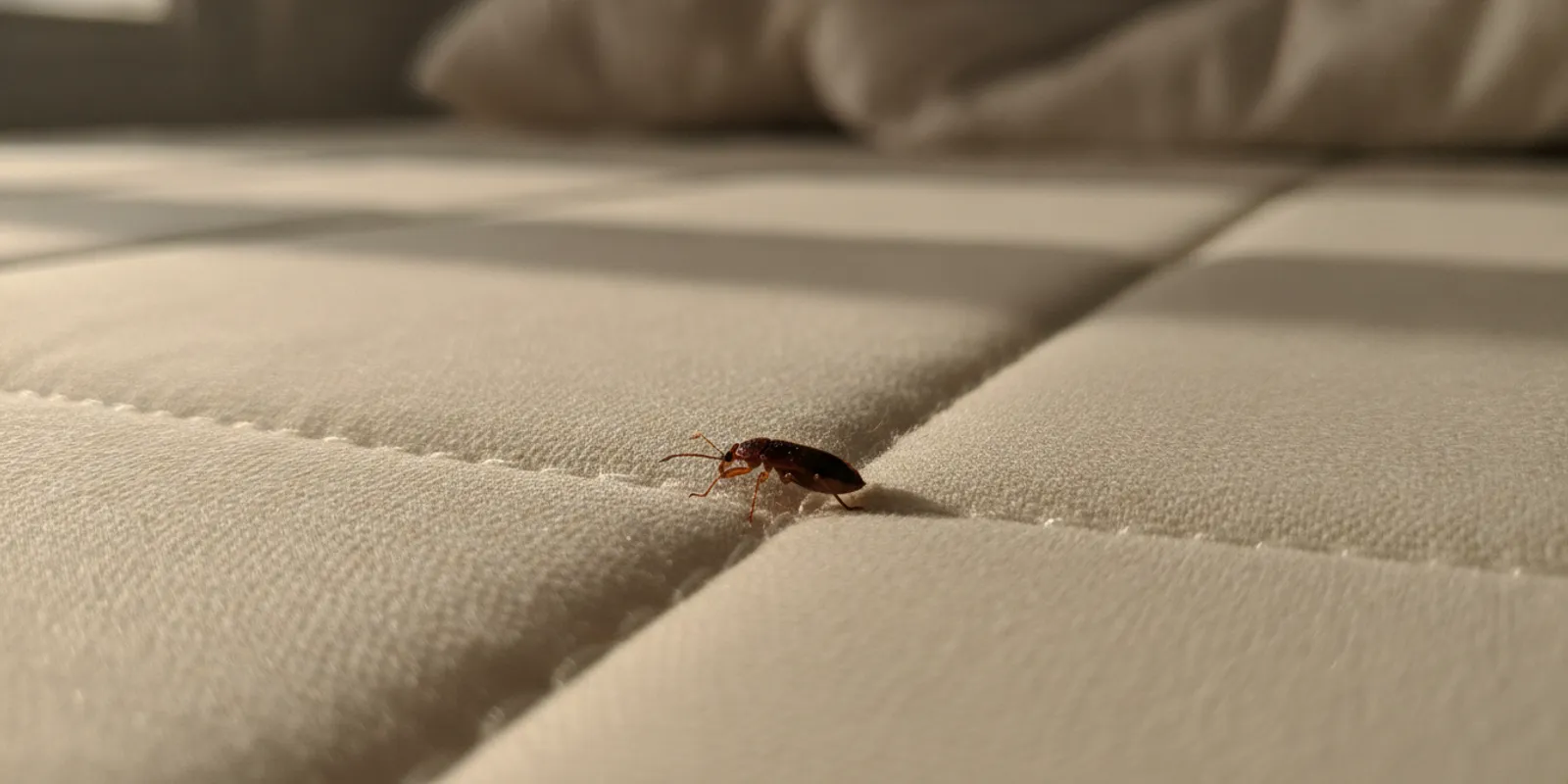
Silverfish are small, wingless insects with a tapered body and a quick, fishlike movement. They are often silver, gray, or pale brown, and they may have long antennae and three tail-like appendages. Their appearance can make them easy to recognize after a close look, but homeowners may see only a blur as one disappears beneath a box, appliance, or baseboard.
Silverfish are usually associated with quiet, protected areas. They can be found in bathrooms, laundry spaces, closets, attics, basements, garages, storage rooms, and other places where humidity or undisturbed materials give them an advantage. They may also move through wall voids, gaps, or stored items and appear in a room that does not seem unusually damp.
Identification matters because not every small, fast insect needs the same response. A photograph, a captured specimen, or careful notes about where and when the insect appeared can help separate silverfish from other household pests. If the insect is difficult to identify, avoid relying on a broad spray simply because it moved quickly.
Why might silverfish appear inside?
Silverfish are drawn to combinations of moisture, shelter, and accessible food. The exact reason can vary from one home to another. A humid bathroom with a plumbing leak presents a different situation from a dry closet containing cardboard boxes, old books, or stored paper. Finding the conditions around the sighting is often more useful than focusing only on the insect.
Could moisture be contributing to the activity?
Moisture is one of the first conditions to check. Look for dripping supply lines, slow leaks beneath sinks, condensation around pipes, damp flooring, wet crawl-space materials, or water entering around a window or roof area. A bathroom fan that does not remove humidity effectively can also leave a room more favorable to insects that prefer protected, humid spaces.
Do not assume that a visible silverfish came from the nearest plumbing fixture. Insects can travel, and a damp condition may be hidden behind a wall, under a cabinet, or in a storage area. The goal of a first check is not to prove the source immediately. It is to identify clues that make a moisture inspection worthwhile.
Can clutter and storage create hiding places?
Cardboard, paper stacks, fabric storage, and boxes placed directly on a floor can create quiet spaces where insects are harder to see. Clutter does not cause every silverfish sighting, and a clean home can still have an insect problem. However, reducing unnecessary storage and leaving some space around walls can make inspection and cleaning easier.
When sorting storage, move items gradually rather than scattering them into another room. Check boxes before relocating them, especially if they have been kept in a garage, attic, shed, or area with changing humidity. Use sealed plastic containers for items that need long-term storage, and keep containers raised where practical so the floor and surrounding edges can be checked.
Do food sources matter?
Silverfish may feed on materials that contain starches, sugars, glues, or other organic components. Paper, book bindings, wallpaper adhesives, cardboard, and some fabrics can be relevant in a household setting. This does not mean every damaged paper item was damaged by silverfish. Look for a pattern instead of treating one torn page or a small mark as proof.
Keep pantry ingredients sealed, clean crumbs and spills, and review old paper goods or rarely moved storage. These steps are sensible household maintenance, but they may not resolve activity if moisture or access points remain. Silverfish control works better when several contributing conditions are considered together.
How can you identify silverfish without overreacting?
Start by recording the details of the sighting. Note the room, approximate time, weather or humidity conditions, and whether the insect was near a sink, drain, box, bookcase, window, or exterior wall. If possible, take a clear photograph from above and from the side. A phone photo may not show every identifying feature, but it can still help with a later discussion.
Look for a small, tapered body rather than a round or strongly segmented shape.
Note whether the insect moved quickly and smoothly when disturbed.
Check for long antennae and three rear appendages.
Record whether you saw one insect or several in the same area.
Look for shed skins, tiny stains, or damage near stored paper and fabric, without assuming that every mark came from silverfish.
Do not handle an unknown insect with bare hands if you are uncertain what it is. A piece of clear tape, a container, or a photograph can preserve useful information without requiring direct contact. If there is a concern about bites, a different insect, or a health issue, seek appropriate medical or professional advice rather than using a pest label as a diagnosis.
For a broader look at household pest identification and prevention, you can review Pro Pest's pest control tips and guides. The goal is to compare observations carefully, not to label every small insect from a single image.
What should you do first when you see silverfish?
A practical first response is a short inspection and cleanup sequence. The steps below are intended to help you learn more about the conditions in the area. They are not a substitute for a professional assessment when sightings continue or the source is hidden.
- Write down the location.
Record the exact room and the surface where the insect was seen. Include nearby cabinets, closets, boxes, plumbing, and exterior walls.
- Check for dampness.
Look under sinks, around toilets, near water heaters, beside washing machines, and along baseboards. Do not remove wall materials or enter unsafe areas to search for a leak.
- Improve ordinary ventilation.
Run a working exhaust fan during and after bathing, open a door when appropriate, and allow damp materials to dry. A fan does not correct a plumbing or structural leak, so arrange repairs when needed.
- Reduce accessible storage.
Remove unnecessary cardboard and paper from damp or crowded areas. Leave room to inspect along walls and under shelving.
- Clean without spreading the issue.
Vacuum visible insects, skins, dust, and debris from edges and cracks when it is safe to do so. Empty the vacuum according to its instructions.
- Check for entry points.
Look at gaps around pipes, doors, windows, baseboards, and utility penetrations. Repair or seal openings only when the work is suitable for the material and location.
- Monitor the pattern.
Record new sightings for several days. A pattern by room, time, or weather can help identify where further attention is needed.
These actions are deliberately modest. They can reduce shelter and improve visibility, but they do not guarantee that silverfish will disappear. If the insects are entering from an inaccessible space, if moisture persists, or if several rooms are involved, more investigation may be needed.
Can moisture reduction solve silverfish activity?
Moisture reduction can be an important part of silverfish control, especially when dampness is present. It is best viewed as source management rather than a complete treatment by itself. Drying a bathroom floor may help with that day's conditions, but it will not correct a slow leak under a cabinet. Likewise, opening a closet door may improve airflow while leaving a damp wall or roof issue untouched.
Begin with causes that are easy to verify. Repair leaking faucets, replace damaged seals where appropriate, improve ventilation, and move stored items away from damp walls. If you see staining, soft materials, mold-like growth, or recurring condensation, consider whether a plumber, roofer, contractor, or other qualified professional should evaluate the building condition.
Oxford City Council's silverfish pest-control advice also points homeowners toward checking dampness for small numbers and considering suitable control measures for larger infestations. The advice is general and comes from a different location, so it does not replace an assessment of a Sealy-area home. It supports the practical principle that the environment around the insect matters.
What household changes may reduce repeat activity?
Once you have identified the room, make changes that address the conditions you actually observed. A long list of random actions can make it difficult to tell what helped. Consider choosing two or three measurable changes, then continue observing.
Make damp areas easier to inspect
Keep the area under sinks accessible. Avoid storing paper products directly beside plumbing. Wipe condensation when it appears and watch whether it returns. If a room remains humid despite normal ventilation, the building or ventilation system may need attention beyond routine cleaning.
Organize paper and fabric storage
Use sealed containers for papers, photographs, and fabrics that are rarely used. Keep containers off the floor when possible, and avoid packing them tightly against exterior walls. Before storing items, make sure they are dry. A sealed container can protect contents, but it can also preserve moisture if damp items are placed inside.
Close practical gaps
Door sweeps, window screens, and intact seals can reduce opportunities for many insects to enter. Inspect the transition between floors and walls, around utility lines, and at doors leading to garages or outdoor areas. Do not seal a location if doing so could trap water, interfere with ventilation, or damage a needed access point.
Keep outdoor conditions from favoring indoor activity
Move damp debris, wet cardboard, and unnecessary material away from exterior walls. Correct standing water and drainage problems that affect the foundation area. Trim vegetation only when it is appropriate for the property and does not create a new maintenance issue. These actions are general exterior upkeep, not proof that silverfish are coming from outdoors.
Should you use a spray or dust for silverfish?
Choosing a product without identifying the insect and the source can lead to wasted effort or an unsafe application. A product label explains where a product may be used, which pests it is intended to control, how much to apply, and what precautions are required. Read and follow the label every time. Never apply a product to a location, surface, person, animal, food area, or container when the label does not allow it.
Spraying the insect you can see may provide a temporary result while leaving hidden activity untouched. It can also drive an insect into a less visible area or add chemical exposure without solving the moisture or access issue. Avoid combining products, increasing the dose, or using outdoor products indoors. Keep children and pets away as required by the label, and store products securely.
Some homeowners use traps or monitoring cards to learn whether activity continues. Monitoring can be useful when placed safely and checked regularly, but it should not be treated as a complete answer. A trap that catches one insect confirms activity at that location; it does not identify every source or show how far the issue extends.
If you are unsure which product is appropriate, cannot identify the insect, or have concerns about indoor application, ask a qualified pest professional for guidance. A careful inspection is generally more informative than applying several unrelated products in quick succession.
When does repeated activity justify an inspection?
There is no single sighting count that determines when a homeowner must request help. The decision depends on the pattern and the conditions. An inspection may be reasonable when silverfish continue to appear after moisture and storage issues have been addressed, when sightings occur in multiple rooms, or when you cannot safely inspect likely hiding places.
Consider requesting an inspection if:
You see silverfish repeatedly over several days or weeks.
Activity is present in bathrooms, closets, storage areas, or other separate rooms.
You find shed skins, recurring damage, or insects emerging from a wall, ceiling, floor, or cabinet gap.
A leak, damp crawl space, roof issue, or condensation problem may be involved.
You are not certain the insect is a silverfish.
You have tried reasonable cleanup and moisture reduction but the pattern continues.
You do not want to choose or apply a pesticide without professional input.
An inspection should answer practical questions: Where is activity most likely concentrated? What conditions may be supporting it? Are there accessible entry points or harborages? Which changes should happen first? What treatment, if any, is appropriate for the identified pest and location?
Pro Pest describes its residential process as an inspection of interior and exterior areas for activity, damage, conditions that may support pests, and entry points, followed by treatment of relevant zones when appropriate. You can read more about Pro Pest services and use the residential pest-control information to understand the available inspection-led approach. Service details and property conditions should be confirmed directly for your home.
How can you prepare for a silverfish inspection?
A little preparation can make an inspection more useful. Do not apply a new product immediately before the visit if doing so could remove evidence or make the area unsafe to enter. Instead, preserve useful information and make the suspected areas accessible.
Write down the dates, rooms, and approximate number of sightings.
Save photographs or a safely contained specimen if one is available.
Identify recent leaks, repairs, flooding, condensation, or changes in ventilation.
Point out stored books, boxes, fabrics, or other materials near the activity.
Clear a safe path to cabinets, closets, utility spaces, and baseboards.
List any products already used and follow their label instructions for storage and disposal.
Tell the inspector about children, pets, sensitive occupants, or areas that should not receive an application.
Do not dismantle electrical equipment, remove wall panels, enter a crawl space without the right precautions, or move heavy appliances solely to search for an insect. A safe, limited inspection is preferable to creating a new household hazard.
What can a professional inspection clarify?
A professional inspection can provide a structured review of conditions that are easy to miss during a quick search. The inspector may examine interior and exterior areas, review signs of activity, look at likely entry points, and discuss conditions that may support pests. The result should be a clearer decision about whether to monitor, correct a building condition, use a targeted treatment, or combine more than one step.
It is reasonable to ask what the inspection includes and what it does not. Ask whether the visit covers the rooms where activity was seen, whether follow-up is recommended, what preparation is required, and what steps are intended to address the source. If a treatment is proposed, ask which pest was identified, where the product will be applied, what residents must do before and after the application, and how future activity will be evaluated.
No inspection can promise that an insect will never appear again. Buildings change, weather changes, doors open, materials move, and moisture conditions can return. A useful plan explains how to reduce favorable conditions and how to respond if sightings continue.
What should renters and property managers do?
Renters should document sightings and notify the property owner or manager according to the lease or building procedure, especially when a leak, damaged seal, ventilation issue, or structural condition may be involved. Keep copies of messages and note when the issue was reported. Avoid making permanent repairs or applying pesticides in shared areas without authorization.
Property managers can look for patterns across units, storage rooms, laundry spaces, mechanical rooms, and common areas. A report from one unit may be connected to a building condition, but it should not be assumed to represent the entire property without inspection. Coordinating access, maintenance, housekeeping, and pest-control observations can prevent isolated treatments from overlooking a recurring source.
Businesses should also consider how stored paper, packaging, moisture, and service areas affect inspection access. Food-handling locations may have additional sanitation and application requirements. Any commercial plan should be based on the property, the identified pest, applicable label directions, and the business's operating needs.
What mistakes can make silverfish activity harder to evaluate?
Several common reactions create confusion rather than control. Avoid these approaches:
- Assuming one insect proves an infestation.
One sighting deserves attention, but it does not reveal the size or source of the issue.
- Assuming one insect is harmless and ignoring a pattern.
Repeated activity can indicate conditions that should be corrected.
- Spraying every room immediately.
Broad applications may be unnecessary and can obscure where activity began.
- Using a product without reading the label.
Indoor and outdoor products are not interchangeable, and more product is not automatically more effective.
- Cleaning without checking for leaks.
Vacuuming can remove visible evidence while the condition supporting activity remains.
- Moving boxes from one damp area to another.
Relocation can spread storage-related problems and make the original source harder to identify.
- Sealing every gap without checking for water.
Improper sealing can trap moisture or interfere with necessary ventilation.
- Expecting a permanent result from a one-time action.
Monitoring and correction may be needed when conditions change or activity is widespread.
How should you decide on the next step?
Use the simplest explanation that fits the evidence, then test it with a safe, observable change. If you saw one silverfish beside a damp sink, check the plumbing and ventilation. If you saw several around stored boxes, reorganize the storage and inspect the surrounding area. If sightings continue in different rooms or emerge from inaccessible spaces, stop guessing and request an inspection.
The best silverfish control plan is usually a combination of identification, moisture management, storage changes, exclusion where appropriate, and a targeted response when evidence supports one. The right order matters: a treatment may have limited value if a leak or hidden access point is left unresolved.
How can you tell whether the problem is improving?
Improvement should be judged by a pattern, not by whether you happen to see an insect on one particular day. Keep a simple log after making changes. Record the date, room, approximate location, and whether the insect was alive, dead, or found in a monitoring device. Also note whether the room had a leak, unusual humidity, moved storage, or recent treatment.
Look for several kinds of change. Fewer sightings in the original area may suggest that a condition was corrected, while new activity in a different room may indicate movement or a separate source. A continued lack of sightings is encouraging, but it is not proof that every hidden insect is gone. Continue ordinary maintenance and check vulnerable areas periodically, especially after plumbing work, heavy rain, or changes in storage.
Photographs can help you compare conditions over time. Take them from roughly the same position when possible, and avoid disturbing a suspected area before documenting it. If you are working with a pest professional, share the log rather than relying on memory. Dates and locations can help the inspector decide where to focus and whether a follow-up visit is useful.
What signs suggest a moisture issue still needs attention?
Recurring condensation, damp odors, staining, peeling material, soft wood, or a surface that remains wet after normal use can all justify a closer building-maintenance review. These signs do not prove that silverfish caused the condition. They show that the environment may need attention independently of the insect sighting.
When the likely source is outside ordinary household maintenance, involve the appropriate professional. A pest inspector can evaluate pest-related conditions, while a plumber, roofer, contractor, or ventilation professional may be needed to correct a building defect. Coordinating those roles can be more effective than asking a pesticide application to compensate for an unresolved leak.
What details should you ask about a proposed treatment?
Ask for a plain explanation of the identified pest, the areas to be treated, and the purpose of the treatment. You can also ask what residents should move or cover, how long people and pets should stay away, whether ventilation is needed, and what follow-up observation is recommended. The exact answers depend on the product, application site, property, and label directions.
Ask whether the proposal is intended to supplement moisture correction, storage changes, or exclusion work. A treatment plan is easier to evaluate when it separates actions that address the insect from actions that address the building. Request written instructions when available, and follow the product label and any professional directions provided.
Can silverfish return after an inspection or treatment?
They can. A home remains exposed to changing humidity, new stored materials, open doors, plumbing problems, and other conditions that can alter pest activity. A return sighting does not automatically show that an earlier inspection was useless or that the same source remains. Record where the new activity occurred and compare it with the original findings.
Contact the provider if the agreed follow-up process calls for an update, and report changes in the home that may affect the situation. Avoid adding a new pesticide before asking what information would be most helpful. A careful follow-up can distinguish continuing activity from a new condition.
Frequently asked questions about silverfish control
Are silverfish dangerous to people?
Silverfish are generally considered nuisance household insects rather than insects that attack people. Even so, an unknown insect should be identified before you decide how to respond. If you have a health concern, seek medical guidance instead of assuming the insect caused a symptom.
Does seeing a silverfish mean there are many more?
Not necessarily. One sighting does not establish the size of a population. Repeated sightings, activity in multiple rooms, shed skins, or evidence near stored materials provide stronger reasons to investigate the surrounding conditions.
Can cleaning alone eliminate silverfish?
Cleaning and reducing clutter can remove hiding places and improve visibility, but cleaning alone may not resolve activity when moisture, leaks, or openings remain. Treat cleaning as one part of a broader inspection and prevention plan.
Should I use a fogger for silverfish?
A fogger is not a default solution for an unidentified or localized household insect. Read product labels carefully and consider the risks to people, pets, food, surfaces, and ventilation. A professional can help determine whether a targeted treatment is appropriate.
When should I call Pro Pest?
Consider contacting Pro Pest when sightings repeat, activity appears in several areas, the source is hidden, or you want help evaluating interior and exterior conditions. Share the rooms involved, timing, photographs, moisture clues, and any products already used so the inspection request is specific.
Silverfish control is most effective when homeowners connect the sighting to the conditions around it, correct moisture and storage issues where possible, and seek an inspection when the pattern does not improve. Careful observation gives you a safer and more useful next step than repeated, unfocused treatment.

Comments