What Happens at a Free Pest Control Inspection, and How to Prepare for It
If you have seen a pest, found possible damage, or want to understand how pests may be getting inside. A pest control inspection can help you decide what to do next. At Pro Pest, the process starts by looking at the property and the conditions around it before recommending a targeted treatment. The free, no-obligation inspection is something you can request; submitting a request does not itself confirm an appointment or provide a fixed-price quote.
What does a pest control inspection help you decide?
An inspection is a way to gather information about a pest concern at a particular property. It can help clarify what activity is visible, where it may be occurring, and whether the building or its surroundings have conditions that could contribute to pest activity. That information gives the technician a basis for discussing possible next steps.
It is not the same as a guaranteed diagnosis from a brief description, and it does not mean that a treatment will automatically be needed. A sighting may be isolated, signs may be difficult to interpret, or the concern may call for a closer look. The point of inspecting first is to connect any recommendation to what is found, rather than assume that every home or business has the same issue.
For a homeowner, the visit can help answer practical questions: What did I see? Is there evidence of activity in more than one place? Could a gap or other entry point be relevant? Is there damage or a condition worth addressing? For a business or property operator, the inspection can also help describe the location and scope of the concern so that the next conversation is more specific.
Pro Pest describes its residential process as an inspection of the inside and outside of the home before the first treatment. The inspection looks for pest activity, damage, entry points, and conducive conditions. What is relevant depends on the property, the pest concern, and what the technician can observe. The inspection is a starting point for a recommendation, not a promise that every hidden area can be seen or that pests will never return.
That distinction matters when you are deciding whether to request a visit. You do not need to know the exact pest or prove that there is a widespread problem. You do need a concern you want evaluated and enough information to identify the property and explain what prompted you to reach out. The inspection can add context to your observations; it should not be treated as a guarantee of a particular finding or outcome. An inspect-first approach also aligns with the U.S. Environmental Protection Agency's integrated pest management principles, which use information about pests and their environment to guide control methods.
What will the technician check inside the property?
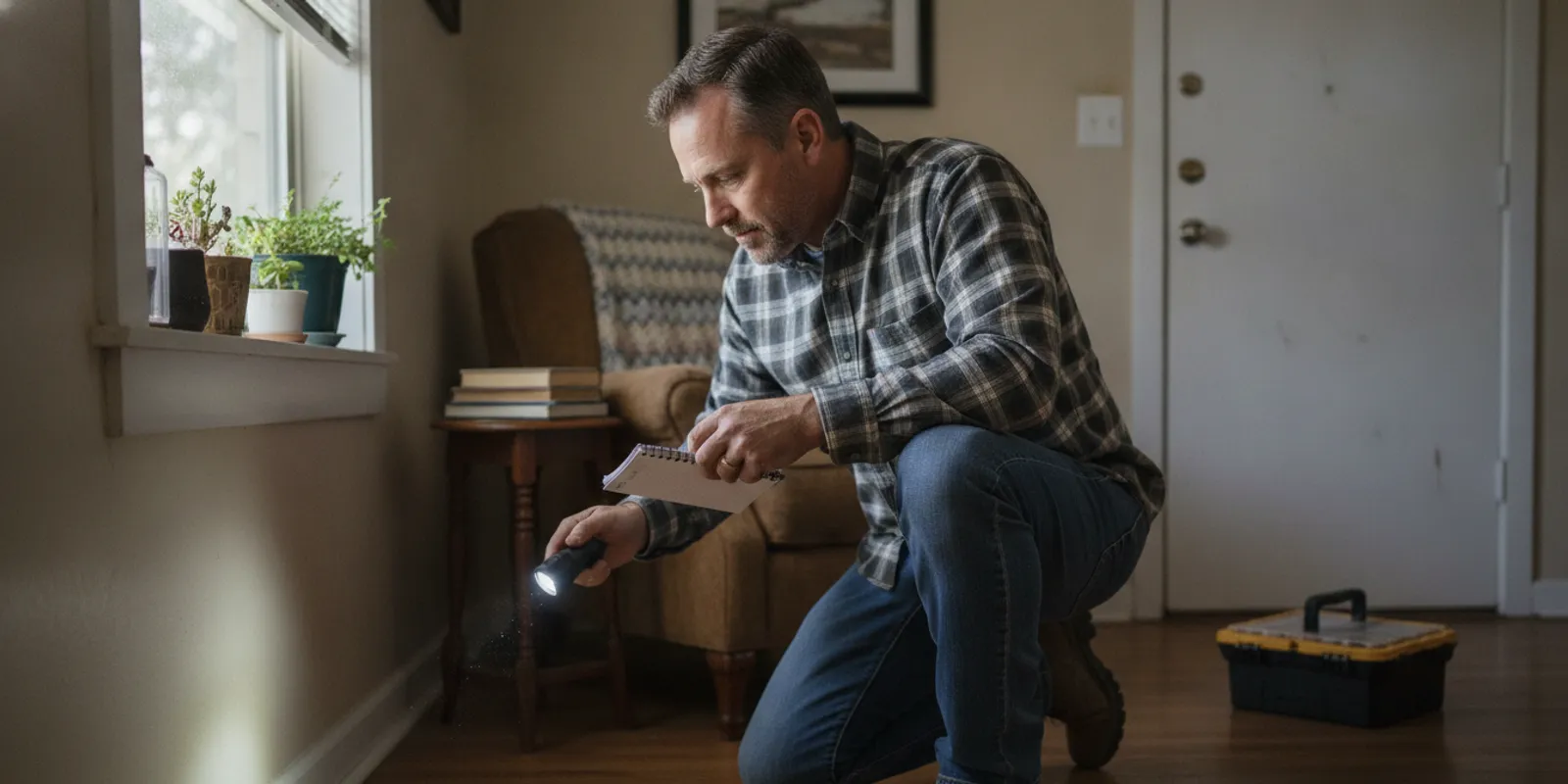
An interior inspection focuses on areas that may help explain the reported concern. The technician may look for signs of activity, visible damage, and places where pests could enter or find conditions that support them. The exact areas to review depend on what you reported and what the inspection reveals. It is useful to point out the places that prompted your request, even if you are not sure what the evidence means.
For example, a homeowner might mention a pest seen in a particular room, repeated sightings near a doorway, or a mark that could be damage. Those details give the technician a starting point for looking at the relevant area and considering whether there are related signs nearby. Do not feel you need to identify the pest yourself. A clear account of what you observed is more useful than a confident guess that might point attention in the wrong direction.
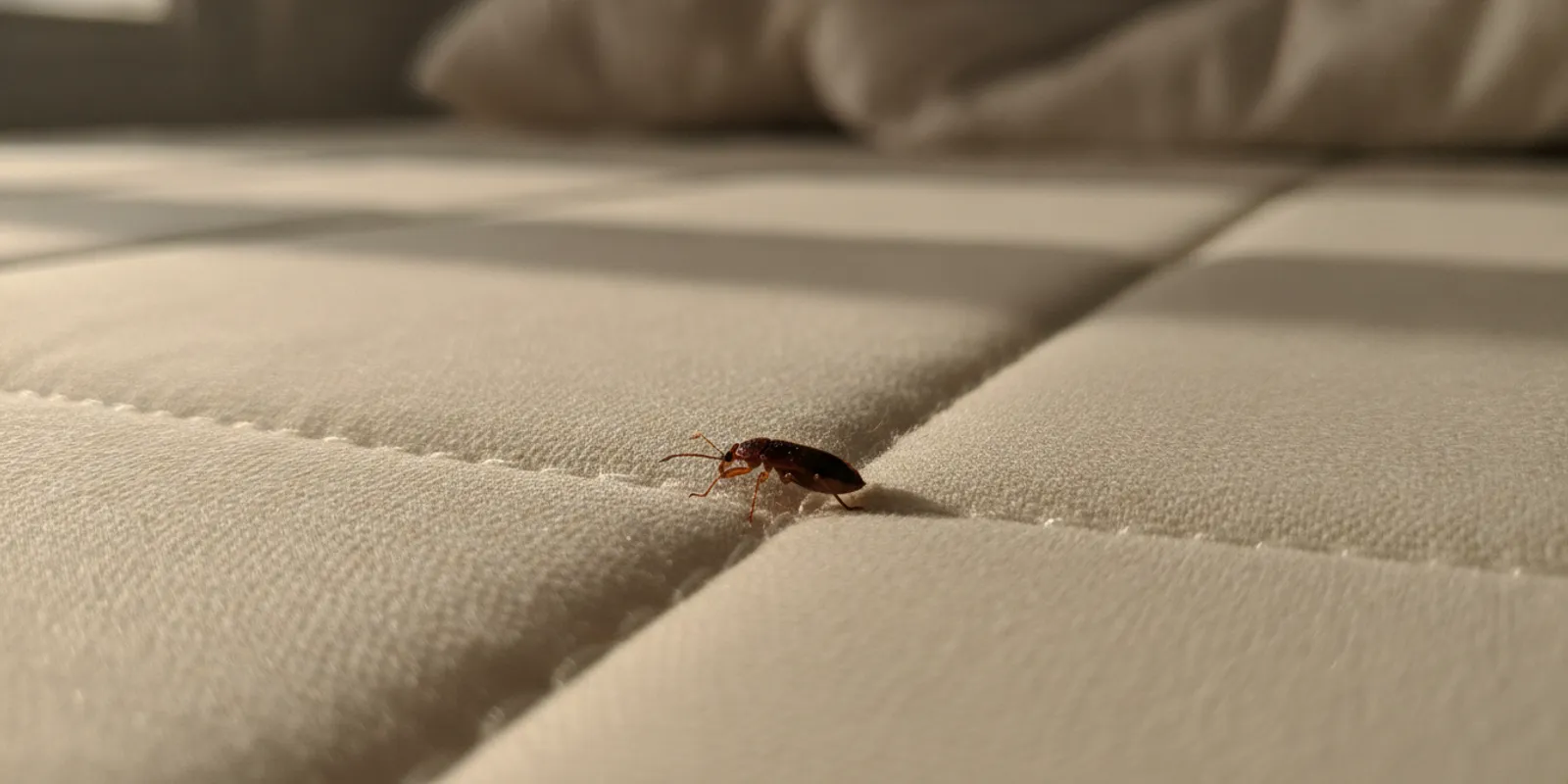
Visible evidence can vary. You might have seen an insect, noticed a recurring pattern, or found something you cannot identify. A single observation does not always establish where activity began or how extensive it is. An inspection can put observations in context, but the technician's findings will be limited to what can be assessed during that visit.
It is reasonable to ask the technician to explain what they are looking at and how an observation relates to the concern you described. If an area cannot be assessed or the available evidence is uncertain, ask what is known, what remains unclear, and whether any additional information would help. These questions help you understand the basis for a recommendation without assuming an inspection can reveal everything concealed inside a structure.
Think of the interior review as a guided look at the places that matter to your concern. Rather than a promise that every room, wall, or concealed space will receive the same level of examination. If you noticed activity in two areas, name both. If you only saw something once, say that too. Accurate scope helps the technician interpret the observations without overstating what a single visit can establish.
Why does the exterior matter?
Inspection area. | What may be considered. | What to share. |
Inside. | Activity, visible damage, and areas tied to the concern. | Room, location, timing, and what you observed. |
Outside. | Entry points, exterior activity, and conducive conditions. | Side of the property, opening, or nearby condition. |
Afterward. | Findings that may inform a targeted recommendation. | Questions about scope, terms, and next steps. |
A pest concern inside a building may have a connection to the outside. That is one reason Pro Pest describes its initial residential inspection as covering both the interior and exterior. The exterior review can include looking for activity, damage, possible entry points, and conditions that may be conducive to pests around the structure.
Entry points matter because a gap or opening may offer a way in. Conditions around a property may also help explain why activity is occurring or where attention should be directed. The inspection is not simply a search for a pest in the room where someone saw it. Looking at both sides of the building can provide a broader picture of the reported concern.
An inspection can identify conditions worth discussing, but it should not be treated as a full building, structural, or home inspection. It is focused on pest concerns and relevant signs or conditions. If the technician observes something that appears to call for another kind of assessment, ask what they observed and which kind of qualified professional may be appropriate. Do not assume a pest inspection includes repairs, construction work, or services outside the pest-control scope.
The exterior and interior observations are most useful when considered together. A single sign outside may not explain an indoor sighting, and an indoor observation may not reveal how activity began. The technician can describe whether the observations appear connected, whether the evidence supports a concern, or whether more information would be needed. Ask for that distinction in plain terms.
What happens after the inspection?
Once the inspection is complete, the next step is a conversation about the findings and possible service options. Pro Pest's stated approach is to inspect conditions and activity first, then recommend targeted treatment based on what is found. A recommendation should relate to the particular property and concern, rather than being treated as a standard answer for every caller.
You can ask the technician to distinguish between observed evidence and a possible explanation. For instance, ask which signs were directly seen, which areas were checked, and what facts support the suggested next step. If a treatment is proposed, ask what pest concern it is intended to address and what the service would involve. If you are not ready to decide, ask whether you can review the recommendation and follow up later.
The inspection request is described as free and no-obligation, but a request is not a confirmed appointment. It is also not a fixed-price quote. Do not assume that any service following an inspection has a particular price, contract, or visit schedule. Ask for the scope and terms of any proposed service before authorizing it, and make sure the information matches the property and concern you discussed.
When reviewing a proposed service, useful questions include whether it addresses the specific concern found. What areas or conditions it covers, whether follow-up is included, and what the price and terms are. The answer may depend on the findings and the service being considered. So do not rely on a general description as though it were a quote for your property. Request the details that apply to your situation before agreeing to any work.
Homeowners looking for more information on the residential offering can review Pro Pest's residential pest-control page. For a general overview of the company's service categories, see the pest control services page. Those pages offer context, while the inspection is where a property-specific concern can be discussed.
Should you request the free inspection?
A request may be useful if you have noticed pest activity, possible pest-related damage, a suspected entry point, or a condition you want assessed. It can also make sense when you are not sure how to identify what you saw and would rather have the concern evaluated before deciding on service. The inspection is an opportunity to share what is happening and learn what the technician observes.
Consider requesting an inspection when the concern is specific enough to describe, even if you are unsure what it means. Perhaps sightings have repeated, you have found a possible sign of damage, or you want help evaluating a location that seems relevant. A request may also help when you are choosing whether to seek service and would like information based on the actual property rather than a general description.
It may be less useful to submit a vague request with no location or description if you can provide a few basic details. You do not need to solve the issue before reaching out, but information such as the property ZIP code. The area of concern, and the type of help you are seeking makes the request easier to understand. For a business, describe the property type and the area where the concern was reported.
Service availability should be confirmed for the property address. Pro Pest identifies itself as a Sealy-based provider serving Sealy and the surrounding area. Do not assume that every address in a broader region is covered based on a general location reference. Include your ZIP code in the request so the company can assess whether the property is within its service area.
The same decision applies to residential and commercial properties, but the details are different. A homeowner can describe the home and where activity has occurred. A commercial property owner or manager can identify the type of property, the location of the concern, and whether the request concerns a particular part of the premises. Keep the descriptions factual and specific; the inspection is meant to help assess the actual property, not a generic example.
Separate the reason for asking from the explanation you suspect. Saying that you found a small insect near the back door yesterday is an observation. Saying that it must be coming through the door is a theory. Both may be worth mentioning, but keeping them separate allows the inspection to test the concern rather than begin with an assumed cause. This distinction is especially useful when there is only one sighting or when you have not identified what you found.
Repeated observations can also be described without overstating them. Note whether you saw activity on separate days, whether the sightings were in the same area, and whether the evidence was visual or something you found afterward. You do not need a detailed log. A rough sequence such as "one sighting near the kitchen window on Monday. Another by the same wall later in the week" can be more useful than a broad statement that pests are throughout the home if you have only seen them in one place.
Consider what decision you want the visit to help you make. Are you trying to understand whether the signs are pest-related? Do you want to know if an opening or condition may be relevant? Are you considering service but want the concern inspected first? Naming that question helps focus the conversation. It does not guarantee the technician can provide a definitive answer. But it gives the inspection a clear purpose and gives you a way to judge whether the explanation addressed your concern.
Different situations call for different context. If you are a homeowner, describe the rooms or exterior areas involved and whether the concern has continued. If you are responsible for a commercial site, state which part of the premises is involved and who has reported the issue. If you are submitting a request for a property you manage but do not occupy. Say what information comes from your own observation and what was reported by someone else. That helps avoid blending firsthand observations with secondhand reports.
As you assess whether to request an inspection, use these questions to organize your thoughts:
What exactly did I see or find, without assigning a cause?
Where was it, and was it observed once or more than once?
What part of the property should the technician know about?
What question do I want the inspection to help answer?
What do I still not know about the pest or the source?
You do not need a perfect answer to every question. Even "I am not sure what this is" is a useful and honest starting point. If your concern involves an immediate health or safety issue, seek appropriate urgent assistance rather than treating a routine inspection request as an emergency response. For ordinary pest questions, a specific description and a property ZIP code can help Pro Pest decide how to follow up.
A free, no-obligation inspection may also be useful if you want to hear the findings before deciding whether to proceed with a paid service. It does not obligate you to accept a recommendation. At the same time, submitting the form does not promise an appointment, establish the service area, or define the scope and cost of any later work. Treat it as a first step in a conversation, not a booking or quote.
What should you have ready when requesting an inspection?
You do not need to diagnose the pest or prepare a treatment plan. To request an inspection, focus on information that helps Pro Pest understand where the property is and what prompted you to reach out. The free inspection form asks for a ZIP code, service of interest, and preferred date, along with contact details and a comments field.
- Property ZIP code:
This helps the company assess the location. If you manage more than one property, give the ZIP code for the site you want inspected.
- Service or concern:
Select the service of interest if you know it. If you do not know what pest you saw, describe the observation in plain language instead of guessing.
- Preferred date:
Provide a date that would work for you. Treat it as a preference, not a confirmed appointment; wait for confirmation from the company.
- Where and when:
Note the room, area, or side of the property where you noticed activity and when you first saw it. Mention whether you have noticed it more than once.
- What you observed:
Describe what you actually saw or found, including whether it was a pest, possible damage, or an opening you are concerned about. Separate your observation from your theory about its cause.
- Property type:
Say whether the request is for a residence or a commercial property, and identify the relevant area of the site.
- Useful context:
Add details that help explain the concern, such as whether sightings are limited to one location or have been reported in other areas. Avoid including sensitive personal information that is not needed for the request.
Those details do not need to be lengthy. A short note can follow a simple pattern: what you noticed, where you noticed it, when it happened, and what you would like assessed. For example, you might say that you saw an unidentified insect near a particular door on two occasions and would like an inspection. That conveys useful context without turning your observation into a conclusion about the pest or its source.
If you manage a commercial property, identify the site and the area the request concerns. If several people have reported activity, say that reports came from more than one area and describe the locations as accurately as you can. Avoid combining separate observations into one assumed cause. Clear notes help the company understand the request and help you keep the inspection focused on the concern you want discussed.
If you have a photo that clearly shows what prompted the request. You can mention that you have one and ask how the company would like you to share it. Do not handle an unknown pest or put yourself at risk to get a picture. A written description is enough to start the conversation. If you are uncertain whether a sign matters, say so; an honest description is more helpful than trying to make it fit a particular pest category.
Before submitting the form, check that your contact details are correct and that the ZIP code applies to the property, not a different mailing address. If the request is for a managed or commercial site, include enough context for the company to understand which location you mean. These small checks can reduce avoidable confusion if the company needs to follow up about the request.
When submitting a date, remember that the form is a request, not a booking confirmation. Wait for the company to confirm the appointment details. If you need to change a preferred date or clarify the property's location, follow up with the company using its current contact options. Pro Pest's inspection request page is available at the free inspection form.
How can you make the inspection conversation useful?
A productive conversation starts with a short, accurate account. You can explain what prompted the request, where you noticed it, and whether it has happened once or repeatedly. Then let the technician inspect and share what they found. This keeps your concern visible without forcing an early conclusion about the source.
Useful questions include: "What did you observe during the inspection?" Ask which areas showed signs related to your concern. You can also ask whether the technician found a possible entry point or conducive condition. Finally, ask what next step is proposed based on those findings. If you are given a recommendation. You can ask what it covers and what it does not cover. You are entitled to understand the proposal before making a decision.
You can also ask the technician to walk through the reasoning in the order it developed: the concern you reported. The locations checked, the signs observed, and the recommendation. If the answer includes a possibility rather than a confirmed finding, ask what wording best reflects the level of certainty. This helps you leave the conversation with a precise account rather than a broader claim than the evidence supports.
If the inspection does not find clear evidence, ask what that means and whether the information you provided suggests a sensible way to monitor or revisit the concern. The absence of visible evidence during one visit does not necessarily prove that no pest was ever present. At the same time, an uncertain finding should not be turned into a claim of confirmed activity. Ask the technician to explain the limits of what could be established.
It may be helpful to take a few notes during or immediately after the discussion. Record the areas that were reviewed, the observations the technician described, any remaining questions, and the next step you are considering. This is especially useful if you are comparing information for more than one property or need to share the explanation with another decision-maker. Keep the notes factual and separate what you personally observed from what the technician reported.
For commercial properties, coordinate access and communication with the person responsible for the site. Make sure the technician knows which part of the property is involved and who can answer questions about the reported observations. Keep the discussion focused on that location and the service being requested. Avoid assuming that a residential inspection process automatically includes commercial reporting, service schedules, or contract terms.
For a business, it can also help to identify one point of contact for the inspection request. That person can explain which area is involved and pass the findings to the appropriate owner or manager. If you need a written proposal, a report, a service schedule, or another specific deliverable, ask whether it is available rather than assuming that the inspection includes it. The relevant scope should be confirmed directly.
Homeowners can use the same approach without turning the visit into a formal checklist. Point out the locations that caused concern, ask what the technician observed, and make sure you understand what any recommendation does and does not address. If you want time to consider the information, say so. A no-obligation request is an opportunity to gather information, not a requirement to make an immediate decision.
What should you not assume from a free inspection?
Free describes the inspection offer; it does not mean every possible service is free. The inspection is not a promise of treatment at no cost, a price quote for every possible finding. Or a guarantee that every pest or hidden condition will be identified. Any proposed work, its price, and its terms should be discussed separately before you authorize service.
Do not assume that requesting a visit means an appointment has been accepted. A preferred date on a form communicates when you would like service; the company must confirm scheduling. Likewise, do not assume that a recommendation for one property applies to a different home, business, pest concern, or ZIP code.
Do not assume that the inspection includes repairs or a broad assessment of building condition. Its purpose is to inspect for pest activity, damage, entry points, and conducive conditions as they relate to pest control. If a question falls outside that scope, ask for clarification rather than treating the inspection as a substitute for a different professional evaluation.
Do not assume the technician will be able to identify every source from a single visible sign. Some observations may be inconclusive, inaccessible, or unrelated to the concern. A careful explanation should distinguish evidence from interpretation and acknowledge what could not be established. If you are unsure whether the conclusion is definite or tentative, ask directly.
Finally, avoid treating a brief observation as proof of the pest's identity, source, or extent. Your own notes are a useful starting point, and the technician's inspection can add context, but the conclusions should remain tied to the evidence. A clear distinction between what was seen and what is suspected helps everyone discuss appropriate next steps.
It is also best not to assume that an inspection guarantees a particular result or prevents future activity. The visit is an assessment of observable conditions at a point in time. Its purpose is to inform a discussion about the concern and possible next steps. Not to promise that no pest will ever return or that all conditions can be corrected during the inspection itself.
Frequently asked questions
Is the Pro Pest inspection free?
Pro Pest invites customers to request a free, no-obligation inspection. The offer is for the inspection request; it does not establish that any later treatment is free or set the price of a service.
Does filling out the form confirm my appointment?
No. The form asks for a preferred date, but submitting it is a request rather than a confirmed appointment. Wait for Pro Pest to confirm scheduling.
Will the technician inspect both inside and outside?
Pro Pest describes its initial residential inspection as covering the interior and exterior before the first treatment. The technician looks for activity, damage, entry points, and conducive conditions relevant to the property and concern.
Do I need to know which pest I have?
No. Describe what you saw, where you saw it, and whether it happened more than once. If you do not know what it was, say that rather than guessing.
Does an inspection mean I have to book treatment?
No. The inspection is described as no-obligation. If a service is recommended, ask what it includes and what it costs before deciding whether to proceed.
A pest control inspection is most useful when it connects your specific observations with what a technician can assess at the property. Share the ZIP code, the location of the concern, and what you noticed, then use the findings to decide whether a recommended next step makes sense for you.
Comments