What to Do If You Find Bed Bugs
Finding a bed bug, or a cluster of dark spots along a mattress seam, is the moment most people start searching for a fast fix. What to do if you find bed bugs is simpler than the product aisle suggests, and harder than one afternoon of cleaning. Stay in the same sleeping area, bag what you carry out, and do not fog the room. A single pass will not reach every egg and unfed nymph tucked into a bed frame or furniture joint.
Call (979) 885-6666 to request a free bed bug inspection, or use the quote form.
Pro Pest is a family-operated company based at 200 Meyer St. in Sealy. For bed bugs, the published service is a whole-house liquid treatment. It covers cracks, crevices, furniture, and furniture frames. An organic option is available for this service, and follow-up visits target bugs, nymphs, and eggs. The steps below are what to do before that conversation, not a promise that a store spray will finish the job.
What to do if you find bed bugs in the first hour
A bite is not proof. The CDC's bed bug overview says bites can look like mosquito or flea bites, may show up days later, and sometimes leave no mark at all. Bed bugs are also not known to spread disease to people. Itching and lost sleep are real. A diagnosis from a welt is not.
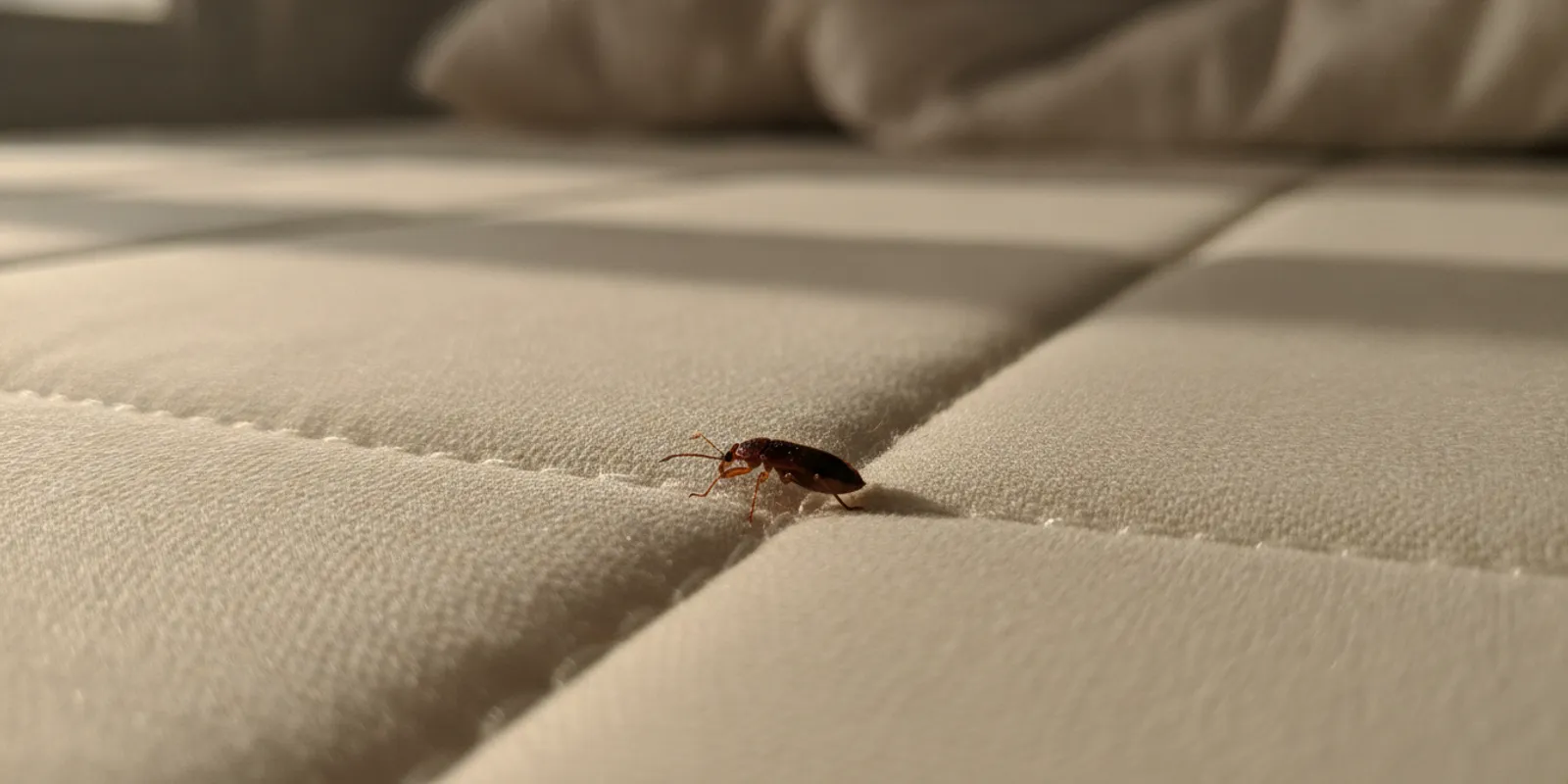
Look for the insect or the evidence it leaves behind. Adults are flat, wingless, and reddish-brown, about the size of an apple seed. Nymphs are smaller and paler. Eggs are tiny and pale, often stuck in seams. Dark fecal spots, shed skins, and a sweet musty odor in a heavily used spot are supporting signs. If you can, slide one insect into a sealed bag or clear container so it can be identified. Do not crush it into the mattress.
Use the bed bug identification guide if you are still unsure what you are looking at. That page covers adults, nymphs, eggs, and lookalikes. This page starts after you already have a reason to act.
Clean homes get bed bugs. They crawl into luggage, folded clothes, and used furniture, then drop off where people sleep or sit for long stretches. A tidy bedroom does not rule them out, and a messy one does not prove they are there.
Where to look in the first pass
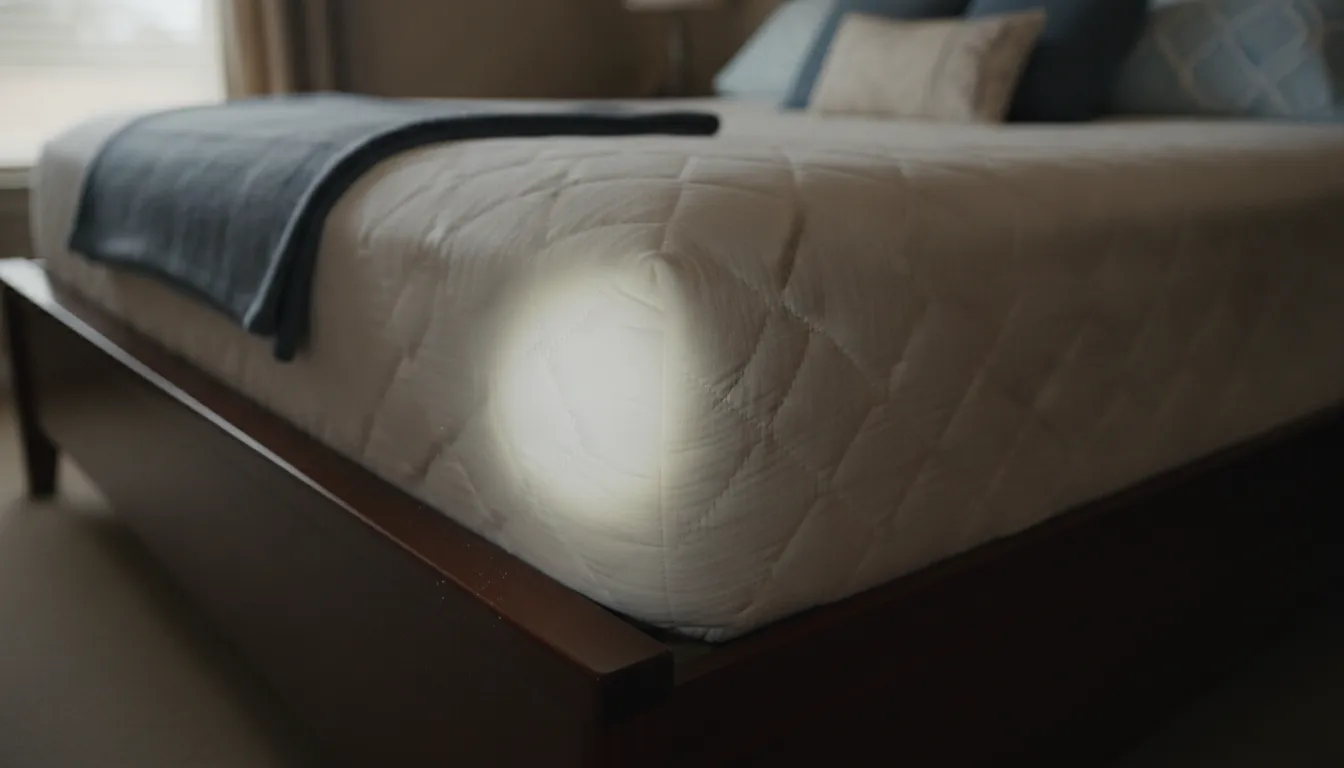
Mattress piping, box-spring corners, and the underside of the bed frame.
Headboard screw holes, nightstand drawers, and the back of nearby furniture.
Baseboards and outlet plates within a few feet of the bed.
Bags, coats, and shoes that sat on or beside the bed.
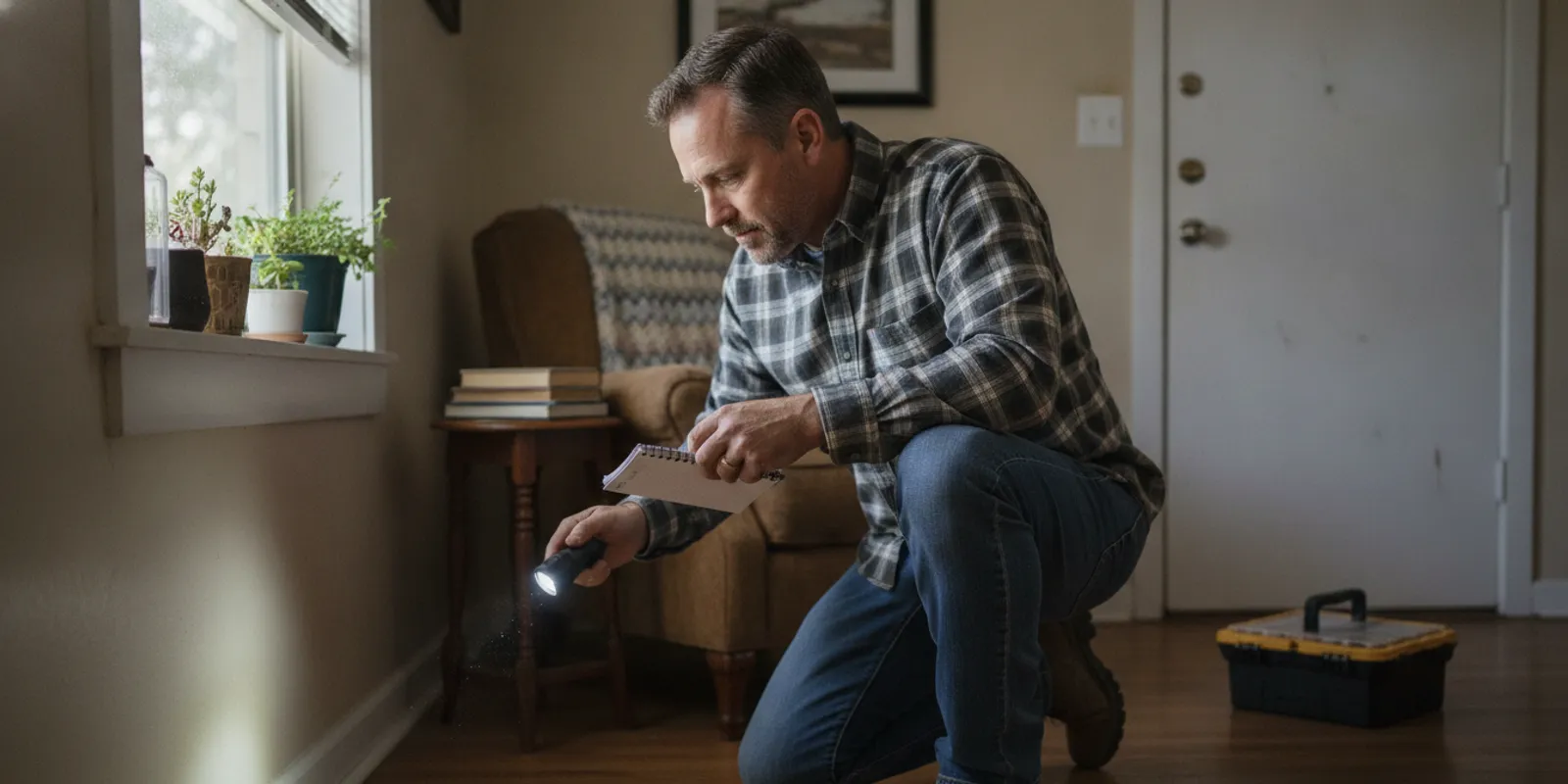
Write down the room and the exact spot. The EPA recommends keeping dates and locations so later checks can show whether activity is shrinking or simply moving. A photo of the seam is more useful than a vague memory of "something on the bed.
Stop the three moves that spread them
Panic usually does more traveling than the bugs do. Bed bugs do not fly. They move when we carry the thing they are hiding in.
Do not switch bedrooms
Sleeping on the couch, or in a guest room "just for tonight," can give them a second harbor. Stay in the room where you found them until someone has inspected the rest of the home. If the bites are severe, or someone in the house has a strong skin reaction, talk with a healthcare provider about the symptoms. That medical visit is separate from getting the insects out of the furniture.
Do not haul the mattress to the curb yet
Dragging a mattress through the hall, then leaving it on the curb unmarked, spreads bugs through the house and sometimes into someone else's truck. The EPA says to discard a piece only when you cannot safely clear it, and to ruin or mark it so another household does not pick it up. Many frames and mattresses can stay if they are treated and, later, sealed in a bed-bug-proof cover. Ask before you pay for a replacement.
Do not set off a fogger
Total-release foggers and "bug bombs" push bed bugs deeper into walls and furniture joints. The EPA warns that do-it-yourself products, especially foggers, have to be legal and used as labeled, and that some home remedies cause real harm. Rubbing alcohol, gasoline, and kerosene are not bed bug treatments. They are fire hazards.
Store sprays labeled for bed bugs are still a poor first move on a whole room. Eggs and bugs inside a frame screw hole will not all die from a surface mist. You can also contaminate bedding you still need to wash.
Contain the room, then handle laundry
The useful first hour is containment. You are trying to keep bugs in the rooms you already know about and to keep clean clothes from going back into an active spot.
Bag it before you walk it
Strip the bed and put sheets, pillowcases, and blankets straight into a heavy plastic bag or a bin with a tight lid. Seal it in the bedroom.
Do the same with clothes from the floor, the hamper in that room, and anything that was stored under the bed.
Carry the sealed bags straight to the laundry. Do not set them on the sofa on the way.
Wash on the hottest setting the care label allows, then dry on high heat if the fabric can take it. Heat in a dryer is what reaches bugs hiding in folds. A cold wash alone is not enough.
After the cycle, put clean items in a fresh bag or bin. Leave them closed until the sleeping area has been inspected and treated. Do not put them back on an untreated mattress.
Items that cannot be washed or dried can stay in a sealed bag for a long time. The EPA notes that some untreated items may need to remain sealed for up to a year. That is a last resort for keepsakes, not a plan for the clothes you wear next week. A technician can tell you which pieces are worth treating instead.
Vacuum without making a trail
Vacuum mattress seams, the bed frame, baseboards, and the floor under the bed. The EPA's advice is to seal the vacuum bag or canister contents right away and take them to an outdoor trash can. A vacuum left in the hall is a moving harbor. Do not rely on the vacuum as the treatment. It removes some bugs and eggs you can see. It does not reach inside a glued furniture joint.
Reduce clutter beside the bed so an inspector can see the frame, the outlets, and the floor edge. You do not need to empty the whole house. Piling every closet into the living room just before a visit hides the problem and spreads it.
First-day choice | What it does | What it misses |
Seal and launder bedding and nearby clothes. | This removes bugs from fabric you can heat-dry. | It misses eggs and bugs inside frames, drawers, and baseboards. |
Vacuum seams and take the bag outside. | This picks up some visible bugs, skins, and debris. | It misses anything deeper than the nozzle can reach. |
Mattress encasement. | This traps bugs already on the mattress and makes later checks easier. | It misses bugs in the frame, headboard, and nearby furniture. |
Store fogger or bug bomb. | This gives little lasting control, and it can scatter bugs. | It misses hidden life stages and a safer treatment plan. |
Whole-house liquid treatment with follow-up. | This reaches cracks, furniture, and frames over more than one visit. | It still fails if prep is skipped or new bugs are carried back in. |
Why one cleaning misses eggs and nymphs
Bed bugs are not a single layer of insects on a sheet. They grow through eggs and five nymph stages before they are adults. Nymphs are small and pale until they feed. Eggs are stuck in tight spots and do not all hatch on the day you clean. The EPA says a do-it-yourself effort can take weeks to months, and that you may have to repeat the steps to kill bugs and eggs.
That is the gap in "I washed the sheets, so we should be fine." Hot laundry helps the fabric you treated. It does nothing for a nymph in a headboard bolt hole or eggs along a box-spring tack. Bugs can also live for months without a blood meal, so leaving the room empty for a weekend does not starve them out.
A heavy infestation is not defined by a magic count on the first glance. A few adults on a seam can mean more in the frame. Activity in a second room, or bugs on a sofa where someone naps, means the problem is already wider than the bed. Write down every spot. Do not decide the size of the job from one pillow.
The EPA's guide to getting rid of bed bugs says there is no quick fix, and that combining methods works better than betting on one product. Preparation matters whether you hire someone or try to handle it yourself. For most homes that already have live bugs, the practical version of that plan is a professional inspection, not another store spray.
What Pro Pest's bed bug service covers
On the bed bug treatment section of the services page, Pro Pest describes a whole-house liquid treatment. The visit treats cracks and crevices, furniture, and furniture frames. An organic option is offered for this bed bug service if you want a more natural approach. That option is specific to bed bugs. It does not mean every Pro Pest service is organic or chemical-free.
Follow-up matters here because eggs and nymphs are easy to miss on one pass. The services page says multiple treatments are used to address bed bugs, nymphs, and eggs. It does not publish a fixed visit count, a price, or a guarantee for bed bugs. Those details belong in the inspection conversation, after someone has seen the home. Do not expect a quote to match a number you found on another company's page.
This is different from a one-room spray or a heat-only pitch. Pro Pest does not advertise heat treatment for bed bugs. If a company leads with a price for whole-home heat before looking at the furniture, you still do not know whether the bugs are only in one bed or already in the living room. Liquid treatment of the harborages the service page names is the offer to ask about.
What to have ready before the visit
The rooms where you found bugs, spots, or shed skins.
Bags of laundry already washed and heat-dried, kept sealed.
Clear access around beds and upholstered furniture. You do not have to throw those pieces away.
A note about pets, kids, and anyone who needs extra time away from treated rooms. Ask what re-entry should look like for your house.
Questions about the organic option, what the follow-up is for, and which rooms are included.
A free inspection is a request, not a confirmed appointment and not a locked price. Pro Pest's office at 200 Meyer St., Sealy, TX 77474, takes calls during office hours, Monday through Friday, 8 a.m. to 5 p.m. Field service hours run later into the week and include Saturday morning. Same-day help is something the company offers whenever possible. It is not a promise for every call.
The pest control inspection page explains what that visit is for: looking at conditions and activity before anyone recommends a service. Bring the sealed sample if you still have it.
After the first treatment
The days after a visit are when people either protect the work or undo it. Keep sleeping in the treated bed unless you were told otherwise. Moving to a fresh room now can start a new pocket of bugs just as the follow-up is trying to catch what hatched.
Leave the sealed clean clothes sealed until you know where they can go back. When you do put clothes away, use drawers and closets that were part of the treatment area. Do not stack clean laundry on an unchecked spare bed.
A zippered mattress and box-spring encasement is useful after the bed has been treated, because it traps any bugs still on that piece and makes new spots easier to see. It is not a substitute for treating the frame and the nearby furniture. Wipe the cover on a schedule and check the zipper. A torn cover hides the problem again.
Vacuum the floor edges and empty the canister into an outside bin. Skip a deep scrub of baseboards if you were told the treatment needs time to stay in place. Ask before you mop, steam, or rearrange the room.
Watch for new spots, skins, or live bugs and write down the date. A nymph that hatches after the first visit is a reason for the follow-up, not proof that the first visit failed. New luggage, a recent guest, or a thrift-store chair brought in the same week can also reintroduce bugs. Check those items before they sit beside the bed.
If you rent, tell the property manager what you found and what the inspector saw. Units that share walls sometimes need to be looked at too. The EPA points out that neighbors and other residents affect whether a plan works. You cannot finish the job alone if bugs are moving between apartments and nobody next door is participating.
If you have already found a bug, a spot trail, or shed skins, ask Pro Pest to look before you buy another round of sprays. Call (979) 885-6666 or request a free inspection and describe which rooms are involved.
Frequently asked questions
Should I sleep somewhere else tonight?
Stay in the room where you found the bed bugs. Moving to a couch or another bedroom can carry them into a new spot. If someone has a strong allergic reaction, get medical advice. Still keep bedding and clothes from moving through the house loose.
Can I get rid of bed bugs by washing the sheets?
Washing and high-heat drying handle many bugs on fabric that can take the heat. They do not reach eggs and nymphs inside frames, headboards, and other furniture. The EPA says complete control often has to be repeated over weeks, not finished in one laundry day.
Do bug bombs work on bed bugs?
No. Foggers are a common reason bugs end up deeper in hiding spots. Use only products that are legal for bed bugs, and do not use flammable liquids as a home remedy. A labeled spray is not the same thing as a whole-house plan with follow-up.
Does Pro Pest offer an organic bed bug option?
Yes. The services page lists an organic option for the bed bug service. It sits alongside whole-house liquid treatment of cracks, crevices, furniture, and frames. That option is for bed bugs only. It is not a claim that every Pro Pest treatment is organic. Ask during the inspection if you want it.
How do I book a visit in the Sealy area?
Use the quote form to request a free, no-obligation inspection. You can also call the Sealy office at (979) 885-6666 during posted office hours. Tell them you found bed bugs and which rooms are affected. Mention if you want to ask about the organic option. The request does not lock a price or a same-day slot.
Comments