Drain Fly Control: Find the Source and Reduce Activity
If you see tiny, fuzzy flies near a sink, shower, or floor drain, drain fly control starts with finding the source—not simply swatting adults. Drain flies are associated with moist organic buildup, but a sighting beside a fixture does not prove that the drain is responsible. A careful inspection of where they gather, what stays damp, and what other small flies are present can help you choose a useful next step.
What do drain flies look like?
Drain flies are small, usually gray or dark, and appear fuzzy or moth-like because fine hairs cover their wings and bodies. They often rest on nearby walls and surfaces. Their flight is typically short and fluttering, which can make them noticeable around sinks, tubs, showers, floor drains, and other damp locations.
Appearance is a clue, not proof. Several kinds of small flies can appear indoors, and a mistaken identification can send you toward the wrong source. Observe the insect without handling it. Note its size, shape, color, and resting places. If you can take a clear photo safely, save it with the date and room where it was seen. A photo is often more useful than a vague description when you ask for help.
Also note whether the insects rest on a wall close to one drain, appear around a window, or are distributed across several rooms. One isolated adult and repeated groups are different patterns. Neither pattern alone identifies the source, but a short record can keep the investigation focused.
How are drain flies different from other small flies?
Look at the insect and its surroundings together. Fruit flies are often associated with ripe produce, food residue, or fermenting material. Fungus gnats are slender and may be seen around damp potting soil. Drain flies are more often found resting near wet drain areas, though location alone cannot confirm the species.
What you notice | Possible clue | What to check next |
Small, fuzzy, moth-like flies on a bathroom wall | A drain fly is one possibility | Nearby sink, tub, or floor drain; persistent dampness |
Small flies around fruit or a recycling container | Food residue or fermenting material may be involved | Produce, beverage spills, trash, and container residue |
Slender flies around indoor plants | Damp potting mix may be involved | Plant soil and watering conditions |
Flies appearing in several rooms without a clear cluster | More than one source or a different insect may be involved | Other drains, plants, food waste, and damp spots |
Use this comparison to choose what to inspect, not to make a final diagnosis. If adults appear in several rooms, or sightings continue after you address an obvious source, broaden the search rather than assuming every small fly is coming from a drain. For a wider look at indoor fly clues, see this guide to common fly activity and prevention.
Where should you look for the source?
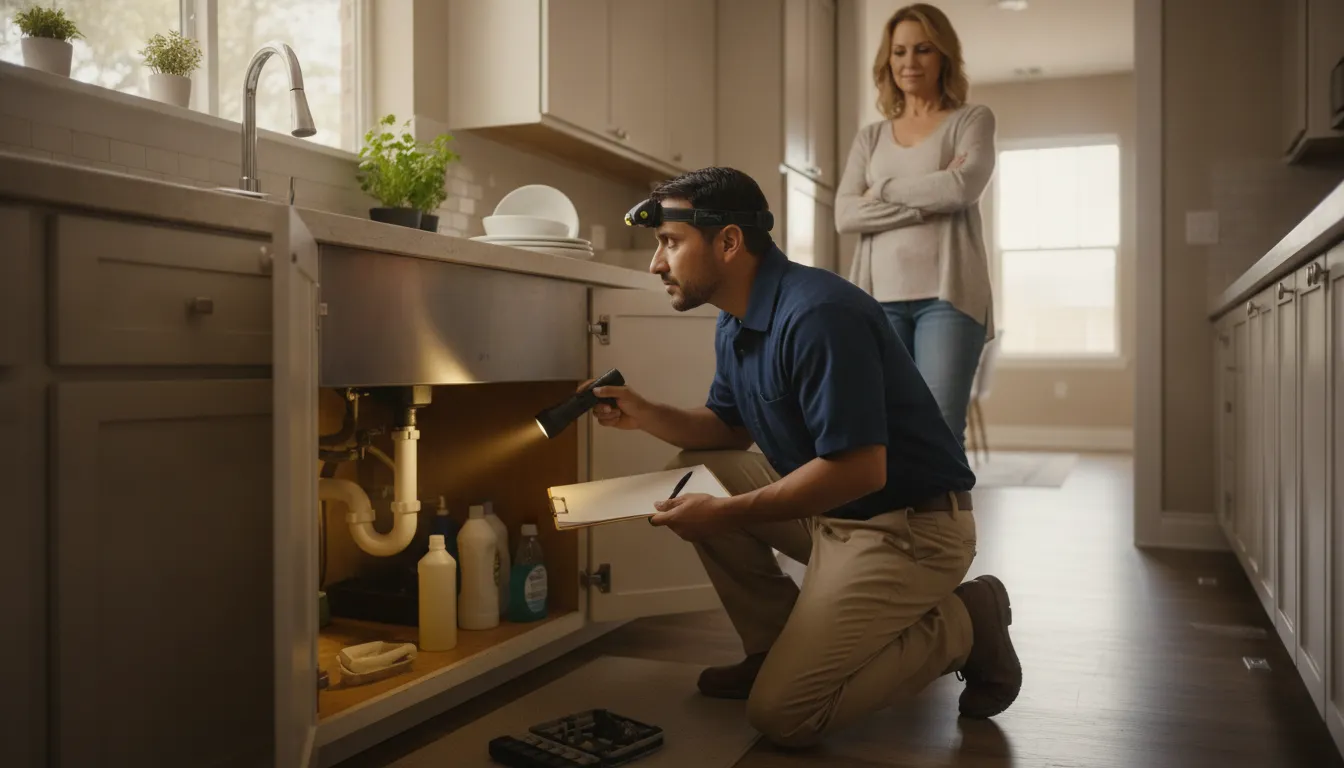
Start with places that stay damp and can collect residue. Check the drain opening and nearby surfaces in the room where you see the most flies. Then consider less visible or less frequently used drains, including floor drains, utility sinks, and guest bathrooms. A drain that is rarely used may still matter if it holds moisture or has accumulated organic material.
- Kitchen:
Check sink drains, the area around the sink, and places where food or liquid residue can collect. Look at the underside and edges of removable strainers if they can be lifted safely.
- Bathroom:
Check sink, tub, and shower drains, plus damp areas around fixtures. Notice whether water lingers around a base or cabinet.
- Laundry or utility space:
Note floor drains, utility sinks, and corners that remain wet after use.
- Other damp areas:
Look for leaks, standing water, or organic buildup near plumbing, without opening walls or dismantling fixtures.
Do not overlook a source because it is out of sight. A seldom-used drain, plumbing issue, or damp accumulation can be easy to miss. You can make a room-by-room list and mark each place as dry, damp, visibly dirty, or not safely accessible. This simple inventory distinguishes a likely target from a guess and makes it easier to describe what you found.
Keep the investigation proportionate. You do not need to remove plumbing or probe a pipe to gather useful clues. If access requires tools, exposes wiring, involves a confined space, or could damage a fixture, leave the work to an appropriate professional. A pest assessment does not replace plumbing repair when a leak or blockage is suspected.
How can you check whether a drain is involved?
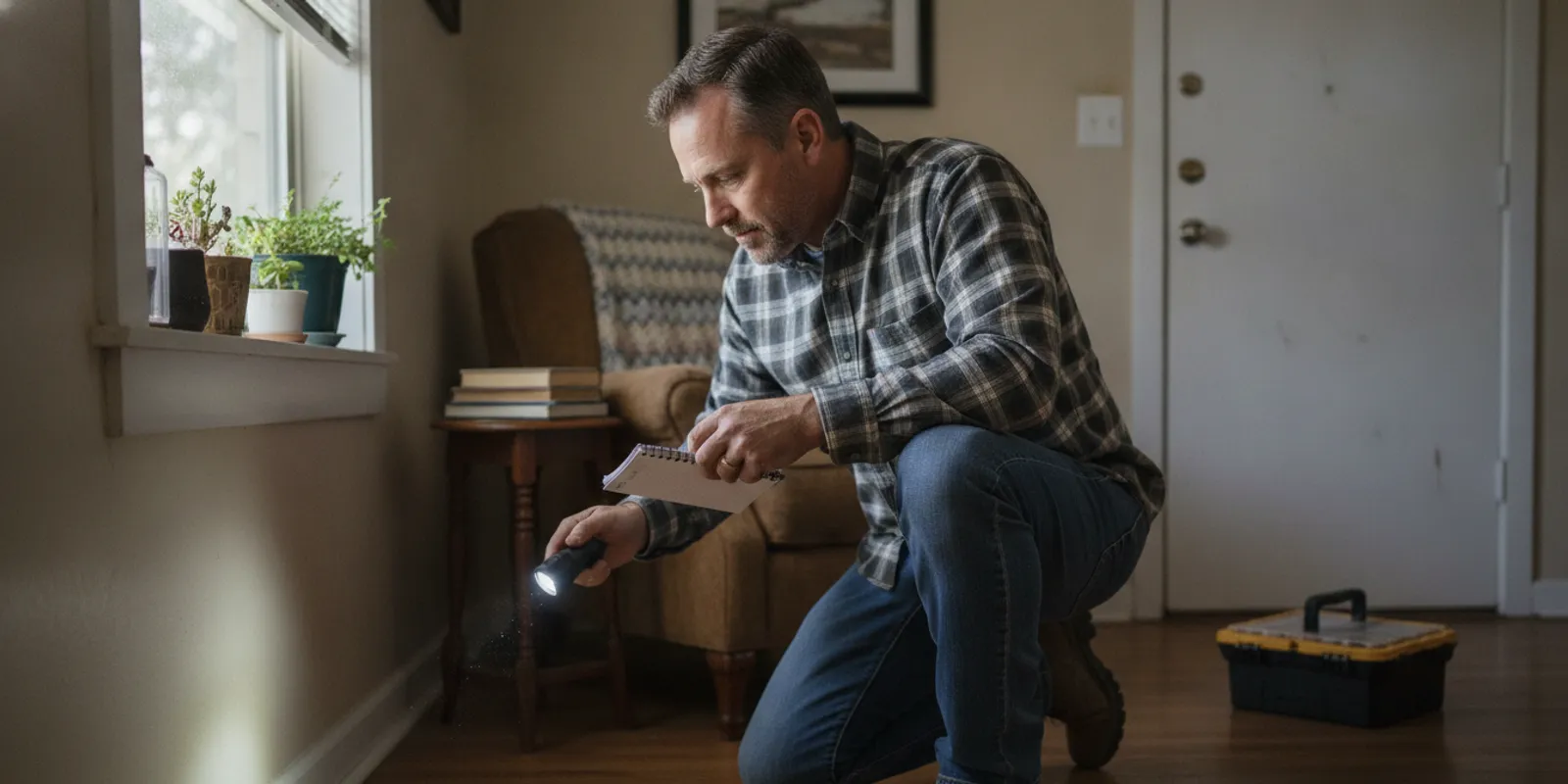
First, observe where adults rest and when you see them. A few observations over several days can show whether activity clusters around one fixture or shifts between rooms. Keep a simple log with the date, location, approximate number, nearby drains or plants, and any recent cleaning or leak you noticed. Avoid treating one brief sighting as conclusive.
You can make a visual check of accessible drain surfaces using a flashlight. Look for residue just inside the opening without reaching into pipes. Keep the surrounding surface clean and dry. Do not seal a drain in a way that blocks normal use, creates a hazard, or interferes with a fixture. If you are using a simple observation method, follow its directions and do not leave a covered drain in use.
Compare locations instead of relying on proximity alone. If the bathroom has flies but the nearby drain looks clean and activity is also present around a plant or trash area, note both possibilities. If a particular room has repeated sightings and a nearby damp drain, that is a stronger lead, but still not confirmation. The useful question is whether the pattern, moisture, and visible residue point to a plausible source.
A practical decision record might look like this: “Three fuzzy flies on the laundry wall Monday evening; floor drain nearby; floor stayed damp after a leak; no activity around kitchen fruit.” That note does not diagnose the insect, but it identifies a location and condition to examine. A record that says only “flies everywhere” is harder to act on. Add observations as they change, rather than rewriting them from memory.
What steps can help reduce drain fly activity?
Where safe and appropriate, clean accessible drain areas and remove visible organic material. Follow fixture and product instructions, and never mix cleaning products. Keep sinks and surrounding surfaces clean, address drips, and reduce standing water where you can do so safely. The aim is to address a plausible source and the conditions around it, not simply to kill the adults you can see.
- Remove obvious residue.
Clean accessible surfaces around the drain and fixture. Do not push debris deeper into plumbing or use a tool that could damage the drain.
- Correct moisture conditions.
Dry wet surfaces when practical and arrange repair for a persistent leak. Do not conceal water damage or assume drying the floor resolves a hidden plumbing issue.
- Review seldom-used drains.
Check whether they are damp, dirty, or near recurring activity. Follow appropriate fixture guidance; do not improvise a chemical treatment.
- Keep other likely sources in view.
Remove food scraps, clean spills, empty waste containers as needed, and review plant moisture if the evidence points there.
- Recheck the pattern.
Record whether sightings decline, remain steady, or appear in new locations, and revisit the original source rather than treating the room at random.
Adults can remain visible for a time after you begin addressing a source, so judge progress by the trend rather than one day's count. If activity continues, the underlying buildup or moisture condition may not have been reached, or the source may be elsewhere. Repeatedly spraying adults can briefly reduce visible insects without resolving what supports them.
The University of Arkansas Division of Agriculture explains that eliminating larval food sources is important to interrupt development and prevent more adult flies from emerging: Drain flies: what they are and how to manage them. This supports a source-first approach; it does not mean every indoor fly problem comes from a drain.
What should you avoid while investigating?
Do not assume every small fly is a drain fly based on size alone.
Do not pour multiple cleaners or pesticides into a drain, or combine products.
Do not rely only on killing visible adults while ignoring moisture and residue.
Do not dismantle plumbing, enter a confined space, or reach into a drain to search for a source.
Do not make a permanent-control claim based on a brief drop in sightings.
Use any household product only as its label directs and only when it is appropriate for the fixture and situation. If you are unsure whether a product is compatible with previous cleaners, do not add another one. Ventilate or leave an area as the label advises, and keep children and pets away as directed. These are general cautions, not a treatment recipe; uncertain conditions call for qualified guidance.
For a persistent plumbing leak, blockage, or sewer concern, contact an appropriate plumbing professional. Pest inspection and plumbing repair address different problems. If the evidence instead points to insects and the source remains uncertain, an inspection can help assess activity without presenting pest control as a substitute for plumbing work. For other damp-related household issues, this overview of moisture-related pest clues offers a broader checklist.
How should you judge whether your steps are helping?
Choose a repeatable way to observe the same places. For example, check the same bathroom wall and drain area at roughly similar times, and record the number of adults you see. Consistency matters more than a perfect count. Note whether the room was cleaned, whether a fixture was used, and whether new dampness appeared. These details help separate a real change from ordinary day-to-day variation.
Review the record after several checks. A downward pattern near the suspected source, with no new locations, is more informative than one quiet day. Similar or increasing activity suggests that your first step may not have reached the source. Activity showing up in a different room means you should widen the inspection rather than repeat the same action automatically.
For instance, if flies were repeatedly seen by a guest-bathroom sink and there is no activity elsewhere, cleaning accessible residue and addressing a damp fixture are focused steps. If sightings persist at the sink and also appear by a laundry floor drain, the working theory should change: inspect both locations and check for moisture conditions instead of treating only the sink. If there is no plausible drain pattern, reconsider food, plants, or another small-fly source.
Do not use a homemade observation as a guarantee or a substitute for identifying the insect. A simple record is a decision aid. It helps you explain what changed and where, whether you continue checking, request an inspection, or call a plumber about a leak.
When should you request a pest inspection?
Consider requesting an inspection if flies return after accessible areas have been cleaned, if activity appears in multiple rooms, or if you cannot identify a likely source. An inspection can help distinguish a drain-related issue from another small-fly source and assess relevant conditions before any treatment is recommended. The process should begin by looking at the property and activity, not by assuming a standard drain treatment is right for every case.
Pro Pest is a family-operated pest-control provider based in Sealy. Its process begins by inspecting conditions and activity, then recommending targeted treatment based on findings. A free, no-obligation inspection is a request, not a confirmed appointment or fixed-price quote. For background on the company, see about Pro Pest. For pest-specific options, review the specialty pest services page. Neither page establishes that every address is eligible; confirm service availability for your ZIP code.
What should you include in an inspection request?
Specific details help clarify the situation without assuming a diagnosis. Include the property type, ZIP code, rooms where flies appear, when activity began, and whether it is increasing, steady, or declining. Note nearby drains, plants, wet areas, visible residue, leaks, and cleaning steps already taken. A photo, if available, can help explain the insect's appearance, but do not handle it to obtain one.
Also state whether you are asking about a one-time service or ongoing help. Residential and commercial needs differ: a homeowner may be focused on a particular sink or bathroom, while a business owner may need to describe the affected work area, operating constraints, and whether activity is isolated or recurring. Do not include sensitive information that is not needed for the request.
Service eligibility depends on location and conditions. Sealy is Pro Pest's local anchor; do not assume coverage throughout Houston or Katy from the existence of regional marketing. Confirm that your ZIP is within the current service footprint and that the company can dispatch to the property. Homeowners can review residential pest-control information; local business and property owners can review commercial pest-control information. Use the inspection request page to share property details.
What should commercial property owners consider?
Commercial settings call for a clear account of where and when activity occurs. A manager can map sightings by room or area, note nearby floor drains and utility fixtures, and identify whether the area is used for food handling, guest access, storage, or routine cleaning. This is not a substitute for the property's own sanitation, maintenance, or safety procedures. It helps staff report a defined issue rather than a broad impression that “flies are everywhere.”
Keep observations separate by location and shift when possible. If a staff member sees adults by a service sink in the morning and another sees them near a loading area later, note both observations. Check whether a spill, leak, cleaning schedule, or idle drain could explain the pattern. Do not ask staff to apply pest products or access restricted plumbing unless their role, training, and product directions permit it.
For a commercial inspection request, describe the property type, affected areas, operating hours relevant to access, and whether a one-time assessment or ongoing service is being considered. This information can support a discussion of next steps, but it does not imply a service schedule, contract term, or response time. Confirm ZIP eligibility and operational details before arranging work. More details about the company's commercial offering are available on its commercial pest-control page.
Drain fly control questions
Are drain flies a sign that a home is dirty?
No. Activity can be associated with moisture and organic buildup in a particular location, including places that are not part of everyday cleaning. Look for a specific source instead of drawing conclusions about the whole home.
Will cleaning a sink stop drain flies?
It may help if the relevant source is accessible and the buildup is there. If flies persist, another drain or damp area may be involved, or the insects may come from a different source.
Should I use a drain cleaner or pesticide?
Use products only as labeled and appropriate for the fixture, and never mix cleaners. If you are unsure what is safe or cannot locate the source, seek qualified guidance rather than applying several products.
Why do flies return after I remove the adults?
Removing visible adults does not necessarily remove the conditions that support immature flies. Recheck damp areas and residue, and consider an inspection if sightings continue.
Is a fly beside a drain proof that it came from there?
No. Adults may be seen near a drain without developing in it. Look for repeated activity and matching moisture or residue clues, and consider other sources if the pattern does not fit.
Start with the locations and conditions you can observe, and request an inspection when the source remains uncertain or activity continues.
Comments