How to Get Rid of Flies: Practical Prevention and Control Steps
Updated: Nov 3
Knowing how to get rid of flies starts with finding out why they are showing up. A fly in the kitchen may have come through an open door, while repeated activity can point to an accessible food source, a gap in a screen, or another condition that needs attention. Removing the flies you see can help, but lasting control usually begins with checking the area and changing what is attracting or letting them in.
What should you check before trying to get rid of flies?
First, take a moment to observe where the flies gather and when they appear. Look near windows, doors, food-preparation areas, trash, recycling, sinks, drains, pet-feeding spots, and any produce being stored on a counter. Notice whether you are seeing a few flies occasionally or a repeated cluster in one location. These observations help narrow down the next step.
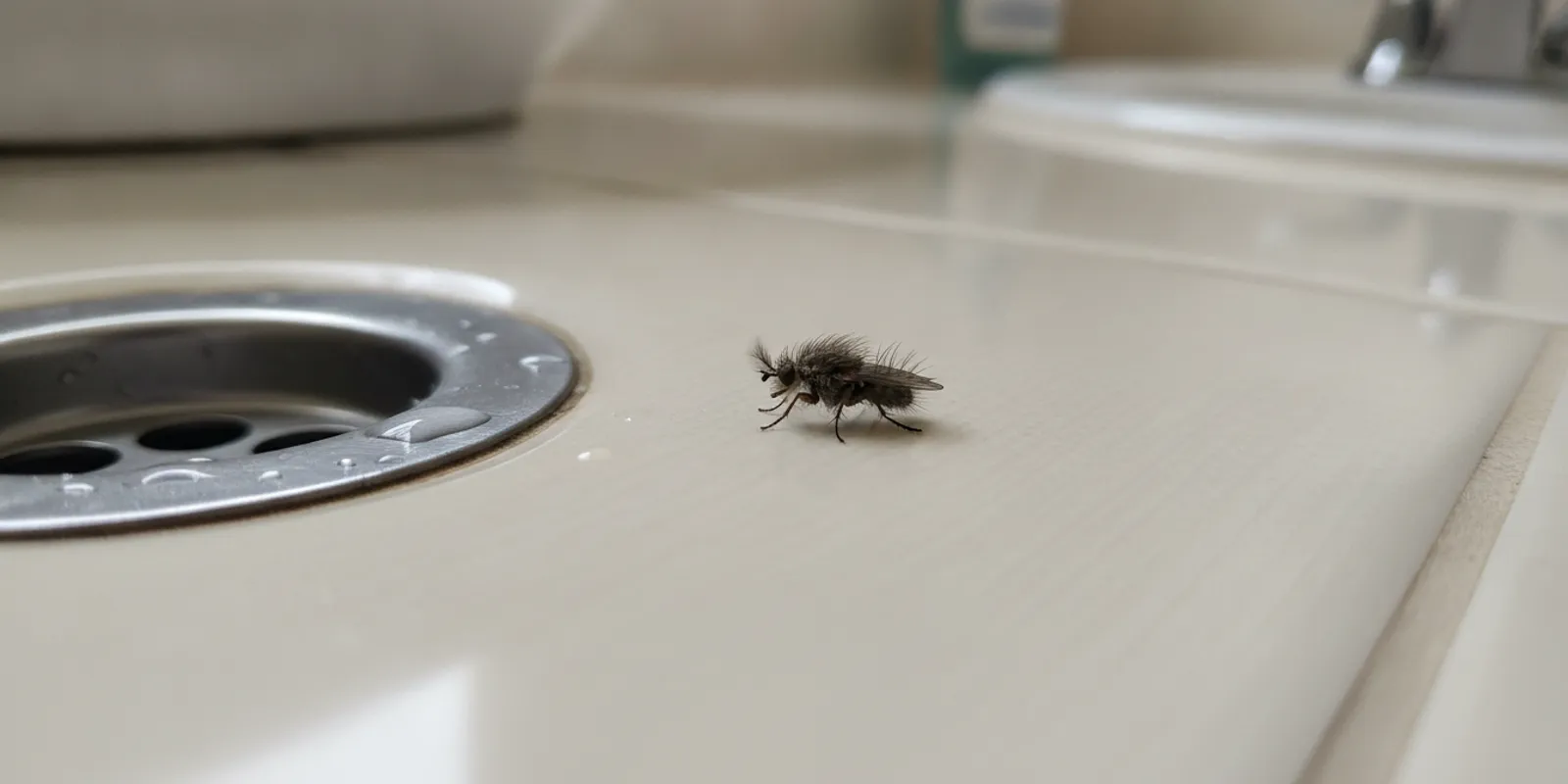
Do not assume every fly has the same source or needs the same control method. The general term “fly” covers different insects with different habits. A fly near a window may simply have entered from outdoors. Several flies repeatedly appearing near a food or waste area may make that location worth checking more closely. If you cannot identify the insect, a clear photo can help you describe what you are seeing when you seek advice.
Keep the first check simple. Do not handle unknown insects or disturb a suspected nest or animal remains. If you find spoiled food or leaking waste, use ordinary care while cleaning, and follow product labels for any household cleaning or pest-control product you use. Do not mix cleaners. The goal is to remove likely attractants and understand the pattern, not to apply multiple products without knowing whether they fit the problem.
How can you find the source of a fly problem?
Walk through the rooms where flies are present and look for conditions that could provide food, moisture, or access. Start where activity is highest, then check nearby spaces. Flies can travel, so the place where you notice them is not always the place where they entered or gathered first.
Check food and food-preparation areas
Look for uncovered food, overripe produce, spills, sticky residue, crumbs, and food scraps in hard-to-see places. Check beneath small appliances and around the sides of a trash container. Put food away in closed containers or the refrigerator as appropriate, rinse or clean containers before recycling, and wipe counters and tables after food preparation. Empty food waste regularly, especially when it contains scraps that could attract insects.
Inspect produce before bringing it into a storage area, and avoid leaving cut fruit or other perishable food exposed for long periods. A clean counter does not prove there is no source elsewhere, but reducing access to food makes the home less inviting and helps you assess whether activity changes.
Inspect trash, recycling, and compost areas
Check whether trash bags are tied, bins close properly, and waste containers have residue inside or around them. Clean the inside and outside of a bin when needed, then let it dry before replacing the liner. Keep recycling rinsed when practical and avoid letting food residue collect in containers. If a compost container is used, keep it covered and maintain it according to its instructions.
Look at the area around outdoor bins as well. A lid left open, spilled material, or waste stored near a frequently used door can contribute to fly activity close to the house. Keep bins closed and, when possible, away from doors and windows. Follow your local waste-service guidance for collection and storage.
Look for moisture and neglected spots
Check around sinks, floor drains, plumbing, damp cleaning materials, and containers that may hold standing water or residue. Clean and dry surfaces where moisture and organic debris collect. If you notice a persistent leak, repair it or arrange for the appropriate professional to address it. A fly sighting alone does not establish that a drain is the source; look for a pattern and inspect the surrounding area rather than pouring an unlabelled or unsuitable chemical into plumbing.
Also check pet-food bowls, litter or waste areas, and food storage for pets. Pick up uneaten food and clean the surrounding floor. If a fly problem seems connected to an issue that cannot be safely or effectively cleaned by routine household steps, get advice rather than disturbing a hidden area.
How should you work through a fly investigation?
A repeatable check makes it easier to separate a one-time entry from a recurring source. Begin at the place where you see the most activity. Look at the nearby food, waste, moisture, and openings, then move outward to connected areas such as a pantry, utility room, porch, or bin location. Do not inspect the whole property randomly; start with the strongest clue and follow the route that makes sense.
- Record the pattern.
Note the room, approximate time, and whether the flies are near a window, food, waste, or a door. If activity shifts from one room to another, note that too.
- Remove obvious attractants.
Put away food, clean spills, secure waste, and dry damp areas that can be addressed safely.
- Check access.
Inspect the nearest screen, door, or opening for a visible gap or damage. Consider whether a door is often left open during deliveries or outdoor chores.
- Wait and observe.
After these changes, check whether activity decreases or returns in the same location. A simple before-and-after comparison is more informative than changing several things at once.
- Escalate when the pattern remains unclear.
Share your notes and a photo, if available, rather than applying a succession of products without identifying the issue.
For example, if flies appear mainly after the back door is used and gather by a nearby window, check the screen and door habits first. If they keep turning up around a bin even when exterior doors stay shut, inspect the bin, the surrounding floor, and the route between the bin and the room. These examples do not identify a particular fly or prove a source. They show how location and timing can guide a more focused check.
Change one manageable condition at a time when practical. If you empty and clean a bin, secure food, repair a screen, and set several traps all on the same evening, you may not learn which change mattered. In a busy household, that level of tracking is unnecessary, but noting the main change helps you decide whether to keep it up or investigate a different area.
What can you do to keep flies from entering?
After addressing obvious attractants, reduce easy ways for flies to get indoors. Close doors and windows when they are not screened, and make sure screens fit their frames without visible tears or gaps. Repair damaged screens and check the edges of doors for openings. Pay attention to doors that are left open during cooking, deliveries, or frequent trips outside.
When you open a door, try to limit how long it remains open, especially when food or waste is nearby. If a screen door is available, keep it closed and make sure it latches. Check for gaps around utility lines, vents, or other openings that connect to the outdoors. Any repair should fit the opening and preserve the function of the door, window, or vent.
Outdoor housekeeping can help, too. Keep waste containers covered, clean up spills near them, and avoid leaving food scraps outdoors. If you host a meal or gathering, clear plates and food promptly and close doors between trips. These steps do not guarantee that no fly will enter, but they reduce opportunities for access and help prevent easy food sources from remaining available.
Which fly-control methods make sense indoors?
For a small number of flies, a flyswatter can be a direct way to remove insects that are already inside. A light trap may also be an option in some situations, but placement matters: it should not attract flies toward food-preparation or serving areas. Follow the product instructions and keep traps away from children, pets, food, and surfaces where food is handled. A trap catches flies; it does not by itself remove the conditions that attracted them.
Sticky traps can help show where flies are active and catch some insects, but use them only where they will not contact people, pets, or food. Place them where they are appropriate for the product and check them regularly. If the trap catches flies over and over, return to the source check. Replacing a full trap without changing the conditions around it can leave the underlying problem in place.
Be cautious with sprays and foggers. Read the entire label before use and follow all directions, including where the product may be applied, how to ventilate the area, and when people or pets may re-enter if the label gives such instructions. Never apply a product to food, dishes, or food-contact surfaces unless its label specifically permits that use and you follow the directions. Do not use outdoor products indoors. If you are uncertain whether a product is appropriate, do not apply it until you have checked its label or obtained qualified guidance.
Avoid combining methods indiscriminately. Spraying while using traps or cleaning products may create new hazards or make it harder to learn what is working. Keep the approach focused: remove likely sources, block access, and use a control method only when it is suitable for the area and the insect. If activity continues, more of the same product is not necessarily the answer.
How can you tell whether the steps are working?
After cleaning and exclusion work, pay attention to whether fly activity becomes less frequent and whether the same area continues to attract insects. Make a simple note of where and when you see them, and whether the doors, windows, or nearby waste areas were in use. This does not need to become a formal log. A few observations can help you distinguish an occasional fly from a persistent pattern.
Check screens and doors again after repairs or changes. Empty and clean traps as directed, and keep food and waste secured. If flies stop appearing, continue the basic housekeeping and exclusion steps that fit your home. If they return repeatedly, note the locations and conditions before escalating control. An ongoing pattern may mean that a source is being missed, access remains open, or the insect needs closer identification.
Do not use a single day without flies as proof that a source has been permanently removed. Likewise, a fly or two after a door has been open does not automatically mean a major infestation is present. Consider the pattern over time and the setting. Consistent prevention is more useful than reacting to each individual fly with a new treatment.
When should you ask for professional help?
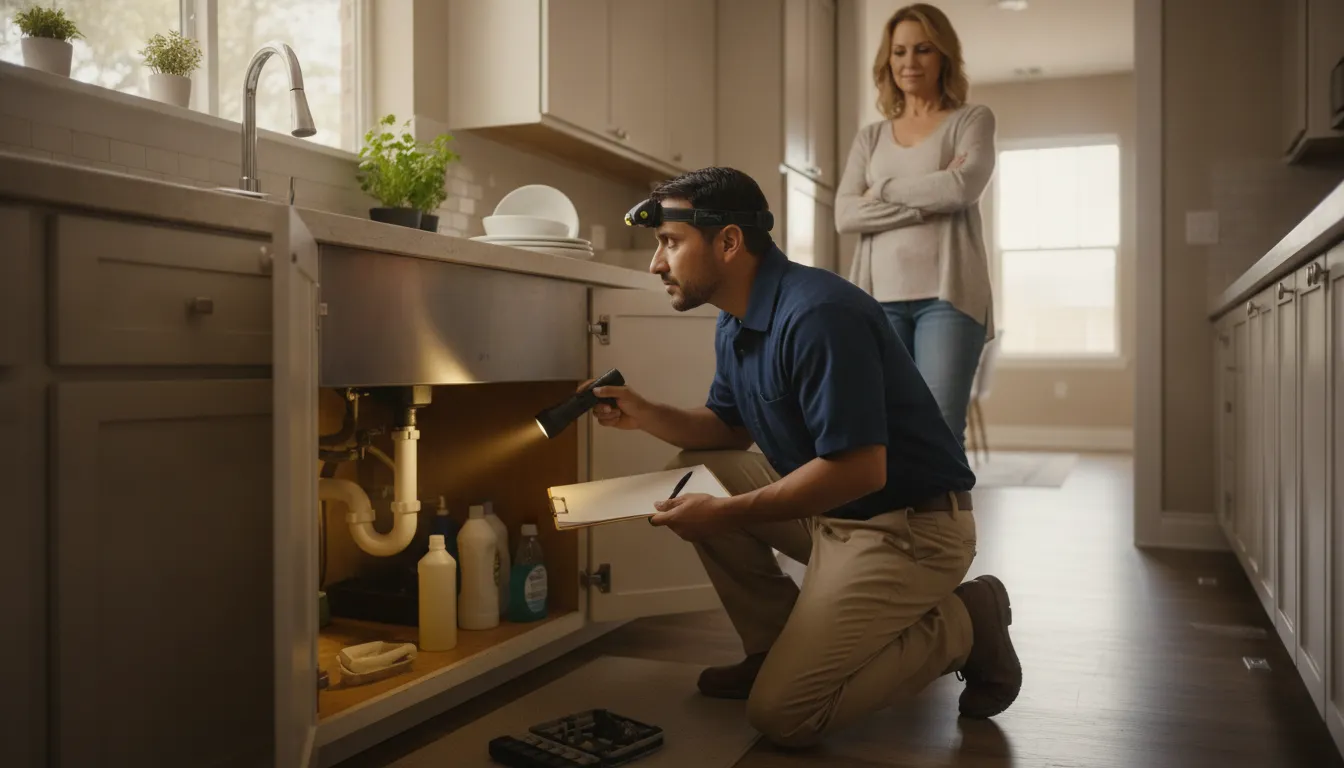
Consider requesting a pest inspection when flies keep returning despite sensible cleaning and exclusion, when you cannot find a likely source, or when activity is widespread enough to disrupt normal use of the space. An inspection can help clarify what conditions are present and what next steps are appropriate. It is especially useful to describe the location, timing, approximate number of flies, and any steps you have already taken.
Pro Pest is a Sealy-based residential and commercial pest-control provider serving Sealy and the surrounding area. Its residential process begins with an inspection of conditions and activity, followed by recommendations for targeted treatment. Residential work may include targeted interior and exterior treatment, with optional exterior follow-up. The particular recommendation depends on inspection findings; requesting a free, no-obligation inspection is not a confirmed appointment or fixed-price quote.
For a home, be ready to describe which rooms are affected, whether flies gather at a window, kitchen, waste area, or another location, and how long the issue has been happening. Share whether you have pets, screens that need repair, or a recurring moisture concern so the inspection conversation has useful context. Do not assume that a particular treatment or follow-up schedule applies before the property and conditions have been assessed.
Commercial properties may have different needs from a home. Restaurants, offices, warehouses, and other local businesses should describe the property type, the areas where flies are seen, the pest concern, the ZIP code, and whether they are seeking one-time or ongoing service. A business owner seeking commercial service can request a commercial quote; service availability should be confirmed for the specific address and need.
How can businesses reduce fly activity?
Businesses can begin with the same basic principles: identify the locations where flies are observed, remove accessible food or waste, keep doors and windows appropriately screened or closed, and address spills and moisture. The details depend on how the property is used. A business with food preparation should pay close attention to food storage, waste handling, and cleaning routines. An office or warehouse may need to examine break areas, receiving doors, waste containers, or other places where food or access conditions differ.
Assign responsibility for checking likely sources so that bins, break areas, and entry doors are not overlooked between shifts. Keep lids and doors closed when practical, and make sure screens or other barriers are maintained. If the problem returns, note the affected room or work area, the time of day, delivery or door activity, and any nearby waste or moisture conditions. These details can make an inspection more useful.
Control devices should be chosen and placed with the work area in mind. A trap or product that is unsuitable near food, employees, customers, or stored goods can create a separate problem. Follow product directions and any applicable workplace procedures. Do not treat a device as a substitute for removing a source or managing entry points.
For local commercial service requests, provide the property type, pest concern, ZIP code, and the preferred one-time or ongoing service arrangement when contacting Pro Pest. You can use the commercial quote request route to start that conversation. A request is a way to share the need; it should not be treated as confirmation of service, a set visit schedule, or a guarantee of results.
What should a household or business note before requesting help?
A short record can keep a service conversation focused. Write down when the issue began, which rooms or work areas are affected, whether activity is constant or occasional, and what appears to be nearby. Include practical details such as a frequently used exterior door, food service or break areas, a recurring spill, or a screen that is visibly damaged. If the same pattern occurs at a particular time, mention that as well.
For a household, note whether the problem is limited to one room or appears in several, and whether cleaning, waste removal, or a screen repair changed the pattern. For a commercial property, identify the property type, affected area, ZIP code, and whether you are asking about a one-time need or ongoing service. Do not assume that a particular service area, treatment, or visit cadence applies until the property and request have been reviewed.
Photos may be useful when the insect is not easy to identify, but avoid handling or trapping insects in a way that creates a safety issue. A clear picture of the area where activity occurs can also provide context. Share observations rather than conclusions: “flies gather beside the receiving door after deliveries” is more useful than declaring that a particular hidden source must be present.
What should you avoid when trying to get rid of flies?
- Do not treat without looking for a source.
Traps or sprays may remove some visible flies while leaving food, waste, moisture, or an entry point unchanged.
- Do not leave food and waste exposed.
Secure scraps and clean residues so that an easy attractant is not available.
- Do not ignore screens and open doors.
A continuing route into the home can undo other control steps.
- Do not use a product outside its label directions.
Never assume that indoor and outdoor products are interchangeable or that a treatment is appropriate around food, children, or pets.
- Do not expect permanent elimination from one method.
Fly activity can recur if a source or access point remains.
- Do not assume every fly problem has the same cause.
The pattern, setting, and insect identification matter when deciding what to do next.
Frequently Asked Questions
What is the first thing to do when flies appear indoors?
Remove or secure exposed food and waste, then observe where the flies gather. Check nearby doors, windows, screens, bins, sinks, and other areas where food or moisture may be present. Finding the likely source helps you choose a useful next step rather than relying only on a trap.
Will a fly trap solve the problem?
A trap may catch some flies and help show where activity is occurring, but it does not necessarily eliminate a source or prevent new flies from entering. Use it according to its instructions and continue checking sanitation and access points.
Should I spray flies in the kitchen?
Do not apply a pesticide around food or food-contact surfaces unless the product label specifically allows that use and you follow every direction. Read the label before using any product indoors. If you are unsure whether it fits the situation, do not use it until you have obtained appropriate guidance.
How do I know if flies are coming from a drain?
A sighting near a sink or drain does not prove the drain is the source. Watch where activity repeats, inspect for residue or moisture, and clean the area appropriately. Avoid pouring chemicals into plumbing based on guesswork; seek qualified help if the pattern persists or you cannot identify the cause.
When is it time to request an inspection?
Request an inspection if flies keep returning after you have addressed likely attractants and entry points, if you cannot locate the source, or if activity is interfering with use of your home or business. Share the affected areas, timing, property type, ZIP code, and steps already tried so the concern can be assessed.
For a more lasting response, start with careful observation, clean up what may be attracting flies, and limit the ways they can enter. If the activity persists, an inspection can help identify conditions and guide appropriate next steps for your property.
Comments