Is Pest Control Worth It? 7 Questions to Ask First
Is pest control worth it? Sometimes the best answer is a simple home repair or a short period of monitoring. In other cases, repeated activity, hidden entry points, property damage, or an uncertain diagnosis makes professional help a more practical choice. The goal is not to buy the biggest service plan. It is to match the response to the pest, the property, and the evidence you can see.
Is pest control worth it for a homeowner?
Professional pest control can be worth it when a homeowner needs an accurate diagnosis, help locating the source, targeted treatment, or a plan for activity that keeps returning. Pro Pest starts with an inspection-led recommendation rather than assuming every home needs the same treatment. A single harmless insect and recurring activity in several rooms are different decisions. You can also learn more about the local, family-operated company on the Pro Pest About Us page.
The value usually comes from solving the right problem with the right scope. A technician may identify an entry point, nesting area, moisture condition, or hidden activity that is easy to miss during a quick spray. A homeowner may then need to repair a screen, seal a gap, change food storage, correct a leak, or follow preparation instructions. Professional service does not replace those property-level steps.
1. What exactly have you seen, and how often?
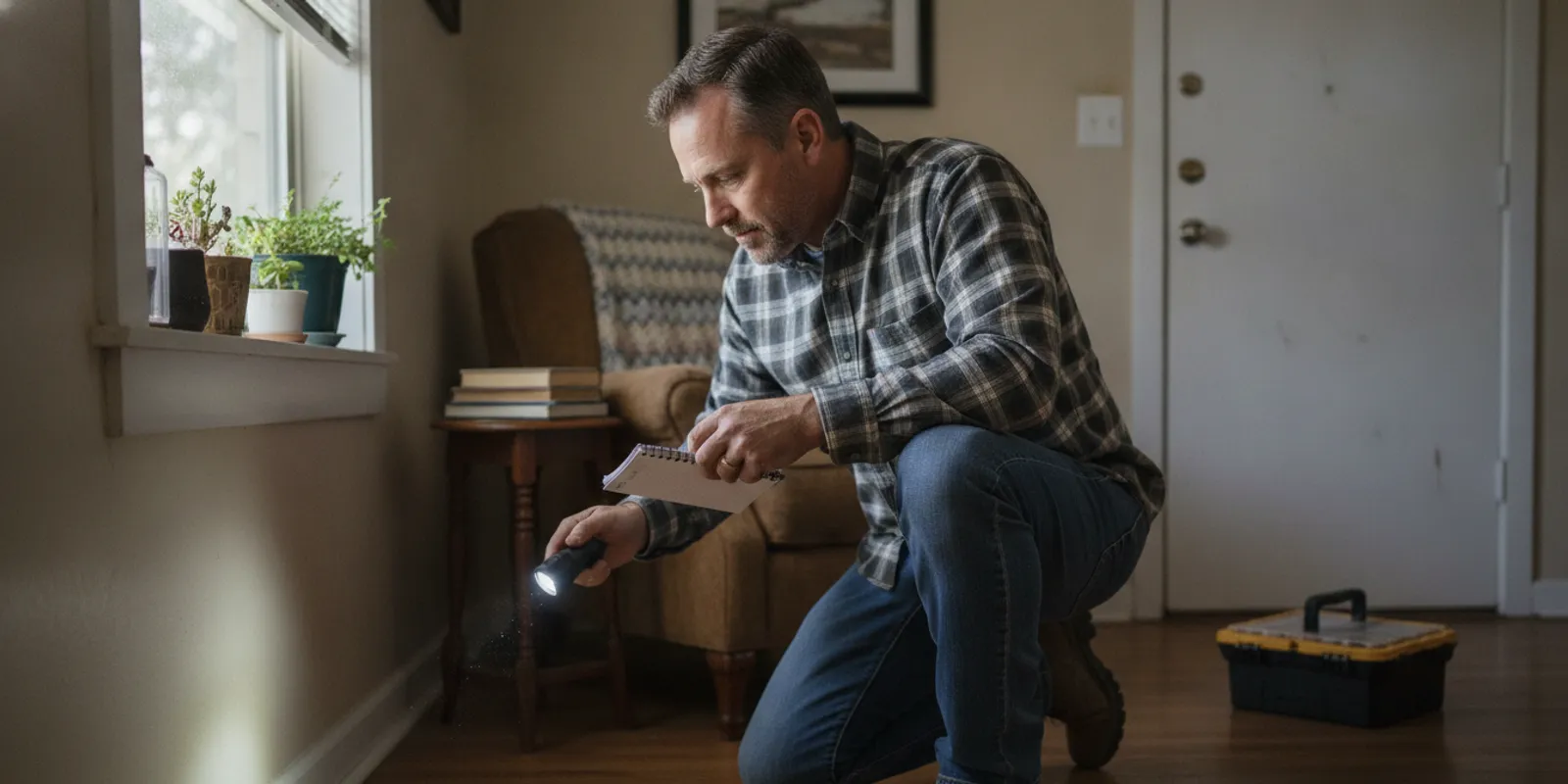
Visible evidence is the first question because an occasional insect does not automatically prove an infestation. Note the pest's appearance, the room or outdoor area, the time of day, and whether you see live insects, droppings, damage, nests, shed skins, or tracks. This record helps separate a one-time visitor from a pattern that deserves a closer look.
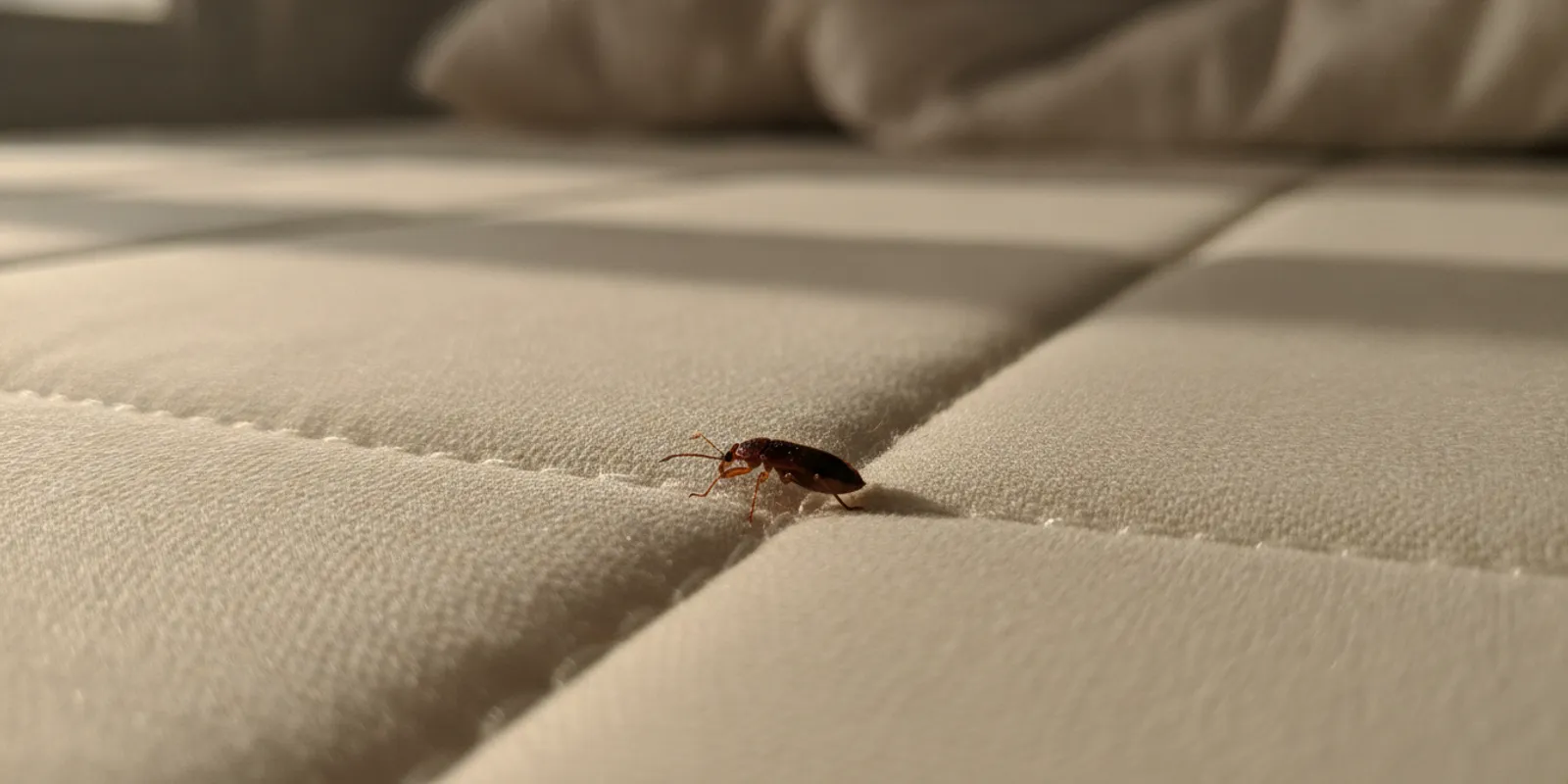
Take a clear photo from a safe distance if you can do so without disturbing a nest or contaminated material. Keep a simple activity log for several days: where you saw the pest, how many you noticed, and what changed before or after the sighting. If activity is increasing, spreading, or appearing after repeated cleaning or DIY treatment, an inspection may provide more value than another product.
2. Is the problem limited to one fixable condition?
Homeowners can often make meaningful progress by addressing conditions that attract or admit pests. A damaged screen, gap around a pipe, leaking fixture, uncovered trash, standing water, or accessible food can explain why activity is occurring. If one clear condition is corrected and monitoring shows the activity has stopped, professional treatment may not be necessary right away.
Do not assume every pest problem has one visible cause. Pests can enter through several openings, develop in concealed areas, or remain after the original condition is corrected. Repeated sightings around a kitchen, attic, crawlspace, wall void, or foundation may call for a more complete assessment. Pro Pest's pest control inspection guide explains why identifying activity and conditions comes before choosing a treatment.
3. Have DIY steps solved the problem or only changed what you see?
DIY pest control is most useful when the pest is correctly identified, the source is accessible, and the chosen step is appropriate for the labeled use. Cleaning, sealing, food storage, screen repair, monitoring, and removing standing water can all be reasonable parts of a plan. The question is whether those steps reduce the pattern without creating a new risk.
Repeatedly adding products can make diagnosis harder. Using an outdoor product indoors, applying more than the label allows, spraying around bait placements, or treating every room without locating activity may not address the source. Keep a list of products used and tell a professional what was applied. For a fuller comparison of homeowner steps and professional help, see Pro Pest's guide to DIY pest control.
4. Could delay make the situation harder to evaluate?
Some pest concerns deserve quicker attention because delay can allow activity to spread or hide important evidence. Signs of termites, persistent bed bugs, recurring cockroaches, rodents inside the home, a large stinging-insect nest, or damage to wood and stored items should not be judged by the same standard as an occasional outdoor insect.
This does not mean every sighting is an emergency or that a treatment is automatically needed. It means the cost of waiting includes more than another day without service: activity may move into less accessible spaces, household routines may be disrupted, or the original evidence may be harder to find. An inspection can clarify what is known, what is suspected, and what should happen next.
5. What should a pest inspection tell you?
A useful pest inspection should connect observed activity to a likely pest, location, entry route, conducive condition, and recommended next step. Pro Pest evaluates residential properties inside and outside before recommending targeted work. The inspection should also make clear what the homeowner can do, what the provider would do, and what remains uncertain.
Ask for explanations in plain language. You should understand:
Which pest or sign was identified, and what evidence supports that identification.
Where activity was found and whether an entry point, nest, moisture source, or food source was observed.
Which areas are included in the proposed work and which are not.
What preparation, access, cleanup, or follow-up the homeowner should expect.
How you will judge progress and when to report continued activity.
For termites, bed bugs, fleas, mosquitoes, bees, gophers, and other specialty concerns, the appropriate method depends on the finding. Pro Pest's service overview describes different inspection and treatment approaches rather than presenting one universal solution.
6. How should you compare one-time treatment with ongoing service?
One-time treatment and ongoing service answer different questions. One-time work may fit a defined issue with a clear scope, while recurring service may make sense when seasonal pressure, repeated entry, or regular monitoring is part of the homeowner's goal. Neither label tells you what is included, so compare the actual work and responsibilities in writing. For additional context, review how often pest control may be needed for different situations in Pro Pest's pest-control frequency guide.
Option | May fit when | Questions to ask |
Monitor and make repairs | Activity is limited and a clear entry or attractant can be corrected. | What evidence would show that the problem is returning? |
One-time inspection and treatment | A defined pest issue needs diagnosis or targeted work. | Which pest, areas, method, preparation, and follow-up are included? |
Ongoing exterior or recurring service | Activity or seasonal pressure returns and regular prevention is useful. | What visits cover, what is excluded, and how indoor activity is handled? |
Specialty evaluation | There may be termites, bed bugs, fleas, mosquitoes, bees, or gophers. | What finding determines the method and any return visit? |
Pro Pest's public residential process describes an interior and exterior inspection, targeted initial treatment when appropriate, and optional exterior follow-up. It does not publish a universal price, standard visit interval, or all-pests-included package. Ask for the scope that applies to your property instead of comparing plans by a headline price alone.
7. What should you ask before choosing a pest control company?
The right provider should help you make a scoped decision, not pressure you into a package before the problem is understood. Ask questions that reveal how the company diagnoses, communicates, and measures the work. A clear answer is more useful than a broad promise of permanent control or a guarantee that is not tied to written terms.
What did you identify, and what did you inspect to reach that conclusion?
What is the proposed treatment trying to address: the pest, the entry point, the nesting site, or a combination?
Which rooms, exterior areas, or structures are included?
What should I do before the visit, during treatment, and afterward?
What products or methods may be used, and where will they be applied?
What follow-up is recommended, and what would cause the plan to change?
Are any return-service terms limited to a specific pest, time period, or condition?
Does the proposed work fit my property and ZIP code?
The U.S. Environmental Protection Agency's integrated pest management principles describe a process built around monitoring, accurate identification, prevention, action thresholds, and appropriately selected controls. That framework is a useful way to evaluate whether a recommendation is connected to evidence rather than routine spraying.
What can you do before and after professional service?
Good preparation makes an inspection more useful and helps everyone understand the result. Write down recent sightings, move clutter away from areas that need to be inspected when practical, secure pets and children according to the provider's instructions, and mention any products already used. Do not disturb a nest, enter an unsafe crawlspace, or handle unknown materials just to collect evidence.
After service, follow the provider's written instructions and continue the property steps that address the source. Keep food sealed, repair leaks, maintain screens, reduce standing water, and report new activity with its location and timing. For a recurring plan, ask how progress will be assessed rather than assuming every visit has the same purpose.
Is pest control worth it if you only want prevention?
Preventive service can be worth considering when the property has a recurring exposure, a history of activity, or conditions that are difficult for the homeowner to monitor alone. Prevention should still be specific: identify what is being watched, why it matters, what the homeowner will do, and what would trigger additional work. A vague promise to prevent every pest is not a useful decision standard.
For homeowners in Sealy and the surrounding area, Pro Pest can use a free, no-obligation inspection request to learn about the property, pest, ZIP code, and desired one-time or ongoing service. Requesting an inspection is not a confirmed appointment or fixed-price quote; it starts a conversation about fit and scope. Visit the inspection request page to share the details, or learn more about residential pest control from Pro Pest.
Frequently Asked Questions
Is professional pest control better than DIY?
Professional pest control is not automatically better for every sighting. It can add value when the pest is uncertain, activity keeps returning, the source is hidden or inaccessible, or previous steps have not solved the pattern. DIY prevention and repairs may be enough when the cause is clear and the activity stops after the fix.
How do I know if I need pest control?
Look for repeated or increasing activity, signs of damage, pests in multiple areas, a hidden nest or entry point, or evidence that a correctly chosen DIY step did not work. A professional inspection can help determine whether treatment is appropriate instead of requiring you to guess from one sighting.
Is recurring pest control worth the cost?
Recurring service may be worth considering when seasonal pressure or repeated entry makes monitoring and prevention useful. Compare the written scope, visit purpose, exclusions, homeowner responsibilities, and follow-up terms. Pro Pest does not publish one universal cadence or price for every home, so the recommendation should match the property and concern.
What should I do before a pest inspection?
Record where and when you noticed activity, take a photo if safe, list products already used, and make key areas reasonably accessible. Follow any provider instructions about pets, children, food, or rooms. Do not disturb nests or enter unsafe areas to prepare for the visit.
Does one pest mean I have an infestation?
No. One insect may be an isolated visitor, while repeated sightings or related signs can indicate an ongoing condition. The pest type, location, frequency, damage, and surrounding conditions matter more than a single sighting by itself.
When you are unsure, start with evidence: what you saw, where it appeared, and whether a clear repair or prevention step changed the pattern. If the concern continues, Pro Pest can help you discuss the property and an inspection-led next step. Call (979) 885-6666 to get started.
Comments