How Often Should Pest Control Be Done in the Sealy Area?
If you are asking how often should pest control be done, the answer depends on what you are seeing, where activity is occurring, and whether the goal is to address a current problem or reduce the chance of repeat activity. In the Sealy area, a one-time treatment may suit a limited issue, while ongoing exterior service may make sense when activity returns or a homeowner wants continuing attention. There is no single visit interval that fits every home. An inspection helps determine what is happening and what follow-up, if any, is appropriate.
Should you choose a one-time treatment or recurring service?
Start with the outcome you need. A one-time treatment is focused on a current concern. A recurring arrangement is intended to provide follow-up attention over time. Neither choice is automatically right for every property, and recurring visits are not a substitute for identifying the source of activity or correcting conditions that allow pests to enter.
For a one-time service, think about a specific, recent change: you have noticed activity in a particular room, found signs in a defined area, or want a professional to assess a concern before deciding what to do. The appropriate work depends on the inspection findings and the pest involved. A single visit may address the immediate situation, but it does not promise that new activity can never occur later.
For ongoing exterior service, the question is whether repeated attention fits your property and your goals. Pro Pest describes residential work that may include an initial inspection and targeted treatment, with regular return visits available to re-treat the exterior. Interior treatment can be requested when there is an indoor problem. The company does not publish a universal standard visit frequency, so a schedule should not be assumed before the property and concern are discussed.
In practical terms, choose a one-time inspection or treatment when you have a particular issue to assess and want to understand the next step. Ask about ongoing exterior follow-up when you want repeated attention, have had recurring activity, or prefer not to wait until the next indoor sighting to ask for help. The inspection and conversation should clarify whether repeat visits are useful for your situation, rather than treating a fixed calendar as the answer.
Consider two examples. If you find a few insects near one doorway after leaving it open, document where you saw them and ask for an assessment if the activity continues or you cannot identify the cause. That situation does not automatically call for a recurring plan. If signs keep appearing in different areas, or the same concern returns after earlier attention, tell the inspector about the pattern and ask whether repeat exterior visits would address the conditions found. The difference is not simply the number of sightings; it is whether the evidence points to a continuing concern and whether ongoing exterior attention fits the proposed scope.
A useful way to compare the options is to ask what each next step is meant to accomplish. A one-time response is tied to the concern found now. A recurring arrangement adds planned opportunities to revisit relevant exterior areas, but it cannot guarantee that no pest will enter. If you are unsure, request an inspection first and ask the provider to explain the recommendation before you choose. You can also ask what change in activity would make the recommendation worth revisiting later.
Why is there no single pest-control interval for every home?
Frequency depends on several factors that vary from one property to another. The first is the pest and its pattern. A concern confined to one location may call for a different response from activity appearing in several places or returning after earlier work. Different pests have different habits and require different approaches, so a schedule suitable for one concern should not be applied automatically to another.
The second factor is where activity appears. Indoor sightings, activity around a doorway, and signs near the exterior foundation are useful but not interchangeable clues. A technician may need to inspect more than the exact spot where a pest was noticed. Entry points, nearby conditions, and signs of damage can help explain why activity is occurring and whether treatment should focus inside, outside, or on particular zones.
The third factor is the property itself. A home with accessible gaps, clutter near an entry, standing water, or stored materials in a problem area may present different conditions from a home without those features. These observations do not diagnose an infestation on their own. They help organize the inspection and identify practical changes that may support the treatment approach.
Finally, consider the purpose of service. Are you trying to address a problem that is already present? Do you want a professional to check conditions and recommend targeted work? Or are you looking for ongoing attention to the exterior? Those goals can lead to different recommendations. A useful schedule is one that follows the issue and the property, not a generic promise that every household needs the same number of visits.
Access and use of the home can also shape the conversation. A detached storage area, a frequently used patio, or a place where deliveries are left may create different observations than a seldom-used room. Tell the inspector which areas matter most to your household and whether access is limited by pets, stored items, or a tenant schedule. This does not determine a treatment plan by itself, but it helps the inspection focus on the locations where signs or concerns have actually been reported.
How can Southeast Texas weather affect timing?
Sealy’s Southeast Texas setting is part of the decision. Humidity and warm winters can mean that outdoor conditions do not follow the same sharp stop-and-start pattern people might expect in places with long, hard freezes. Some pest activity may continue during mild periods, while heat, rain, moisture, and changes in food or shelter can affect what is noticed around a home. The details differ by pest and property; weather alone cannot determine a treatment interval.
That is why a calendar rule such as “every home needs service every few weeks” is not a sound substitute for an inspection. A wet spell could change conditions around a particular yard, while another property nearby may have no meaningful activity. A warm stretch may make outdoor activity more visible, but sightings do not by themselves show how extensive the issue is or which treatment is appropriate. Use weather as context to observe and report, not as a diagnosis.
Pay attention to changes after periods of rain or prolonged warmth. Note whether activity is new, whether it is concentrated in one spot, and whether you see it indoors or outdoors. If moisture collects near the home, record where it happens and whether it persists. Do not assume that every insect sighting is caused by dampness or that treating the whole property is automatically necessary.
Seasonal habits can still help. Before a change in weather or a period when you expect to spend more time outdoors, take a walk around the home and look for obvious gaps, damaged screens, piles of leaves, or containers holding water. Keep a simple record of sightings rather than trying to infer a precise service cycle from the month. When you request an inspection, describe recent weather only insofar as it helps explain when activity started or changed.
A small observation routine can make those notes more useful. Once a week, or after weather that noticeably changes the yard, look at a few consistent places: the main doors, window screens, the foundation line you can safely see, and areas where water collects. Record the date and whether you noticed anything new. If the same spot looks unchanged, note that too. A short record of both activity and quiet periods is more informative than relying on memory when you discuss timing with a professional.
What should an inspection establish before a schedule is set?
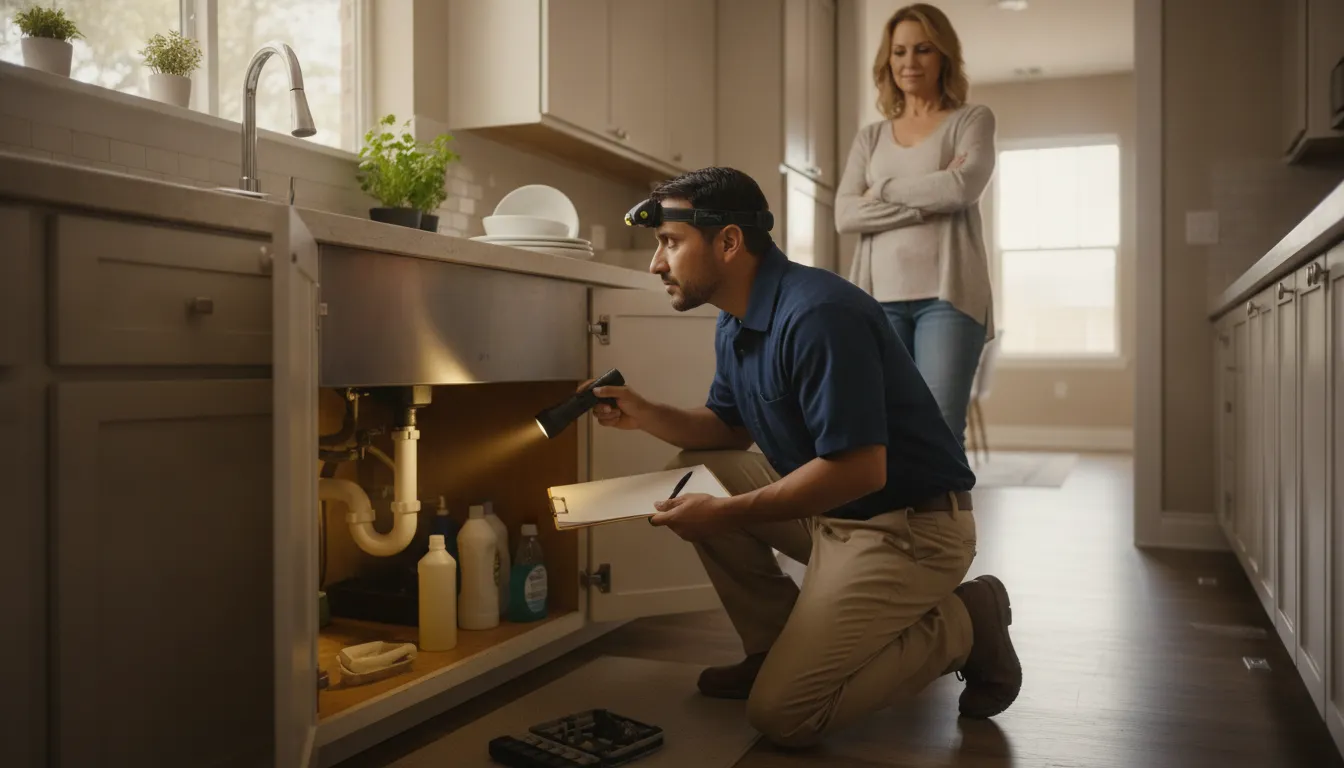
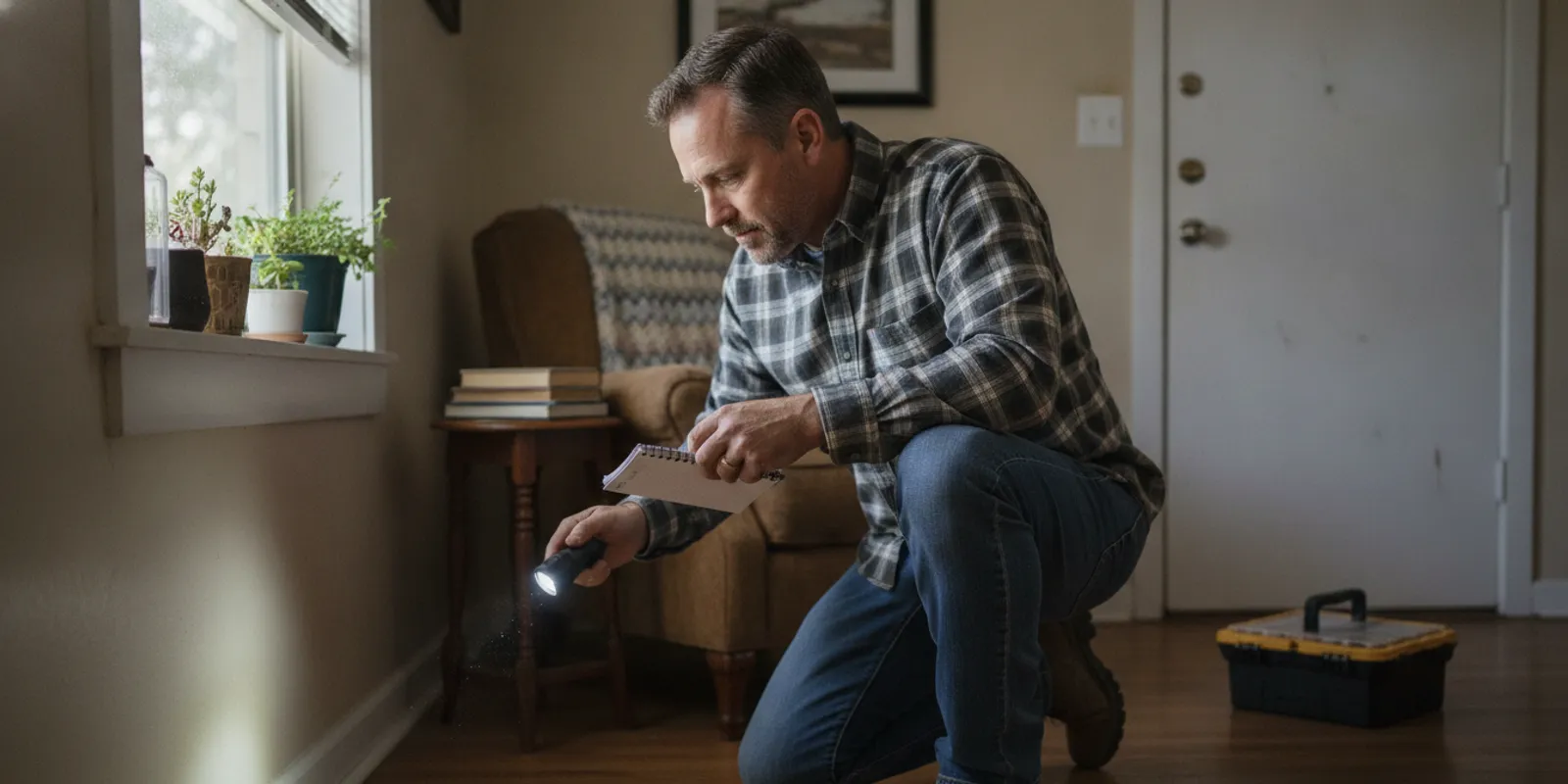
An inspection should be a fact-finding step. Pro Pest describes checking inside and outside for pest activity, damage, conditions that may attract pests, and possible entry points. The findings help determine whether a targeted treatment is appropriate and where it should be directed. A free, no-obligation inspection is an invitation to request an assessment; submitting a request does not itself confirm an appointment or provide a fixed-price quote.
Before making a recommendation, the useful questions are concrete. What pest or signs have you noticed? Where and when did you find them? Is the activity ongoing or was it a single sighting? Have you seen damage? Have you already tried anything, and did the pattern change? What areas of the property concern you most? Answers help distinguish a clearly located concern from one that needs a broader look.
The inspection also gives you a chance to explain your preference. You may want help with an immediate indoor concern, a focused exterior treatment, or information about returning exterior visits. If you are unsure whether you want one visit or ongoing attention, say so. The point of the assessment is to understand the conditions and discuss relevant options, not to presume that you have already chosen a recurring arrangement.
For more information about the residential service process, see Pro Pest’s residential pest-control page. For an overview of the wider service offering, visit the pest-control services page. These pages can help you frame your question, but the inspection findings and service discussion are what matter for your property.
To make the visit more productive, prepare a brief account rather than trying to diagnose the pest yourself. List the first date you noticed signs, the rooms or outdoor spots involved, and whether the activity has moved or changed. If you have a clear photograph, keep it available, but do not handle an unknown insect or disturb a suspected nest to get a better view. Mention any previous treatment or household product you have used, including roughly when you used it, so the inspector has relevant context.
You can also make access straightforward. Identify the places where you have seen activity and move ordinary items only when it is safe and practical to do so. Do not dismantle structures, reach into hidden spaces, or clean away a sign that may be useful before documenting it. If a room, crawl area, or other location is inaccessible, explain that limitation. A clear account of what could and could not be inspected helps keep recommendations tied to the evidence available.
When might one visit be enough to start?
A one-time visit can be a reasonable starting point when you have a distinct concern and want it assessed without committing to a routine schedule. For example, you might have noticed activity in one room, around a particular doorway, or near a section of the exterior. Explain what you saw and when. A professional can inspect the conditions, determine whether targeted treatment is appropriate, and discuss whether any follow-up is recommended.
One visit is also a practical choice when you are gathering information. You may not know whether the signs indicate an active problem, whether the pest is entering from outdoors, or whether a change to the property could help. An inspection can give you a clearer basis for deciding what to do next. The service should address the findings, not assume a continuing schedule before the initial concern is understood.
However, “one-time” should not be interpreted as “the issue can never return.” New activity can occur after a treatment, particularly if the conditions that supported entry or activity remain. The result also depends on the pest and the work recommended. Ask what was addressed, what signs to monitor, and what change would warrant another call. Clear follow-up guidance is more useful than an unsupported promise of permanent prevention.
If the same signs return or spread, note the location and timing and contact the provider to discuss what has changed. A return sighting does not automatically prove that the original treatment failed; it is information that may call for a new assessment. Conversely, you do not need to wait for a large problem before asking what a recurring pattern means.
After a one-time visit, set a simple review point based on the guidance you receive rather than selecting an arbitrary interval. For example, keep your sighting log and compare it with the conditions described during the inspection. If activity stops, continue ordinary checks without assuming that another treatment is required. If it persists, appears in a new area, or includes signs of damage, share those specifics and ask whether the original assessment should be updated.
When should you ask about recurring exterior visits?
Recurring exterior attention may be worth discussing when you have repeated activity, want ongoing monitoring and treatment of relevant exterior areas, or prefer a planned way to revisit conditions rather than responding only to indoor sightings. Pro Pest describes optional regular return visits to re-treat the exterior. That is different from saying every customer must enroll, that service happens at a standard interval, or that interior visits are automatically included each time.
Before agreeing to repeat visits, clarify the details that matter to you. Ask what areas are considered, what conditions would affect the approach, whether interior treatment is available if a problem occurs indoors, and how to request it. Confirm the proposed timing directly with the company. Public information does not set one standard residential cadence, so this article cannot responsibly prescribe monthly, quarterly, or any other fixed interval for every Sealy-area home.
Also consider whether the repeat service matches the pattern you are experiencing. If the concern is limited to one issue with a specific service process, an ongoing general exterior arrangement may not be the relevant answer. Some services have their own documented timing. Flea service, for instance, includes a second treatment 7–10 days later. Mosquito work may be scheduled about every 21 days or once before an event. Those are service-specific descriptions, not a general schedule for all pest control.
Choosing recurring visits should be an informed decision, not a response to a vague fear that pests will inevitably appear. Ask the provider to explain why repeat work is being suggested for your findings and what its scope is. If the reason is unclear, ask for clarification before deciding. You should understand whether the recommendation is based on observed activity, a particular service’s follow-up needs, your stated preference, or a combination of those factors.
Ask for the proposed service scope in plain terms. Which exterior areas would be revisited? What does a return visit include, and what would lead the technician to adjust the work? If you notice an indoor issue between visits, whom should you contact and how is that request handled? These questions are about understanding the arrangement, not seeking an unpublished guarantee or a fixed plan price. Write down the answers so you can compare the plan with your actual needs later.
How do you tell whether activity calls for follow-up?
Watch for a pattern rather than reacting to every isolated sighting. Keep a short log with the date, location, approximate number of pests or signs, and any relevant change in weather or household conditions. A photo can help document what you saw, provided you can take it without touching an unknown pest or putting yourself at risk. Note whether the problem is indoors, outdoors, or at a transition such as a window or door.
Look for changes that add useful context. Are signs appearing in a new area? Are they becoming more frequent? Is there visible damage? Did activity continue after an inspection or treatment? Have repairs, storage changes, or a leak occurred? The answers help a provider understand what follow-up may be needed. They do not let a homeowner determine treatment requirements from sightings alone.
Do not apply extra products or combine treatments simply because you have not seen an immediate change. The service approach depends on the pest and product details, and the packet does not establish a product-specific waiting period or preparation instruction for every situation. Follow any instructions provided for the service and ask the provider if you are uncertain. For general information about pesticide regulation and safety, consult the U.S. Environmental Protection Agency. Avoid moving or disturbing suspected pest activity if doing so would expose you to a bite, sting, or other hazard.
When you contact Pro Pest, share your observations and ask whether the pattern warrants another inspection, a targeted follow-up, or simply continued monitoring. A request is a starting point for that conversation; it is not confirmation of a visit. You can use the inspection request form to provide your contact details, ZIP code, preferred date, service interest, and comments.
It helps to separate a change in activity from a change in visibility. A pest seen during daylight, for example, may be easier to notice because a door or window was open, but that observation alone does not establish the source or scale of the concern. Record what you directly observed without attaching a cause. Include details such as whether the entry was open, whether food or materials were moved nearby, or whether you saw the same signs on another day. This keeps the follow-up conversation specific and avoids treating assumptions as findings.
What can you do between visits?
Basic observation and housekeeping can make it easier to notice a change and can reduce avoidable conditions around a property. Walk around the exterior periodically. Look at door sweeps, screens, utility openings, and visible gaps that might provide an entry route. Keep vegetation and stored items from concealing areas you want to inspect. Remove leaf litter and other debris where practical, and avoid leaving containers that collect water. These are general maintenance steps, not a guarantee that pests will stay away.
Indoors, keep food stored in closed containers, clean spills, and pay attention to damp areas or leaks. Check storage spaces and rarely used rooms occasionally, especially if they have had a previous problem. If you find signs, record the location before cleaning or moving items, unless immediate cleanup is needed for health or safety. A clear description helps the inspection focus on the right area.
Do not seal an opening or discard an item if you suspect that doing so could trap a pest inside a wall or spread activity to another area. If you see damage or are not sure what a sign means, ask for guidance. Also avoid assuming that a home maintenance step replaces a treatment when the inspection identifies an active issue. Physical prevention and professional service can play different roles.
For households considering ongoing service, keep the same observations between return visits. This gives you a way to compare what has changed without treating a calendar interval as proof of success or failure. Share recurring indoor sightings even if the usual attention is exterior. Pro Pest describes interior treatment on request when an indoor problem occurs, so make the situation known rather than assuming an interior visit is automatic.
A useful between-visit checklist is brief enough to repeat. Note any new sightings and their location; check the same visible entry points; look for changes in moisture, debris, or stored items; and record repairs or other changes made since the previous inspection. If you manage a household with other occupants, ask them to report the date and place of a sighting instead of simply saying that they saw “more bugs.” Specific notes make it easier to distinguish a recurring pattern from a single event.
Keep any service instructions where everyone in the home can find them. If someone else handles cleaning, maintenance, or access to the property, make sure they know which observations to report and whom to contact with questions. Do not invent your own treatment steps from a general checklist. The aim between visits is to observe, maintain the property in ordinary ways, and communicate relevant changes—not to add unapproved products or work around the service guidance you received.
What should homeowners ask before choosing a schedule?
A few direct questions can make the choice easier and help prevent mismatched expectations. Ask what the inspection found, which areas are affected, and what evidence supports the recommendation. Then ask what a one-time treatment would address and what additional purpose repeat exterior visits would serve. If the suggestion is recurring service, ask how the proposed timing is determined for your property.
Which pest or signs were identified, and where?
What areas would be treated, and would the work be inside, outside, or both?
Is the recommendation for one visit, a service-specific follow-up, or optional ongoing exterior attention?
What should I watch for after service, and what change should prompt another contact?
How can I request interior attention if an indoor problem appears?
What preparation or safety instructions apply to the particular service being discussed?
Which ZIP code and property details should I provide to confirm whether service is available?
These questions are useful for homeowners and for people coordinating service in a rental or shared property. If you rent, check who is responsible for authorizing service and arranging access before scheduling. If several people use or manage the property, share the inspection findings and agreed follow-up so everyone knows what to report. Do not assume that a property manager, tenant, or owner has already communicated the same details.
Pro Pest serves from its Sealy base and describes the service area as Sealy and surrounding communities. Houston and Katy are target markets, not proof that every address is eligible. Provide your ZIP code and property type when requesting an inspection so service availability can be discussed for your specific address. Learn more about the company’s local background on the About Pro Pest page.
Before you finalize a recurring arrangement, summarize your understanding back to the provider: the concern identified, the areas covered, whether the visits are optional, and how to request attention for an indoor issue. This simple check can reveal an assumption before it becomes a disappointment. If another person is responsible for access or payment decisions, include that person in the conversation or share the confirmed details with them. Clear expectations are especially helpful when a property has more than one decision maker.
How should commercial property owners think about frequency?
Commercial properties need a separate conversation from a single-family home. The right approach may depend on the type of building, the pest concern, the areas affected, access, and the operating needs of the business. A restaurant, office, warehouse, hotel, or apartment property does not have the same layout or priorities. Do not transfer a residential schedule to a commercial site without an assessment.
Start by identifying the property type, the areas where activity has been observed, and whether the concern is ongoing or newly noticed. Record when staff or tenants saw signs and whether there are repeated reports in the same location. A manager can also note relevant access limitations and the best point of contact for arranging an inspection. These details help make the first discussion specific without presuming a standard contract, service cadence, or response time.
Ask what inspection and treatment scope is being considered, how follow-up would be handled, and what the business should report between visits. Confirm operational details directly with the provider. Pro Pest’s public commercial information identifies several business and property categories, but it does not publish universal visit intervals, contract terms, or a service-level agreement for every type of operation. Those details should be established for the actual property rather than inferred from general marketing.
For an overview of commercial pest-control services, see Pro Pest’s commercial pest-control page. When requesting information, state the business type, ZIP code, concern, and whether you are considering a single service or ongoing attention. That makes it easier to determine whether the property is in the service area and what information is needed next.
For a multi-unit or multi-use site, gather observations by area instead of combining everything into one broad report. A manager might record which floor or room was involved, when the report came in, and whether other occupants noticed the same issue. For a business with operating hours or restricted access, explain when an inspection could take place and which rooms need coordination. This information supports a practical discussion of scope without implying that every commercial site receives the same service process.
Keep residential and commercial expectations distinct. A homeowner asking about optional exterior returns is making a different decision from a property operator arranging access and follow-up across a business site. Neither the residential description nor the public commercial page establishes a universal cadence. Ask for the details that apply to the building and have the provider clarify how observations between visits should be reported.
What is the practical way to decide?
Use a simple sequence. First, describe the current evidence: what you saw, where it appeared, and when. Second, request an inspection so conditions and possible entry points can be assessed. Third, compare the recommendation with your goal. If the issue is isolated, begin by asking what one-time targeted work would address. If activity repeats or you want regular exterior attention, ask whether return visits make sense and how the timing would be set.
Fourth, clarify what follow-up means. Some services have a stated second visit or repeat pattern; those service-specific details should not be treated as the general pest-control schedule. For residential service, regular exterior returns are optional, and interior treatment is on request when an indoor problem occurs. Fifth, monitor the results and report meaningful changes. This keeps the next decision grounded in what is happening at your property.
The main point is that “how often” should follow the inspection, pest, property, and service goal. Southeast Texas humidity and warm winters provide useful context, but they do not create a one-size-fits-all timetable. One-time service may be a sensible first step for a defined concern; ongoing attention may suit a recurring pattern or a homeowner who wants repeat exterior treatment. Ask the provider to explain the schedule for your findings before deciding.
Frequently asked questions
Does every home in Sealy need pest control on a set schedule?
No universal schedule is published for every home. The appropriate timing depends on inspection findings, pest activity, property conditions, and whether you want one-time help or optional ongoing exterior attention. Ask how the recommendation applies to your address.
Does recurring service automatically include interior treatment?
No. Pro Pest describes regular return visits to re-treat the exterior, with interior treatment available on request when there is an indoor problem. Confirm the scope and how to request interior attention when discussing service.
Can weather tell me when to book pest control?
Weather can be context, but it does not set a reliable visit interval by itself. Humidity and warm winters can influence local conditions, while the pest, property, and signs of activity determine what needs to be assessed. Report when activity starts or changes and request an inspection if you are concerned.
Does a one-time treatment mean pests will not return?
No. A visit can address the findings at that time, but new activity may occur later. Ask what was treated, what signs to monitor, and when to contact the provider again. Do not interpret a single service as a promise of permanent prevention.
For a useful decision, begin with the activity you can observe and let an inspection guide the next step. Pro Pest can discuss whether a one-time response or optional return visits fit the conditions at your Sealy-area property.

Comments