How To Get Rid Of Pantry Moths
If you are wondering how to get rid of pantry moths, start by finding the source instead of treating every room. An adult moth can be seen away from the package or storage area where activity began. A focused check of dry goods, careful removal of food with convincing signs, and thorough cleanup are practical first steps.
What should you do first after seeing a possible pantry moth?
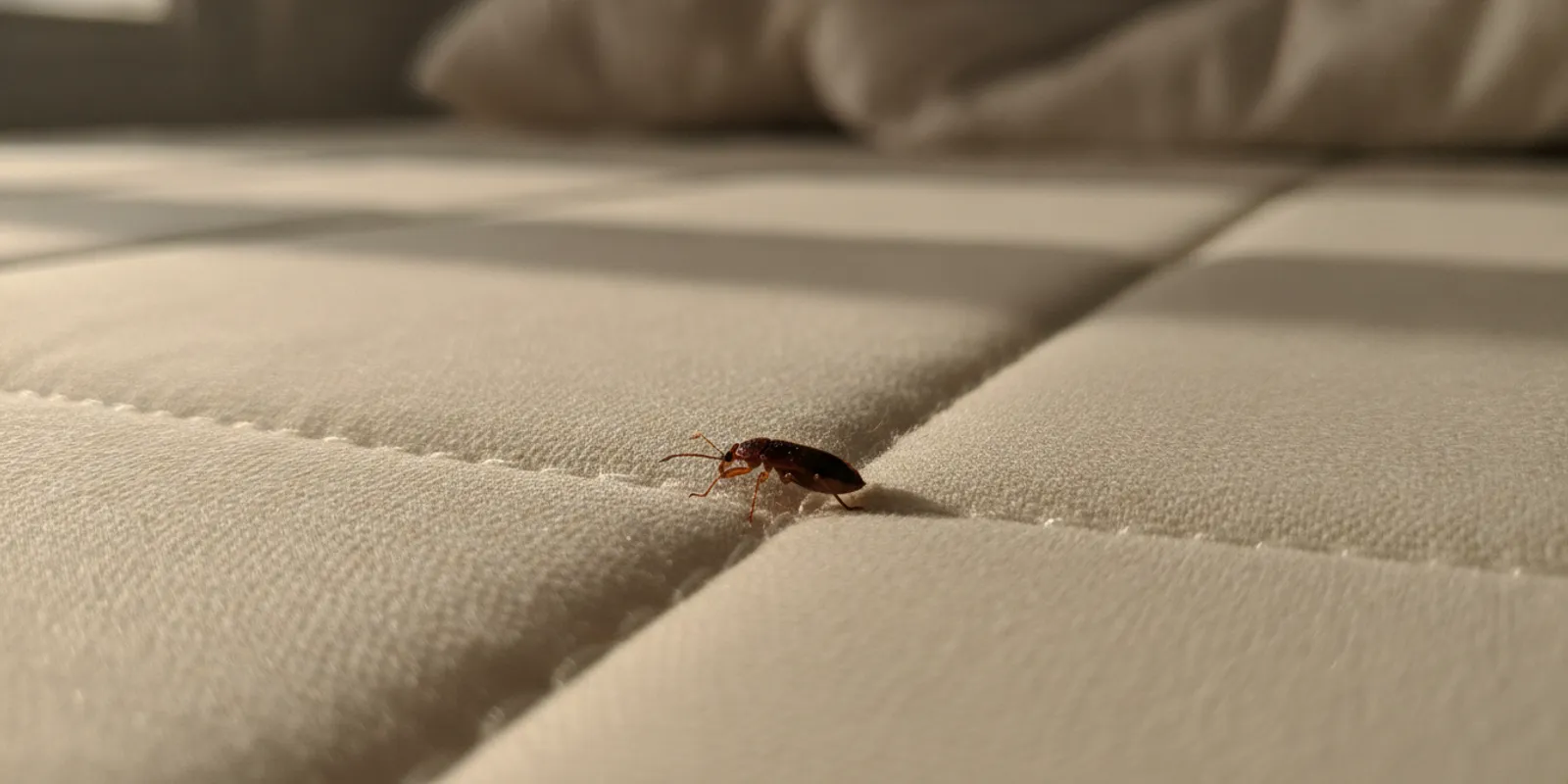
Pause before spraying, moving food around, or emptying every cupboard. One flying insect is a reason to look, not proof that all stored food is affected. Pantry moth larvae may be inside a package, while adult moths can appear elsewhere in a room. The goal of the first check is to establish whether there is a repeat pattern or direct evidence in stored goods.
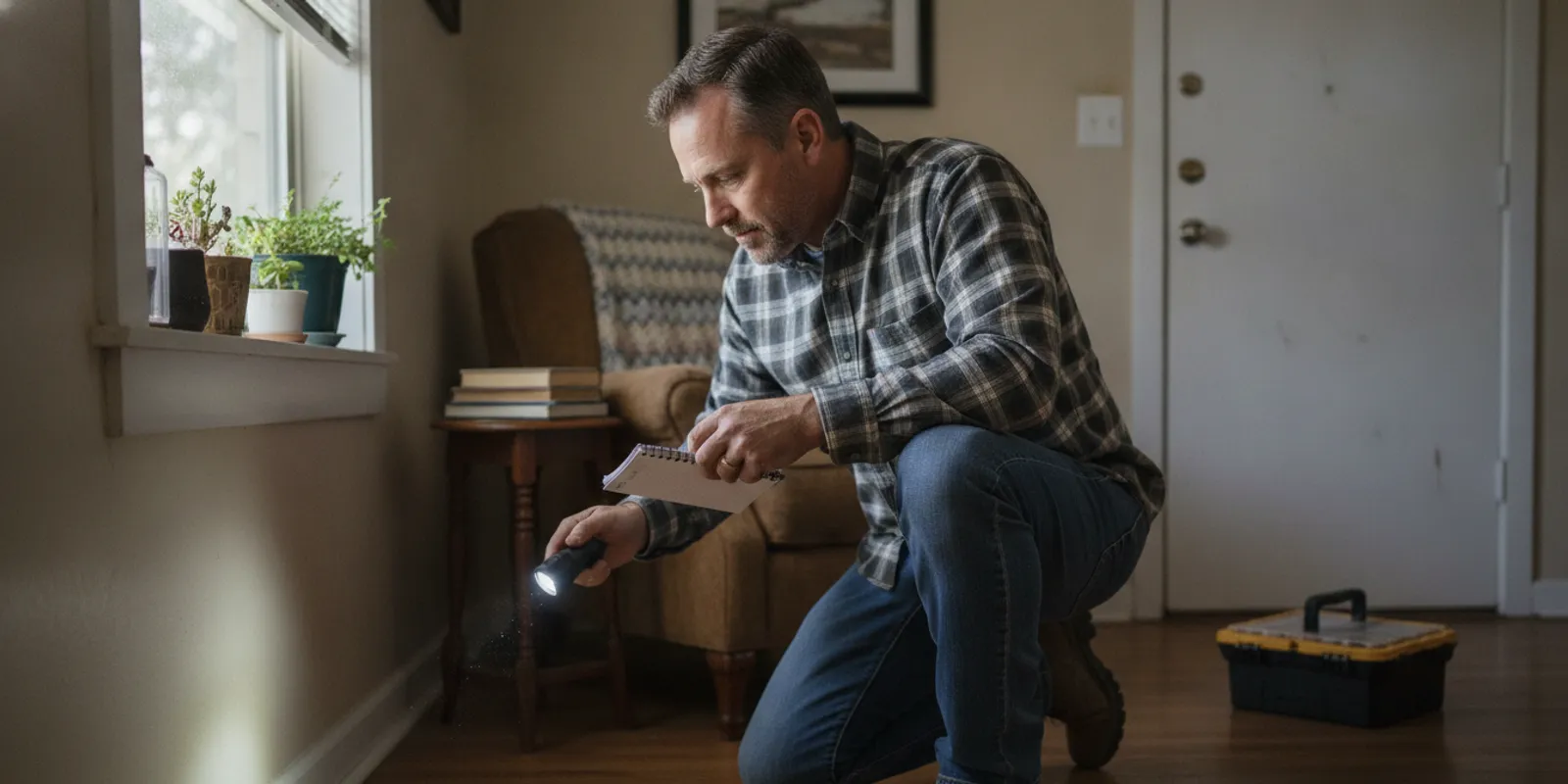
Make a quick note of the date, room, and exact spot where you saw the insect. Was it near a pantry door, cupboard, window, light, or bag of pet food? If you can observe without touching it, note whether it was resting or flying. A clear photograph can be useful later; do not handle an insect simply to get a picture.
Check the storage area nearest to the sighting, including dry-food cupboards and shelves used for pet food or birdseed.
Look for webbing, larvae, shed skins, unusual clumping, or damage around a package fold or seam.
Set questionable packages aside in a closed bag or bin while you inspect. Avoid carrying an open package through the home.
Inspect one shelf at a time, so you can track what was checked and avoid mixing suspect and unaffected goods.
A repeat pattern near stored food or signs inside packaging tell you more than a single moth in an open room. For a general overview of what a pest-control visit can include, read what to expect during a pest-control inspection.
How can you tell whether stored food may be involved?
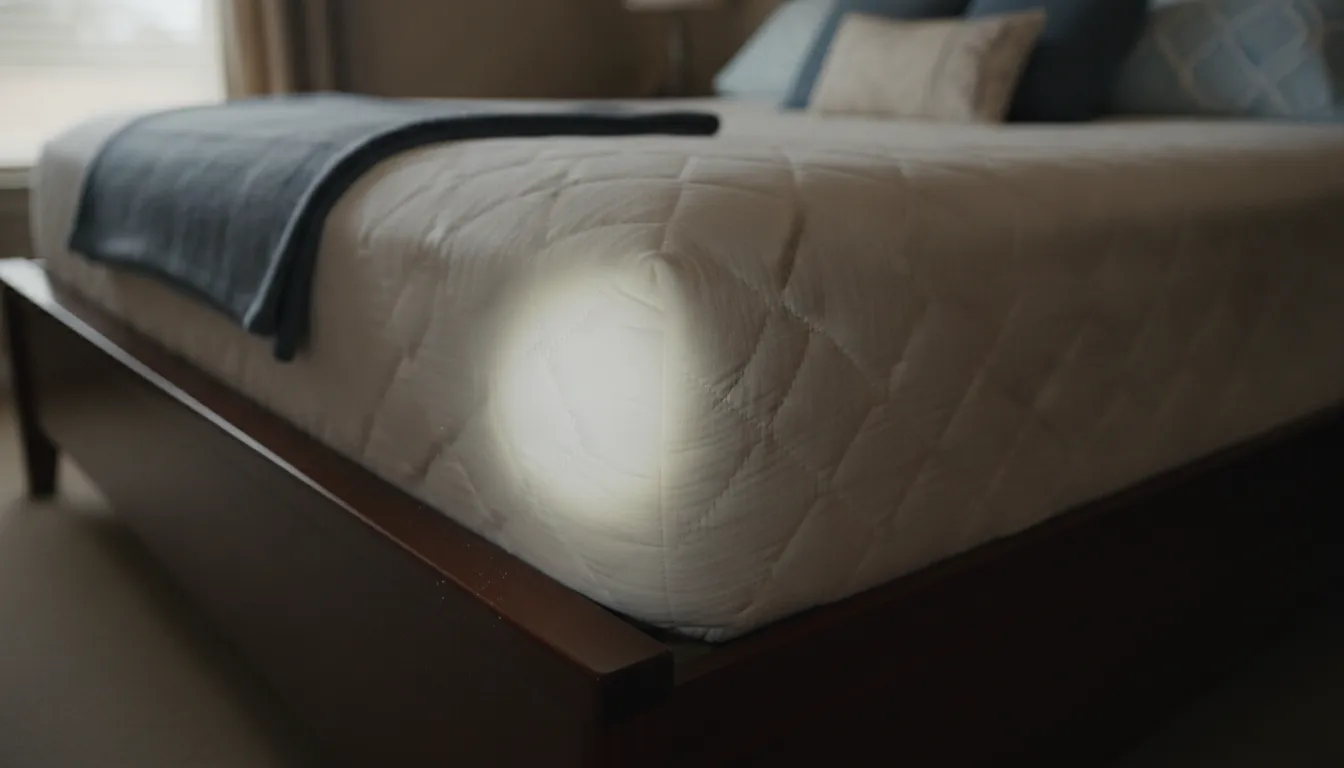
Look closely at both open and unopened packages. Small holes, torn edges, webbing or silk-like threads, larvae, shed skins, and food that has become oddly clumped can all be reasons to examine an item more carefully. Check folds, seams, corners, and the area beneath a bag's closure. Thin cardboard, paper, or flexible packaging may not be as easy to inspect as a rigid, transparent container.
Work through shelves in a consistent order. Remove a few items, place them on a clean counter or tray, and inspect the outside before opening anything. Check the contents in good light if the package is already open or if signs warrant closer examination. Then return only intact items to a clean, dry area. This one-shelf-at-a-time approach makes it easier to identify which food was near any evidence.
Include dry goods that are easy to overlook: flour, grains, cereal, pasta, nuts, dried fruit, spices, baking ingredients, and treats or food for pets and birds. This is a checklist, not a claim that every category is infested. Look at packages stored beside or above a suspicious item as well. A small spill under a shelf or crumbs inside a cabinet joint can also be worth cleaning, even when there is no clear sign of insects.
Do not assume that a sealed-looking package is necessarily untouched; inspect the folds and seams. At the same time, a stain, tear, or dust by itself is not a reliable diagnosis. If you cannot identify what you are seeing, keep the item separate, take a photograph, and compare it with the rest of the evidence rather than treating a vague mark as proof.
What should you do with food that has signs?
When you find larvae, webbing, or other convincing evidence in a food package, seal the package inside a bag before putting it in an outdoor trash container. This keeps the material contained while you remove it from the pantry. Do not sift visibly affected food, transfer it to a clean jar, or use it as animal feed. Clean any surface where the package rested.
If a package is suspicious but there is no clear evidence, isolate it while you inspect the surrounding shelf. Look again in good light and check the contents without spreading them across the kitchen. If uncertainty remains, discarding an inexpensive item may be the simpler choice. There is no need to throw out every dry good in the home when there is no evidence in those packages.
After removing an affected item, inspect nearby goods one by one. Keep them separate until the shelf check is finished. Do not combine contents of an old package with a new one: doing so makes it harder to tell which package was involved and can spread a problem if one item was compromised. If the product has a label with handling or disposal directions, follow them.
Keep food away from any pest-control product. A pesticide is not a way to make questionable food usable. For product-use precautions, consult information from the U.S. Environmental Protection Agency and always follow the directions on the specific product label. The label determines where a product may be used and what precautions apply.
How should you clean the pantry after checking it?
Once suspect food has been removed, clear the affected shelf so you can reach its edges and joints. Vacuum corners, shelf-pin holes, cracks, cabinet seams, and places where shelves meet the wall or side panel. If the shelf has a liner, remove it if it is torn, sticky, or difficult to clean. Empty the vacuum promptly into a sealed bag and take that bag outside.
Wipe shelves and nearby surfaces with an appropriate household cleaner, then allow them to dry before returning food. Read and follow the cleaner's directions, and do not mix cleaning products. Pay special attention to crumbs under containers and along the back edge; wiping only the open center of a shelf can leave debris in the spots that are harder to see.
Clean containers before refilling them, including lids, rims, and grooves where food residue can collect. Wash or wipe a reusable bin according to its material and let it dry fully. Replace a container if its lid no longer closes well or if cracks make it hard to clean. Do not place food back on damp surfaces or in containers that still have residue.
Clean adjacent shelves if the affected package was stored among other goods, but keep the task organized. Work from the most likely source outward: the shelf with signs, neighboring shelves, then nearby cupboards used for dry food. If inspection shows no signs farther away, there is no need to clean every cabinet in the house as though an infestation were confirmed everywhere.
A spray is not a substitute for removing the source or cleaning crumbs and webbing from a crack. Avoid applying insecticide to food, dishes, utensils, or food-contact surfaces. Do not use a product inside cupboards unless its label specifically allows that use and you can follow all directions. See how a source-first check can help with another stored-food pest concern.
How can you store dry goods so they are easier to check?
After shelves and containers are dry, consider moving susceptible dry goods into clean, tightly sealed containers made for food storage. A rigid clear container can make it easier to see what is inside and to notice a change, while a fitted lid helps keep the contents contained. Choose containers that are practical for the amount and type of food you use; a large bin that is awkward to clean may not make routine checks easier.
Close food packages and storage-container lids after each use.
Wipe spills and crumbs as soon as you notice them, including beneath containers.
Leave enough space on shelves to see package seams and reach the back corners.
Store pet food and birdseed in clean, sealed containers, away from pantry supplies when practical.
Check new dry goods before placing them beside older supplies.
Use older items first when it suits your household, and keep containers labeled if that helps track contents.
These habits make storage easier to inspect; they do not guarantee that pests cannot enter a home. A package may already contain hidden activity when it arrives. If you find signs in a new item, keep it apart, document the packaging and contents, and check other items that were stored beside it.
Try not to overstock a shelf while reorganizing. Stacking bags tightly can hide the seams and surfaces you need to inspect, and it can make a small spill difficult to spot. A simple arrangement—frequently used foods together, less-used supplies visible, and pet food kept distinct—can make follow-up checks faster without requiring a major pantry renovation.
What if the insects are around houseplants or windows?
A small flying insect in a kitchen is not automatically a pantry moth. If activity gathers around houseplants, drains, windows, or lights instead of stored food, note that pattern separately. Do not apply pantry remedies or discard food based only on insect size or color. Different insects can look similar at a glance, and the right next step depends on identification and where activity is concentrated.
Observe where insects appear and whether they are seen when a cupboard is opened or when food is handled. Check for direct signs in packages rather than relying on where a single adult landed. Take a photograph from a safe distance if possible. Record whether sightings cluster in one room or move between locations, and keep that note with food-package observations.
If you find no evidence in stored goods after a careful check, do not repeat the same full cleanout every day. Keep an eye on the suspected area and check the cupboard again if there are new sightings. A location pattern and physical evidence can help someone assessing the issue distinguish a pantry source from another indoor insect.
Could a pantry moth have come in from outside?
It is possible to see an adult moth indoors without knowing where it originated. The more useful question is whether there is ongoing activity connected to stored products or a repeat pattern around pantry shelves. One insect near a window, with no signs in food and no further sightings, does not establish a pantry infestation.
Keep a short log for a week or two if you are unsure. Record the date, room, precise location, number seen, and whether you found any package signs. Note whether the pantry had been opened or food moved shortly before the sighting. Recheck the same shelves on a manageable schedule, such as during regular kitchen tidying, rather than inspecting every few minutes.
If activity continues, expand the search to nearby cupboards, food storage, pet supplies, and other dry products. Look for a source rather than assuming the first shelf you cleaned was the only possible location. If you move a suspicious package, contain it before carrying it so food fragments or insects are not scattered between rooms.
How do common sighting patterns change your next step?
Use the pattern to decide how broad your next check should be. The table is a guide to observations and reasonable follow-up, not a diagnosis or a promise that a particular action will end all activity.
What you observe | Useful next step | What it does not prove |
One moth near a window, with no food signs | Record its location, inspect nearby dry-food storage once, and monitor for another sighting. | It does not confirm a pantry infestation or identify a source. |
Repeated moths close to one cupboard | Inspect stored goods on that shelf and nearby shelves, including package seams and cabinet joints. | It does not identify the exact package unless you find direct evidence. |
Webbing or larvae inside a food package | Seal and discard that food, clean the shelf, and inspect nearby packages individually. | It does not mean every item in the kitchen is affected. |
Activity with pet food or birdseed nearby | Inspect those products and their storage containers as well as human food. | Proximity alone does not prove that the pet food is involved. |
New sightings after a cleanup | Review your log, inspect other stored products and crevices, and document where activity persists. | It does not establish which treatment is appropriate or that a pesticide is needed. |
How should you monitor after the first cleanup?
Keep the pantry tidy and revisit the shelf where you found signs, along with nearby storage checked during cleanup. Look at container edges, corners, seams, and the same cabinet joints. A brief, repeatable check is more useful than a one-time deep clean followed by no observation. Continue to record the date and location of any new activity.
If you choose to use a monitoring trap, follow its label and place it away from food-preparation surfaces and where children or pets cannot reach it. A trap may help you notice continued adult activity, but it does not remove a source inside a package. A catch by itself may not identify the insect or show exactly where it originated. Pair trap observations with a check of packages and storage locations.
Compare what happens over time. Are sightings less frequent after removing a package? Are they still concentrated around the same shelf? Are there new signs in a different cupboard? Those answers guide the next inspection. If there are no further sightings and no new signs, maintain clean, sealed storage and routine checks. If activity continues, broaden the source search rather than repeatedly wiping only the visible shelf.
Keep records factual. Write down what you saw and where, not what you assume caused it. For example, “two small moths near the lower pantry shelf on Tuesday; no visible package signs” is more useful than “the cereal is infested” when no evidence has been found. If you later request help, the log and photographs can help explain the sequence of events.
What pesticide mistakes should you avoid?
Do not spray food, food containers, dishes, utensils, or food-contact surfaces. Never use a pesticide in a way its label does not permit. A product described as natural or botanical is not automatically suitable for every person, pet, food, or surface. Follow the product's placement, ventilation, cleanup, and re-entry directions, and keep children and pets away as instructed.
A fogger or broad household treatment can be a poor shortcut when the possible source is inside a package or tucked into a cabinet joint. Applying a product without identifying the pest and source may leave the underlying issue unaddressed. Start with inspection and removal of food that has clear signs. If considering a pest-control product, read its full label first and confirm that its permitted use matches the location and target.
Do not mix cleaning products or use a pesticide and household cleaner together unless their labels explicitly direct that use. Store all products in their original containers and follow disposal instructions. Federal pesticide information is available from the EPA; the product label remains the source for directions and precautions specific to the item in your home.
If you are unsure what insect you have, avoid selecting a product based on a quick guess. Photograph the insect or signs, note where activity occurs, and seek identification or an inspection. You can also compare the source-first approach with guidance on identifying and managing a different indoor pest, but do not assume the same methods apply to pantry moths.
What changes at a business or shared property?
At a restaurant, office, apartment building, warehouse, or other shared property, document the location and notify the person responsible for food or building operations. Record the room, storage unit, date, and whether products are shared or individually owned. Keep suspect goods separated and follow the property's food-handling and pest-management procedures. Avoid moving unsealed goods from one storage area to another.
Separate residential and commercial concerns. At home, one household may be able to inspect its own pantry shelf by shelf. In a business or managed property, multiple cabinets, deliveries, storage rooms, tenants, or staff may be involved. A clear log should distinguish where activity was reported from where someone has actually found signs. Do not discard another person's goods or apply a product in a shared area without the responsible manager's direction and the product's permitted use.
For food businesses, coordinate any cleaning or pest response with the person responsible for food safety and the property's established procedures. Keep potentially affected food away from preparation and service areas while the concern is assessed. Do not make an unsupported conclusion about contamination from a moth sighting alone; document what was observed and follow the applicable business process.
Commercial inspection and service planning depend on property type, pest, storage conditions, and locations involved. Pro Pest lists commercial pest-control information for several property types; learn more about commercial pest-control service. For a home, see residential pest-control information. Availability for a particular address should be confirmed rather than assumed.
When can an inspection help?
An inspection may be useful when moths keep appearing after food with signs is removed and the shelf is cleaned, when you cannot locate a likely source, or when activity appears in more than one storage area. It can also help when the insect is uncertain or when a business needs to coordinate a response across shared spaces. An inspection-led approach begins with conditions and activity, then considers what response fits the findings.
Before requesting help, gather a few practical details: the property type, ZIP code, rooms or storage areas affected, dates and frequency of sightings, and whether you found webbing, larvae, or other package signs. Note what you already removed or cleaned. Photos of the insect, package, or cabinet area can be useful, but do not delay a request if you cannot get a clear image.
Pro Pest is a Sealy-based residential and commercial pest-control provider serving Sealy and surrounding areas. The free, no-obligation inspection is a request, not a confirmed appointment or a fixed-price quote. Service availability for an address should be confirmed. Read about Pro Pest services or learn more about the company and its Sealy-area service context.
For another stored-product example, see how to look for the source of a weevil concern. The insects and evidence can differ, so treat that as a general inspection example rather than a pantry-moth identification guide.
Frequently asked questions
How long does it take to get rid of pantry moths?
There is no single timeline that applies to every situation. It depends on whether a source is found, whether nearby stored goods also have signs, and whether new activity appears. Remove affected food, clean the area, and monitor for a pattern instead of assuming one cleanup has resolved every case.
Should I throw away all food in the pantry?
No. Discard food with convincing signs such as larvae or webbing in its package. Inspect nearby items carefully, keep intact packages that show no evidence, and separate anything that remains uncertain while you decide what to do.
Do pantry moth traps solve the problem?
A monitoring trap used according to its label may help show whether adult activity continues. It does not remove an affected food package, clean a shelf, or prove that the source has been found. Use it as one observation alongside package checks and a sighting log.
Can I spray pantry shelves?
Do not spray food, dishes, or food-contact surfaces. Use a pest product only where and as its label permits. Focus first on inspection, safe removal of food with signs, and cleaning; if you are unsure which insect is present, seek identification before choosing a product.
What information should I have ready when asking for an inspection?
Share the property type and ZIP code, the rooms or shelves involved, dates and number of sightings, and any package or cabinet signs. Explain what you have already inspected or cleaned. A free, no-obligation inspection request is not a confirmed appointment or fixed-price quote.
A careful source check, contained disposal of affected food, thorough cleaning, and continued monitoring are practical first steps; persistent activity calls for a closer assessment of the property.
Comments