Weevil Control: Find the Source and Prevent Repeat Activity
Weevil control starts with finding what the insect is connected to, rather than treating every room at once. A small beetle beside a food package, houseplant, or window gives you a place to begin, but its location alone does not confirm its species or source. A systematic check can help you decide whether to isolate a dry good, inspect a plant, watch an entry area, or seek identification help.
What should you do first after seeing a possible weevil?
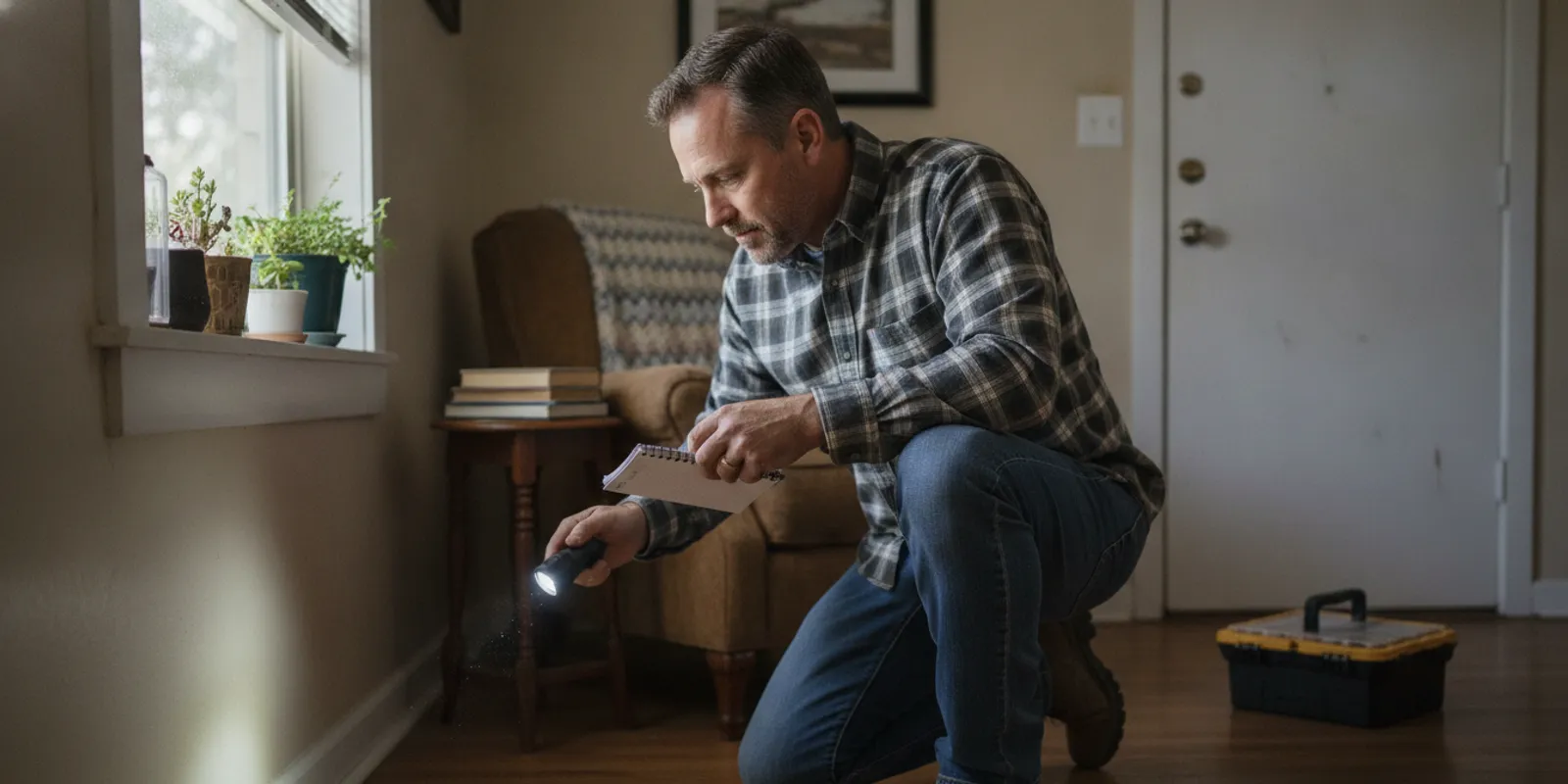
Pause before cleaning or applying a product. The first useful step is to preserve the context of the sighting. Write down the room, surface, time, approximate number of insects, and what was close by. Note whether the beetle was on a shelf, inside a package, on a plant, near a door, or on a windowsill. Those details are more useful than an early guess about the species.
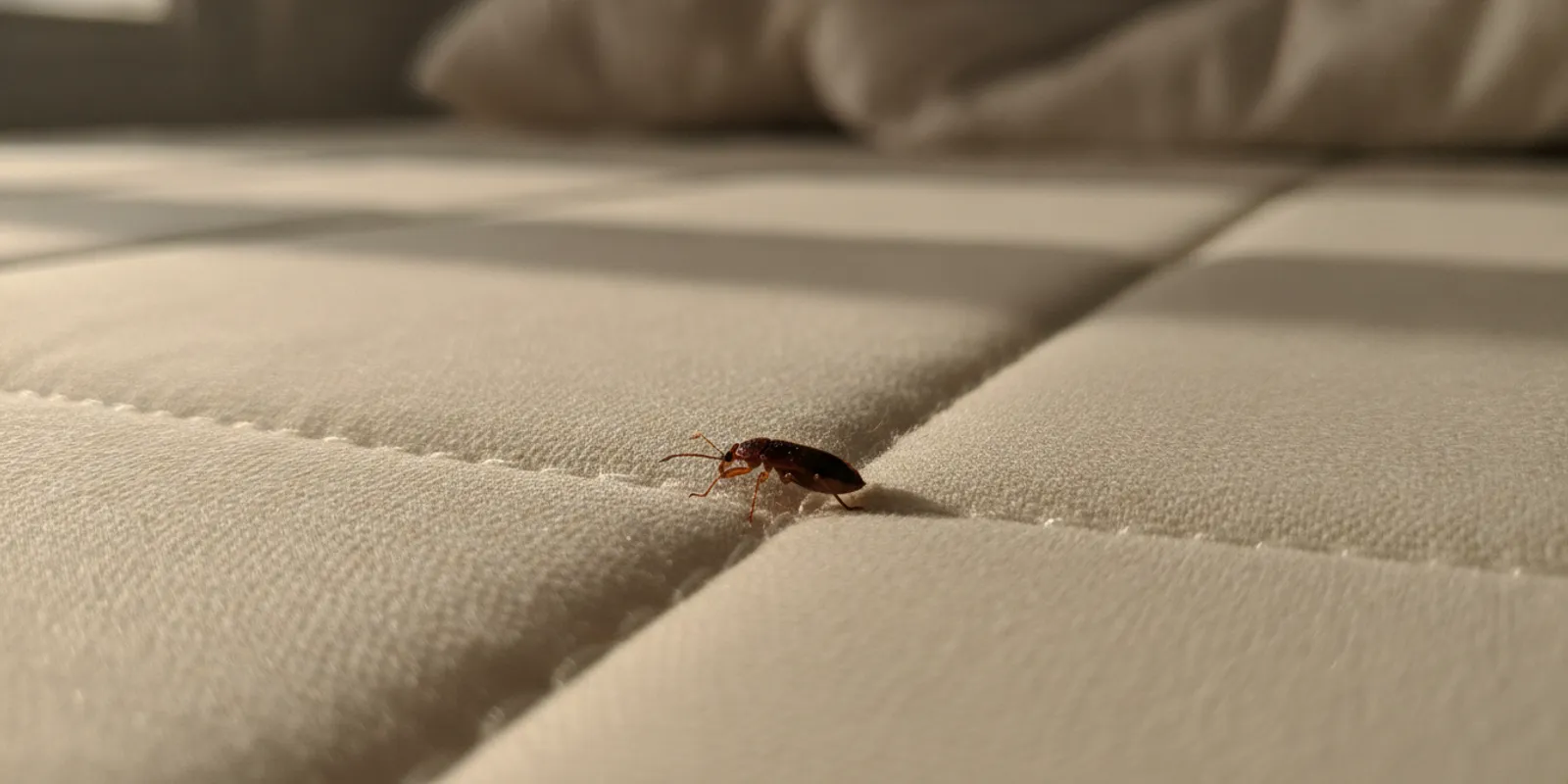
Weevils are beetles, and many have a noticeable elongated snout. A quick glimpse, a crushed specimen, or a blurry photo may not show that feature clearly. The group includes species with different food sources and habits; a pantry-associated insect and one encountered around plants should not automatically be treated as the same problem. Describe what you observed rather than presenting an uncertain identification as fact.
Photograph the insect where you found it, if you can do so without disturbing nearby food or spreading debris.
Record whether you saw one insect or repeated activity, and whether there were larvae, damaged material, or fine debris nearby.
Keep observations from separate rooms separate. Two sightings do not prove there is one shared source.
If practical, place a specimen in a closed container for identification. Do not handle an unknown insect unnecessarily.
Do not spray, sweep, or discard everything before you have noted where the signs appeared.
A single beetle on a sill, for example, is different evidence from several beetles found beside an opened bag of grain. Neither observation settles the question by itself. The goal is to decide what to inspect next and preserve enough information to revise that decision if new signs appear.
How can you tell whether stored food may be involved?
If the insect is near a pantry or food-storage area, begin with the nearest products and then expand the check one shelf or product group at a time. Include flour, rice, pasta, cereal, beans, seeds, nuts, baking ingredients, dried foods, and pet food. Look for live insects, larvae, holes, fine debris, webbing, or an unusual clumping or change in the contents. These signs do not all identify weevils, but they may help locate an affected item or another stored-product concern.
Check both opened and unopened goods. A package that looks intact is not enough to rule out an issue, so inspect folds, seams, closures, and any damage. Older products at the back of a shelf, bags folded over rather than closed, and food stored in thin or damaged packaging deserve a careful look. Avoid pouring products together as you inspect them; mixing contents makes it harder to tell which item had signs.
A shelf-by-shelf inspection method
Clear a small, clean work area and gather a flashlight, paper or a phone for notes, and sealable bags or containers for suspect items.
Take products from one shelf or one food group at a time. Keep each package separate and record its original shelf position.
Inspect the package exterior, seams, folds, closure, and visible damage. Then inspect contents over a washable surface when it is appropriate to open the package.
Look at the shelf itself, especially corners, joints, the back edge, and places where crumbs or spilled grain could remain.
Set aside products with signs in a securely closed container. Do not return them to the shelf while you finish checking nearby goods.
Write down the product type and location before disposal or further action. If the source is uncertain, this record may help you compare later observations.
Work carefully rather than emptying the entire pantry onto a counter. A broad pile can mix crumbs and insects from different packages, obscure the original source, and turn a focused check into a larger cleanup. If there are many shelves, take a short break after each section and note what you have already examined. A simple list marked “checked,” “signs found,” or “uncertain” is enough to prevent repeated work.
For example, if you see one beetle near rice, check that bag, the other grains stored beside it, and the shelf seams. If those items appear clean, widen the search to other dry goods without assuming that every cupboard is affected. If signs appear in several products, record each product and whether the items shared a shelf or storage container. The pattern can guide the next inspection, but it does not prove when or how the insects entered.
What should you do with food that has signs?
Food with clear signs of insect activity should be kept apart from usable products. Close the package or place it in a sealed bag or container, then follow local disposal directions. Avoid leaving it in an open indoor trash bin or carrying it uncovered through areas where it could spill. Do not transfer suspect food to another pantry shelf or combine it with other goods to “check later.”
If a package is questionable but you have not found clear evidence, isolate it while you inspect adjacent products. Note what made you uncertain, such as a hole in the package, a small amount of debris, or a beetle nearby. This avoids treating a vague clue as proof and also prevents the product from being casually returned to storage before you make a decision. When food-handling rules apply to a business, follow the responsible site's procedures rather than improvising disposal practices.
Do not apply insecticide to food, dishes, counters, or food-storage containers unless the product label specifically permits that use. A pantry treatment is not a substitute for locating the source. Removing affected goods and cleaning crumbs may be more appropriate first steps than spraying. Keep children and pets away from pesticide products, and follow all label directions and precautions for any product used in an allowed location.
How should you clean the pantry after checking it?
Once suspect products are separated, clean the places where food debris may collect. Vacuum shelf corners, joints, cracks that are accessible, and the area below the affected shelf. Empty the vacuum promptly into a sealed bag and take it out of the building. Use a suitable household cleaner on the shelf surface and let it dry before returning food. Follow the cleaner's directions, avoid mixing cleaning products, and take care not to damage a shelf finish.
Check neighboring shelves, drawer tracks, bins, and the floor below for spilled flour, grain, cereal, or pet food. Remove drawers or containers only if they are designed to come out and you can handle them safely. Clean them according to their material. Keep clean packages away from the work area until the shelf is dry. If debris is behind an appliance or in a difficult gap, make a note of it rather than applying a product in a place where its label does not allow that use.
A practical order helps keep the task manageable: remove one shelf's products, inspect and isolate, clean that shelf, then move to the next. Use a fresh bag or container for suspect products and keep it away from the clean work surface. Wipe visible crumbs into a disposable towel or vacuum them rather than brushing them onto the floor. When finished, check the work area for any spilled contents and close the trash or vacuum bag before removing it.
Cleaning is useful, but it cannot confirm that every source has been found. A hidden package, an overlooked spill, or activity connected to a plant or another storage space may remain. Treat cleaning as one step in an investigation, then monitor the original area and update your notes if new signs show up.
How can you store dry goods to make future checks easier?
Use sturdy containers with secure lids for opened dry goods. Clear containers can make a later visual check easier, but a tight closure and clean storage matter more than appearance. Before transferring food, inspect the package and container. Do not pour contents from a suspect package into a clean container, because that can spread the source and remove the link between the signs and the original product.
Keep storage shelves dry and free of spills. Close packages after use, clean up crumbs promptly, and place newly purchased items where you can use older goods first. Avoid letting forgotten bags accumulate at the back of a shelf. If you use bins, label or arrange them so you can tell what they contain and when you opened them. These habits improve visibility and limit access to food; they cannot guarantee that insects will never appear.
Consider a simple reset after a pantry check. Return only products that appear clean and are appropriate to keep. Group similar items together, leave enough room to see shelf corners, and keep pet food or bulk goods in containers that close securely. A less crowded shelf is easier to inspect than one where every package is stacked behind another. This is a practical organization choice, not a treatment by itself.
What if the insects are around houseplants?
When sightings cluster around a plant, check the leaves, stems, soil surface, and outside of the pot. Look for chewing marks or damaged leaf edges, and watch whether insects appear when the plant is gently disturbed. Examine plants individually rather than moving several together. Keep a suspect plant apart from other plants while you investigate, if that can be done without harming it.
Consider recent changes that can help focus the check: a newly purchased plant, fresh potting mix, or a plant recently moved indoors. These are clues, not proof of a source or species. Record which plant showed signs and what kind of damage you observed. If the plant is moved, clean up loose soil and avoid carrying visible insects to another room.
Do not use pantry remedies or a pesticide intended for a different setting on a plant. Any pesticide use should be labeled for the specific site and use, and the instructions must be followed. A clear close-up photograph of an insect and a separate photograph of the plant damage can help communicate what you observed. If the plant signs are unclear, avoid naming a species based only on the location.
For instance, if one newly acquired plant has visible damage while nearby dry goods look clean, inspect and separate that plant rather than emptying every pantry shelf. If beetles are seen both near a plant and near dry food, document each location independently. Similar-looking insects can have different sources, and one sighting does not automatically explain activity elsewhere in the home.
Could a weevil have come in from outside?
A beetle at a window, doorway, or other opening may have entered from outdoors, but that location does not establish its origin. Check the nearby sill, door area, screens, and lighting conditions, then look for additional signs inside. If there is only one insect and no evidence near food or plants, note the sighting and observe whether it repeats before deciding that there is an indoor source.
Do not seal or alter a window or door in a way that affects safe operation just because you saw one beetle. If a screen or weather strip is visibly damaged, record the condition and address it as an ordinary home-maintenance issue where appropriate. Avoid broad pesticide use around an entry point when the insect has not been identified and the label does not allow that site.
Repeated sightings at the same opening call for a closer comparison of inside and outside conditions. Note when they occur, where they are found, and whether there are nearby plants, stored materials, or food. If sightings are scattered across rooms, check each location for its own possible source instead of assuming that insects are all entering at one door.
How do common sighting patterns change your next step?
Use the pattern to prioritize inspection, not to make a diagnosis. The table below pairs observations with a sensible first check and a cautious next action. It is not a species identification guide, and it cannot prove that a source is present.
What you observed | Where to check first | Practical next step |
One beetle near a dry-food shelf | Nearby opened and unopened goods, package seams, shelf corners, and crumbs | Record its position; inspect products separately and isolate any with signs |
Repeated insects beside one package | The package, adjacent products, and the shelf or bin holding them | Keep the suspect package closed and separate; note what signs you found |
Insects or damage on one plant | That plant's leaves, stems, soil surface, and pot exterior | Inspect it apart from other plants and record visible damage |
A single insect on a sill or near a door | The immediate entry area and nearby indoor storage | Document it and watch for a repeated pattern before treating |
Activity in several rooms | Each location's nearby food, plants, stored materials, and openings | Keep separate notes; seek identification help if the source remains unclear |
For example, suppose a homeowner finds one beetle in a bedroom and later one near the kitchen. Those two observations should not be merged into a conclusion that the pantry is infested. Record each one, inspect nearby materials, and look for a repeated pattern. By contrast, several insects found alongside debris in one dry-food package give a more specific reason to inspect neighboring stored goods. The evidence changes the order of checks, not the need for careful identification.
How should you monitor after the first cleanup?
After removing suspect items and cleaning, check the original area and adjacent locations over the following days. Record whether insects reappear, where they are found, and what is nearby. A single sighting after cleanup may not mean the source remains, while recurring activity deserves a fresh look. Frequency by itself still does not identify the insect.
Keep a short log with the date, room, approximate number of insects, nearby food or plants, and action taken. Photograph new signs before cleaning them away. If you examine a package, write down its name or type and the shelf where it was stored. This gives you a way to see whether new activity is limited to one place or appears in several areas, and it prevents repeating the same checks without learning anything.
- One isolated sighting:
record the location, check the immediate area, and watch for further evidence.
- Repeated signs beside one product:
keep that item separate and inspect nearby goods and shelf debris.
- Activity around a plant:
inspect and separate the plant while documenting damage and recent changes.
- Signs in several locations:
investigate each independently and preserve photographs and notes.
- Activity continuing after source removal and cleaning:
reassess whether a package, spill, plant, or other source was missed and consider identification or inspection help.
A useful monitoring note is specific: “Two small beetles on the shelf beside the opened rice bag, found Monday evening; package isolated; shelf vacuumed.” “Weevils everywhere” is less helpful because it combines an identification, a scale, and a pattern that may not have been confirmed. Keep conclusions proportional to the evidence and add new facts as you find them.
What pesticide mistakes should you avoid?
Uncertainty can make a broad spray seem like the fastest answer, but it may leave the source untouched and create unnecessary exposure. Do not spray food, dishes, food-contact surfaces, or open pantry goods. Do not use an outdoor product indoors, mix cleaners or pesticides, or apply a product contrary to its label. Keep children and pets away from products and treated areas as the label directs.
Do not use pesticide simply because the insect has been called a weevil. The insect may not have been identified, and different locations can call for different checks. Do not assume that a spray will address an insect inside a package, a spill in a crevice, or plant-related activity. First determine what you can safely inspect and remove, and use any product only when its label permits the intended site and use.
The U.S. Environmental Protection Agency provides pesticide information at its official website. Follow the specific product label for permitted uses and precautions; general online information does not replace directions printed on the product.
What changes for a business or shared property?
In a restaurant, office, apartment building, warehouse, or other shared property, start by recording exactly where each sighting occurred. Separate a report from a break room or food-storage area from one near a plant, delivery entrance, or general office space. If multiple people report insects, note each person's location and date rather than merging the reports into one assumed source.
Where food or inventory is involved, keep suspect items identifiable and apart in line with the site's procedures. Record product names, storage locations, or lot details when those details are part of the business's normal tracking. Do not make unsupported statements about contamination, health risk, or the scope of an infestation. Avoid moving open goods or debris through shared areas; coordinate cleaning and access with the person responsible for the space.
A property manager can make the next assessment more useful by noting the affected room, nearby food or stock, areas already checked, cleaning done, and whether activity has continued. In a multi-unit building, record the unit or shared-space location while respecting the property's access and notification procedures. Do not infer that insects in different units have one source without evidence. Keep the response focused on the observed locations and documented site rules.
Pro Pest serves residential and commercial customers from Sealy and the confirmed surrounding-area footprint. Coverage for a specific ZIP should be confirmed rather than assumed. The company describes an inspection-led process: conditions and activity are assessed before targeted treatment is recommended. A free, no-obligation inspection request is not a confirmed appointment or a fixed-price quote. Commercial owners should explain the property type, pest concern, ZIP code, and whether the request is for one-time or ongoing service.
When can an inspection help?
An inspection may be useful when you cannot tell whether the source is stored food, a plant, or another location; activity returns after cleanup; or insects appear in multiple areas. It can also help when an affected storage area is difficult to check or a business needs to coordinate an assessment with its own cleaning and inventory procedures. An inspection is a chance to assess visible conditions and activity, not a reason to assume a species before it is confirmed.
Before requesting help, gather a clear photo if available, dates and locations of sightings, product or plant details, and the steps already taken. Keep suspect food closed and separate. Mention whether you have seen larvae, damaged packages, debris, or plant damage, and whether the activity has repeated. If the insect was not confidently identified, say so plainly. These details help explain the situation without overstating what you know.
Homeowners can review residential pest-control information. Business and property owners can see commercial pest-control information. For a broader view of documented offerings, visit the services page; to learn more about the Sealy-based company, see about Pro Pest. For an inspection request, provide your ZIP code, property type, pest concern, and desired one-time or ongoing service through the inspection request form.
What common mistakes can make the source harder to find?
One mistake is spraying before checking packages or plants. That may leave the likely source untouched and makes it harder to understand what was happening before treatment. Another is discarding every dry good without inspection. It can create avoidable waste and still miss a source elsewhere. A third is moving all suspect products together, which can spread crumbs and erase information about which shelf or package was involved.
It is also easy to treat “weevil” as a confirmed identification when it may only be a quick description. A small beetle can be difficult to identify from a glance. Preserve a photograph or specimen if practical, and record what you saw without assigning a species you cannot verify. Keep different sightings separate until the evidence connects them.
Finally, do not treat a cleanup checklist as a guarantee. Removing suspect goods, vacuuming crumbs, and storing food in closed containers are useful steps, but continued activity can mean a source remains or the insect was misidentified. Review the new evidence, repeat a focused check if needed, and seek help when the pattern is unclear. Avoid escalating to a broad treatment solely because you are frustrated or uncertain.
Frequently asked questions
Can weevils come home in a food package?
Stored-product insects can be associated with dry goods, and an affected package is one possible source. Inspect the package and nearby goods individually. The sighting alone does not establish when or how insects entered.
Should I throw away everything in the cupboard?
No. Check items one by one, isolate goods with signs, and discard clearly suspect food securely. A targeted inspection can identify a likely source while helping you avoid unnecessary waste.
Will cleaning alone solve the problem?
Cleaning can remove crumbs and debris, but it may not address a source hidden in a package or elsewhere. Monitor the area after cleanup and reassess if signs continue.
Are pantry weevils and insects on plants the same?
Not necessarily. Weevils include different species with different food sources and habits. Location is a clue for deciding where to inspect, not a complete identification.
Can I use a household spray in the pantry?
Use a pesticide in a particular area only when its label permits that site and use. Never spray food or food-contact surfaces unless the label specifically allows it, and follow all directions and precautions.
Careful source-checking, clean storage, and clear notes make weevil control more focused and help you choose a sensible next step when activity appears again.

Comments