What Are Sowbugs and Why Are They in My House?
What are sowbugs and why are they in my house? Sowbugs are small land-dwelling crustaceans that usually live outdoors in damp, sheltered places. A few indoors often point to a nearby moist hiding place or an easy route inside—not necessarily an infestation or damage to the building. For Sealy-area homeowners, the useful first move is to identify the creature, record where it appeared, and check the conditions around that spot.
What are sowbugs, and how are they different from pillbugs?
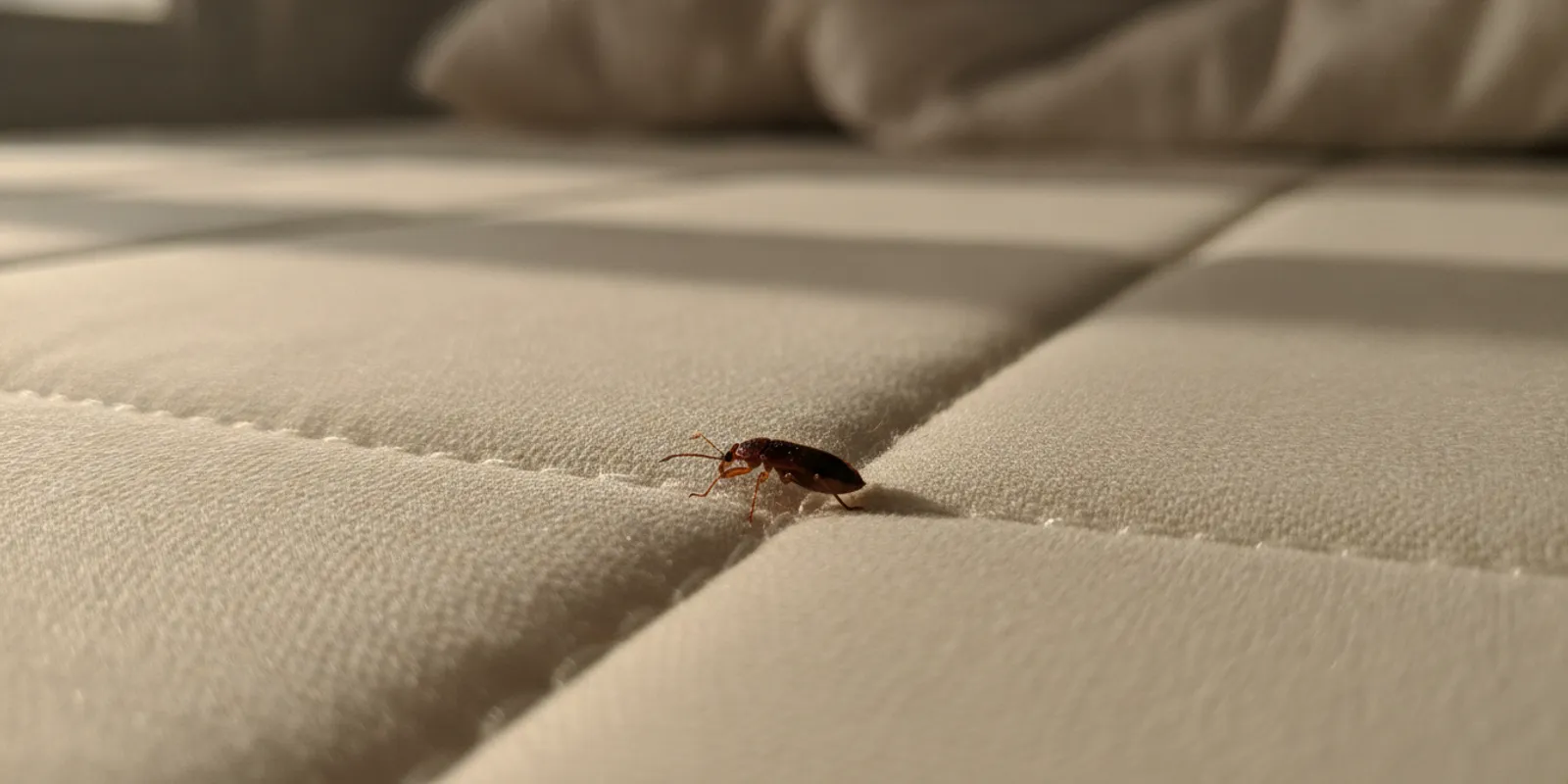
Sowbugs and pillbugs are related, small crustaceans, not insects. Their oval, segmented bodies are often gray or brown, and they have multiple pairs of legs. The names are sometimes used loosely, but one visible trait helps distinguish them: a pillbug can roll into a tight ball when disturbed, while a sowbug generally cannot. Sowbugs also have short tail-like projections at the rear that pillbugs lack.
Both need moisture to avoid drying out. They tend to shelter beneath stones, boards, leaf litter, mulch, flowerpots, and other objects that hold dampness. They feed mainly on decaying plant material. Outdoors, they help break down organic matter. Inside a house, they are generally an unwanted nuisance and may have wandered in from a favorable outdoor habitat.
Identification matters because a small gray animal is not automatically a sowbug. If you are unsure, take a clear photo from above and, if possible, another from the side. Include a familiar object for scale, such as a coin, without touching the animal. Note whether it rolls up when gently approached, but do not handle an unfamiliar pest. Pro Pest's pill bug control guide discusses the closely related indoor and outdoor concerns.
Why are sowbugs in my house?
Usually, a sowbug found indoors has encountered some combination of moisture, shelter, and access. It may have moved from damp mulch or leaf litter near the foundation through a gap at a door, a crack, or an opening around a utility line. It may also arrive with a plant or an object that sat outdoors in a wet area. A single specimen does not prove that a population is established indoors.
Moisture can be outdoors or indoors. Wet soil against a foundation, overwatered plants, damp stored items, condensation, a dripping fixture, or water that collects near a threshold can all be worth checking. The sowbug did not necessarily cause the moisture. If you see a water stain, recurring leak, or pooling water, treat that as a separate building or plumbing concern and arrange appropriate repair rather than assuming pest treatment will resolve it.
Timing can offer clues. If sightings follow heavy rain, watering, or a change in outdoor conditions, check the nearest exterior habitat and entry points. If they keep appearing in the same indoor corner regardless of weather, inspect that room's floor edges, nearby plumbing, stored objects, and exterior wall. Record the pattern instead of making a conclusion from one sighting. You can also review Pro Pest's guide to moisture pests around the home for other damp-condition checks.
Where should you inspect first?
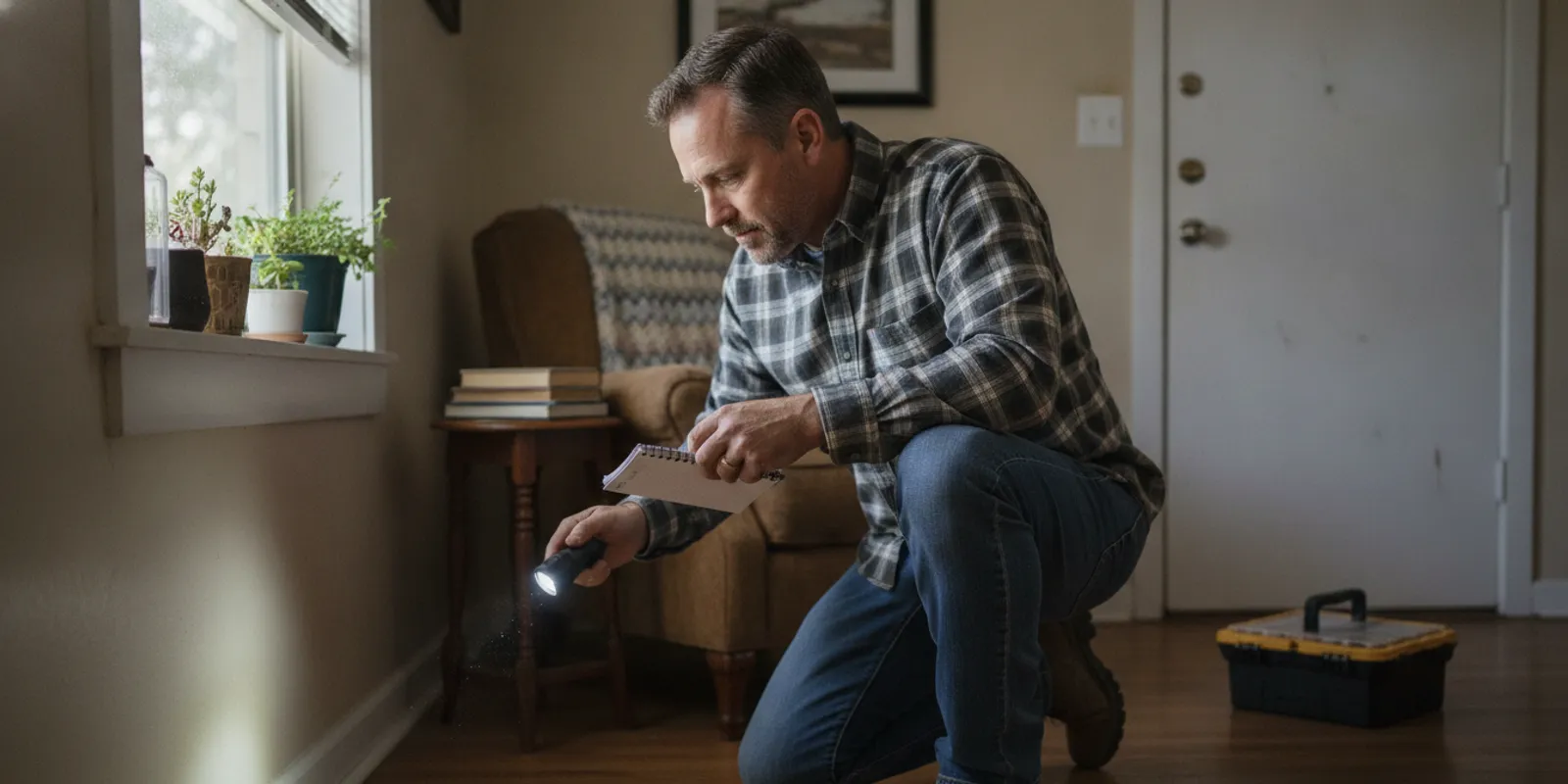
Begin at the exact place where you saw the sowbug. Work outward from there, indoors and then outdoors. Use a flashlight, move only light items you can handle safely, and avoid reaching blindly into dark spaces. A simple map or phone note can help you remember what you checked.
- Floor and wall edges:
Look along baseboards, corners, thresholds, and the edges of rugs near the sighting. Note whether the floor or wall feels damp.
- Doors and low openings:
Check exterior doors, garage doors, and nearby utility openings for a visible gap, damaged weatherstripping, or a door sweep that no longer meets the threshold.
- Water sources:
Look beneath sinks and near laundry equipment, floor drains, and water heaters for visible drips, condensation, or wet stored items. Do not dismantle plumbing or electrical equipment.
- Stored objects and plants:
Check cardboard, potted plants, containers, and equipment that may have been sitting on a damp patio or floor. Move items carefully and keep them away from children and pets while inspecting.
- Exterior shelter:
Inspect leaf litter, mulch, boards, stones, planters, and decaying vegetation close to the foundation. Look for damp pockets and likely routes toward the doorway or wall opening.
Write down the date, room, precise location, number seen, and whether the area felt damp. Add recent rain or watering if relevant. This record is more useful than a general note such as “bugs in the house,” because it helps distinguish a stray visitor near a door from repeated activity around a particular room or moisture source.
How can you make a house less inviting?
The practical aim is to reduce nearby damp shelter and limit suitable access. These steps may lower the chance of indoor sightings, but they are not a promise that every sowbug will disappear or never return. Work through the conditions you can safely address and avoid changes that could damage landscaping or a building system.
Reduce damp shelter outdoors
Clear accumulated leaves and decaying plant material near the foundation, especially where it stays wet.
Move unused boards, stones, containers, and other ground-level objects away from the wall when practical. Lift and move them carefully; do not put hands beneath an object without seeing what is there.
Keep mulch and groundcover from pressing against siding or obscuring the visible foundation. Maintain the landscape in a way that fits the building and local conditions.
Empty standing water from plant saucers and containers. Adjust watering near entry points when appropriate for the plants, rather than allowing the soil to remain persistently wet.
Store firewood and similar materials off the ground and away from the house where feasible. Check that the new storage location does not create a different moisture or safety problem.
Observe where rainwater travels before making yard changes. Do not pile soil against siding, cover drainage openings, or redirect runoff toward the building. If water repeatedly pools near the foundation, a qualified drainage or building professional can assess the cause and suitable correction. Pest prevention should not create a water-management problem.
Address dampness and access indoors
Arrange repair for drips and leaks, and dry wet floors, mats, and stored items. If the source is unclear or persistent, have the relevant repair professional investigate it.
Improve ventilation in damp rooms where appropriate, and note whether condensation returns after surfaces are dried.
Use a suitable door sweep or weatherstripping where you can see daylight or feel air around a closed exterior door. Recheck the fit after installation.
Seal small gaps around appropriate, nonmoving openings with a suitable material, but keep vents and drainage paths clear. If you do not know what an opening is for, ask a qualified contractor before covering it.
Keep stored items dry and leave enough space around them to inspect the floor and wall edges. Cardboard placed directly on a damp floor can hide conditions that deserve attention.
Be cautious around electrical, plumbing, and mechanical systems. A large gap or an opening whose purpose is unclear should not be sealed casually. If your inspection suggests a building defect, ask the appropriate contractor rather than using caulk or foam as a substitute for repair.
What should you do when you find sowbugs indoors?
For one or a small number, remove them with a tissue or vacuum and dispose of them. Then check the immediate area and likely path from outdoors. Removing visible specimens is a reasonable cleanup step, but it will not address an ongoing source if damp shelter or an entry point remains.
Do not spray a product simply because you found a small animal. First identify the pest and check the label for the specific permitted pest, location, and use. Follow all label directions and precautions. The U.S. Environmental Protection Agency's pesticide information is a starting point for learning about pesticide use; the product label remains the directions for the particular product. Never combine products or apply them to occupants, pets, food-contact areas, or surfaces unless the label specifically permits that use. More product is not a substitute for finding the source.
For a household response, separate the work into three steps: remove what you can see, investigate the nearby conditions, and decide whether the pattern warrants help. For example, a sowbug at a patio door after rain may prompt a door-gap check and a look at wet debris outside. Several sightings near a laundry area merit checking for moisture and recording whether they recur. Avoid treating those examples as diagnoses; a particular building may have a different route or cause.
How do common sighting situations change your next step?
What you notice | What to check | Practical next step |
One sowbug near a doorway | Door sweep, threshold, nearby outdoor debris | Remove it, inspect the gap, and clear nearby damp shelter if appropriate |
Several in a damp room | Visible leaks, condensation, stored items, floor edges | Address the moisture source through the appropriate repair and monitor sightings |
Repeated sightings in one area | A recurring entry route or concealed damp condition | Record dates and locations; request an inspection if the source remains unclear |
Activity mainly outdoors by the wall | Mulch, leaf litter, planters, boards, and water movement | Reduce damp shelter without blocking drainage or redirecting runoff |
Activity at a business or shared property | Loading doors, service openings, damp storage, common areas | Document the pattern and coordinate with the responsible property manager |
The table is a guide for organizing observations, not a diagnosis. More than one condition may contribute, and the right response depends on what an inspection finds. If the animal is not clearly a sowbug, make identification the first task rather than choosing a treatment based on a guess.
How should a business or shared property respond?
At a shop, office, apartment building, or other shared property, look for patterns across common areas and service entrances. A loading door, plant room, utility opening, or damp storage space may provide shelter or access. A single sighting in a corridor may have come from a nearby exterior entrance; repeated activity around one utility area may deserve a focused check of that space. Keep a simple log with dates, locations, conditions, and any housekeeping or repair changes.
Coordinate inspection and any treatment with the property owner or manager. Consider access, occupied areas, food preparation, operating schedules, and who is authorized to arrange pest work. Do not ask tenants or staff to apply pesticides unless that use is appropriate and authorized. Pro Pest lists commercial pest-control services for multiple property types; the suitable scope depends on the property, pest, and findings.
For a manager, useful notes are concrete: “two sightings beside the rear receiving door on Monday and Wednesday; floor was wet after deliveries” is more actionable than “activity in the building.” Ask staff not to disturb a suspected leak or block a required opening. Assign someone to check the same locations after any cleanup or repair so the property can tell whether the pattern changed.
How should you monitor after making changes?
Use a consistent observation routine rather than checking randomly. For one or two weeks, inspect the same floor edges, doorway, and damp spots at roughly the same time of day. Record new sightings, rainfall or watering, and any drying, cleaning, or exclusion work. The notes do not prove the cause, but they can show whether activity is declining, shifting to another area, or continuing in the same place.
Change one practical condition at a time when it is safe and reasonable to do so. For example, remove accumulated wet leaves near a doorway, note the date, and continue checking that entrance. If you also adjust a door sweep, note that separately. This keeps the observations easier to interpret. You can still remove visible sowbugs as they appear; recording the sighting does not mean leaving pests in the home.
If activity stops, keep the area accessible for occasional checks, especially after conditions change. If it continues, gather the log and photos before moving or discarding items that may be relevant. Do not delay a needed leak or water repair just to preserve evidence. Fix the building issue and note when the work occurred.
What mistakes can make the problem harder to assess?
- Spraying before identifying the pest:
A sowbug is a crustacean, and a different-looking animal may need a different response. Take a clear photo and check body shape first.
- Ignoring the damp refuge:
Removing indoor specimens without checking wet outdoor debris may leave the nearby conditions unchanged.
- Sealing an essential opening:
Vents, weep paths, and drainage routes can serve a purpose. Confirm what an opening does before blocking it.
- Overwatering plants near the house:
Frequent wetting can maintain a damp hiding place close to a wall. Adjust only as appropriate for the plants and site.
- Making drainage worse:
Moving soil or redirecting runoff without a plan can send water toward the building. Ask a qualified professional when needed.
- Assuming one sighting proves an infestation:
A stray specimen can enter accidentally. Look for recurrence, concentration, or a consistent route before drawing conclusions.
- Applying multiple products at once:
This can introduce unnecessary exposure and make it difficult to tell what changed. Follow the label and seek qualified guidance rather than improvising.
- Discarding useful observations:
A photo and location note can help clarify what is being seen. Record them before cleanup when that can be done safely.
A measured response helps distinguish a pest concern from a moisture or building issue that may need another kind of repair. It also gives an inspector a clear starting point if activity continues.
When can an inspection help?
Consider an inspection if sightings continue after you reduce damp shelter and address obvious, suitable gaps, if you cannot locate the source, or if activity appears in multiple rooms or a shared property. An inspection can help identify activity, conducive conditions, and likely entry points before a treatment recommendation is made. It may also show that a moisture or building repair needs attention from another professional.
Pro Pest describes residential service as an inspection of activity, damage, conducive conditions, and entry points, followed by treatment of relevant interior or exterior zones as appropriate. Optional exterior follow-up may be available; discuss the plan rather than assuming a standard frequency or contract. Read about the residential pest-control approach and the company's pest-control services for general service information.
Pro Pest is based in Sealy and describes service in Sealy and the surrounding area. Coverage for a particular address should be confirmed; Houston or Katy targeting does not establish that every ZIP code is served. A free, no-obligation inspection is a request, not a confirmed appointment or fixed-price quote. The About Pro Pest page provides company background and local contact context.
How can you prepare a useful inspection request?
Before reaching out, gather details that help establish whether the request fits the property and service area. Include the property type, ZIP code, pest description, sighting locations, frequency, moisture concerns, and whether you are asking about a one-time visit or ongoing service. If the property is commercial or shared, identify the person who can coordinate access and approve work.
Make the description specific. For example: “Three small gray crustaceans beside the laundry-room threshold on two mornings after rain” communicates more than “bugs in the house.” Add a photo with a familiar object for scale, whether the specimens were alive, and any nearby water source. Do not put an unknown specimen in a food container or leave it where children or pets can reach it.
When requesting help, explain which steps you have already taken and what happened afterward. Mention if you dried stored items, cleared debris, repaired a door sweep, or found a persistent leak. This lets the inspection focus on unresolved conditions. Do not interpret an inspection request as a booked appointment until the company confirms the details.
Pill bug control questions
Are sowbugs harmful to people or pets?
Sowbugs are not known for biting or stinging people, and their presence indoors is generally a nuisance rather than evidence of a threat. Avoid eating or handling unknown pests. For a specific exposure concern involving a person or pet, ask a medical professional or veterinarian.
Do sowbugs mean I have a leak?
Not necessarily. Damp soil, outdoor debris, condensation, or wet stored items may also create favorable conditions. Check for visible moisture and arrange evaluation of suspected plumbing or building problems with the appropriate professional.
Will sealing gaps solve the problem?
Sealing a confirmed, suitable gap may reduce one route inside, but it may not address damp outdoor shelter or another access point. Combine sensible exclusion with moisture and habitat checks, and monitor whether sightings continue.
Can I use pesticide around sowbugs?
Use a product only if its label permits the pest and location, and follow all directions and precautions. Broad or repeated applications without identifying the source may not resolve the conditions that brought sowbugs indoors.
What information should I provide when requesting help?
Share the property type and ZIP code, where and when sowbugs appeared, whether sightings repeat, and any dampness or likely entry points. Photos and a brief record of steps already taken can help clarify the inspection request.
If sowbugs keep appearing in your Sealy-area home or business, note the locations and conditions, then call +1 979-885-6666 to ask about a free, no-obligation inspection.
Comments