Springtail Control: What Attracts Them and How to Reduce Activity
Springtail control starts with finding the moisture and conditions that let these tiny insects gather. If you see springtails around a Sealy-area home, avoid treating every sighting as proof of a widespread indoor infestation. First note where they appear, check for dampness, and see whether activity is limited to one area or keeps returning.
What are springtails, and why do they appear?
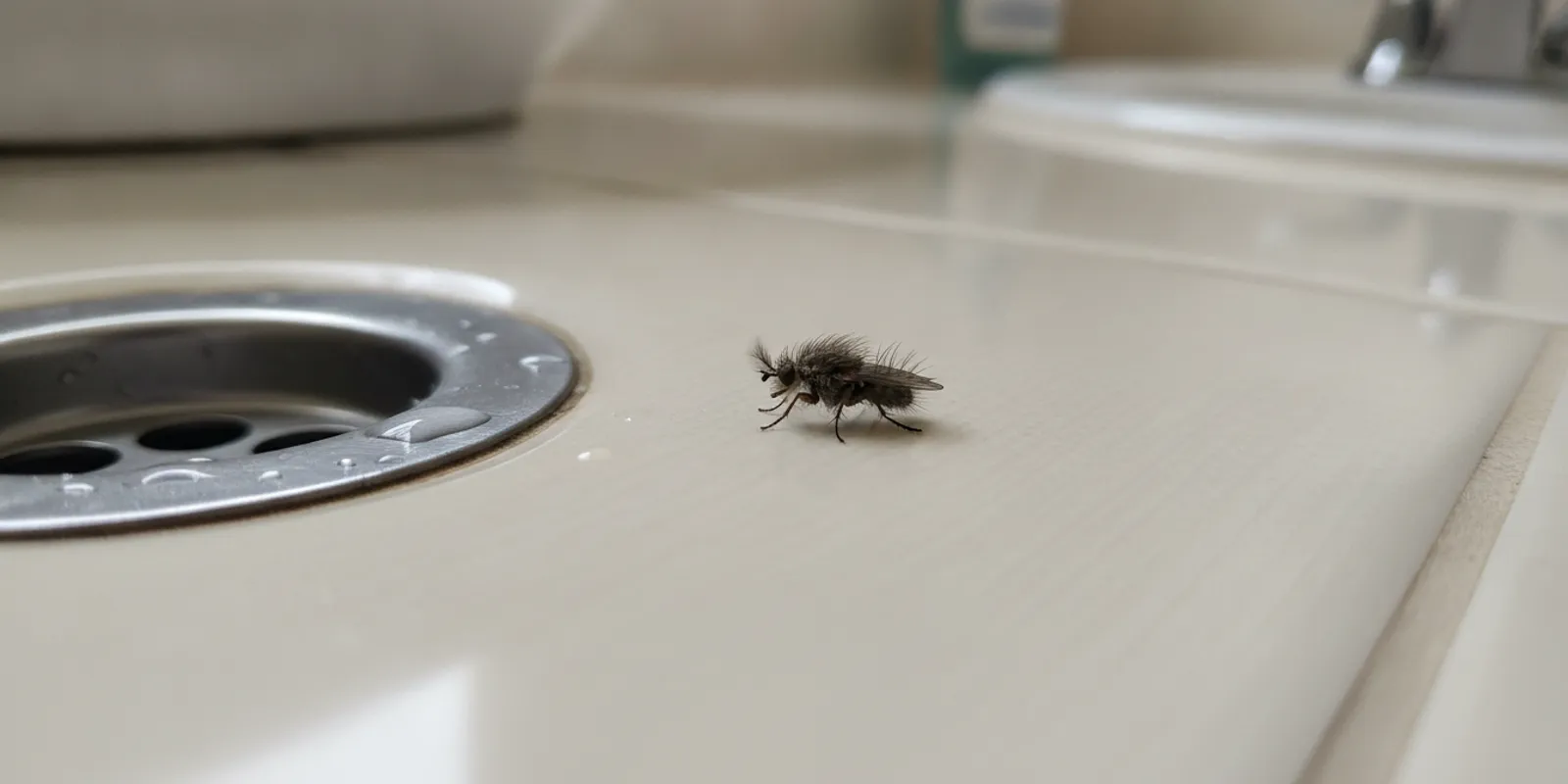
Springtails are very small arthropods often noticed in damp places, such as around soil, leaf litter, mulch, and other moist organic material. They can appear indoors when conditions are humid or wet, including around leaks, damp basements or crawlspaces, and areas near doors or windows. Their presence often points to moisture or nearby habitat worth checking; one or two sightings alone do not establish how large the source is.
The extension resource on springtails notes that low humidity is difficult to maintain in drains, where moisture is present. That is a reminder to consider the environment as well as the insect: a persistent damp location can keep supporting activity even after visible insects are removed. Read the extension guidance on springtail control.
What should you do first when you see springtails?
Start with a short observation, not a broad spray. Record the room or outdoor location, the approximate number, and whether you see them at a window, sink, floor drain, potted plant, or exterior wall. If possible, take a clear photo and note recent rain, cleaning, plumbing work, or a change in ventilation. These details help distinguish a stray insect from activity tied to a recurring damp spot.
- Identify the exact area.
Check whether insects are concentrated at one edge, crack, drain, or plant rather than scattered throughout the home.
- Look for moisture.
Check for condensation, wet materials, plumbing drips, standing water, or soil that remains saturated.
- Track recurrence.
Note whether sightings stop after the area dries or return in the same place over several days.
- Limit disturbance.
Avoid moving damp materials into other rooms or applying products before you understand the site and label directions.
For other insect sightings, the practical approach in our guide to what happens during a pest inspection is useful: gather observations about location and conditions before requesting advice.
How can you check for a moisture source?
Inspect carefully without taking apart building materials. Look under sinks and around visible plumbing connections, along tub and shower edges, near laundry equipment, and around windows that collect condensation. Outside, check the soil and mulch close to the foundation, downspout discharge, planters, and shaded spots that stay wet after rain. Do not assume that every drain or damp area is the source; compare where the insects are seen with where moisture persists.
Use a simple checklist:
Are there visible drips, water stains, or damp stored items?
Does a drain or sink area stay wet between uses?
Is a potted plant tray holding water, or is the potting mix consistently wet?
Does the ground slope or drain water toward the wall?
Are leaves, mulch, or other organic debris pressed against the foundation?
Do springtails show up after rain and then decline as the area dries?
If you find a plumbing leak or water intrusion, address the underlying building or plumbing issue with the appropriate professional. Pest treatment is not a substitute for repairing a leak, correcting drainage, or drying damaged materials.
Which homeowner steps may reduce springtail activity?
Focus on reducing prolonged dampness and limiting easy routes into the home. The right step depends on the location. A plant that is overwatered calls for a different response than a wet wall, a leaking pipe, or recurring insects by an exterior door.
Manage indoor moisture
Repair known leaks, dry wet items, and improve ordinary air circulation where practical. Use bathroom and kitchen exhaust fans as designed, and avoid leaving wet cloths or containers in enclosed spaces. Water houseplants according to their needs rather than keeping the soil constantly soaked, and empty excess water from saucers.
Do not try to make the entire home unusually dry. Instead, address identifiable damp spots and watch whether activity changes. If a room remains humid or materials stay wet, investigate the building cause rather than relying on repeated surface cleaning.
Reduce damp habitat outdoors
Keep leaf litter and excess organic debris from accumulating against the home. Where practical, avoid persistently wet mulch right against the foundation and do not let irrigation repeatedly soak the same wall or entry area. Make sure downspouts discharge away from the foundation in a way that fits the property, and observe whether water pools after rain.
These are condition-management steps, not a guarantee that springtails will never appear. Springtails can be present outdoors in moist habitats, so the goal is to reduce the conditions that lead to recurring indoor sightings and make entry less likely.
Check likely entry points
Look at door sweeps, window screens, visible gaps around utility lines, and openings around doors or windows. Repairing a clear gap or damaged screen may help reduce insect entry. Do not seal a location until you have checked whether it is associated with a water problem that also needs repair.
For broader prevention ideas around household insects, see Pro Pest's guide to reducing entry around the home. The specific pest differs, but checking screens, doors, and openings is a useful part of a careful home assessment.
Should you spray springtails?
Not as a first step in every case. Spraying visible insects may reduce what you see briefly, but it may not resolve dampness or the conditions supporting activity. Avoid applying a product to a drain, indoor surface, soil, or foundation unless its label allows that use and you can follow all directions. Never mix products or use a pesticide in a way that is not listed on its label.
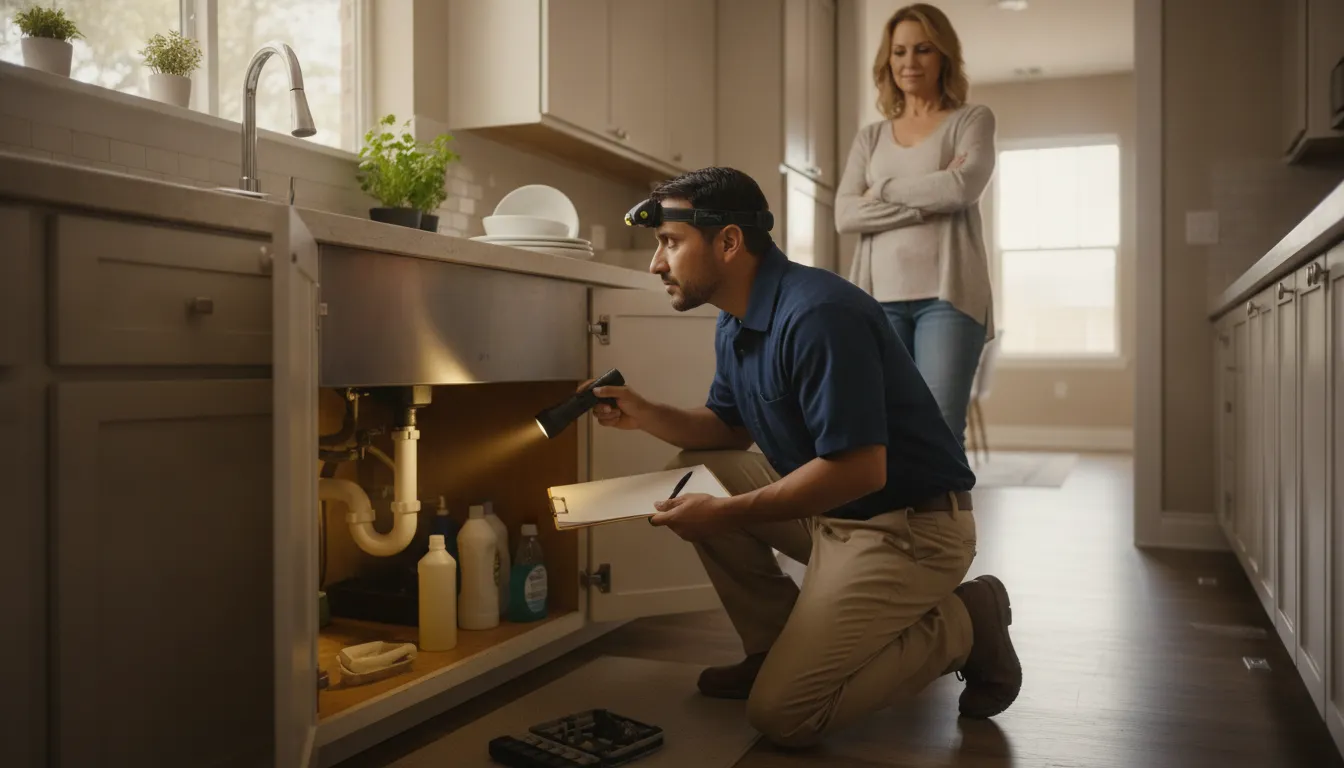
Before choosing any treatment, consider the site and pattern. Is activity limited to a wet plant tray? Is there a leak? Are insects appearing at several locations, or only near one exterior door? If you cannot identify the source, a professional inspection can help assess the conditions and whether treatment is appropriate. Pro Pest describes its general residential process as inspection first, followed by recommendations and targeted interior or exterior treatment when indicated; optional exterior follow-up may be available. Details depend on the property and findings, and a free inspection request is not a confirmed appointment or fixed-price quote.
How can you tell whether activity is recurring?
Use a brief log for several days. Record the date, location, approximate number, nearby moisture, and any change you made. A single brief cluster after rain may differ from repeated sightings at the same indoor edge after the area appears dry. Avoid interpreting a quick reduction after cleaning as proof that the source is gone; watch whether the same location becomes active again.
Consider whether the pattern follows a particular condition:
- After rain:
Check exterior damp spots, downspout flow, and the nearby wall or door.
- After watering plants:
Check drainage, saucers, and whether a plant is kept too wet.
- Near plumbing:
Look for visible leaks or persistent wetness and arrange repair when needed.
- At several rooms:
Map each location and note whether there is a common wall, plumbing route, or moisture source.
Keep the log factual. “Several insects near the laundry-room drain on three mornings” is more useful than concluding that the whole home is infested.
What should renters and property managers do?
Renters should document the location and dates, take photos if possible, and promptly report leaks or water intrusion to the property manager. Avoid making structural repairs or applying pesticides to shared areas without permission. A clear message can state what was found, where, whether the area is damp, and whether the sighting has repeated.
Property managers can compare reports across units and common areas. Check whether activity clusters near a shared plumbing line, entrance, laundry room, drain, or landscaping edge. If a commercial property has repeated reports, identify the affected room or operational area and record any moisture issue before choosing a response. Pro Pest provides commercial pest-control services in Sealy; an inspection request should describe the property type, pest, location, and whether service is sought once or on an ongoing basis. Learn more about commercial pest control in Sealy.
When should you request an inspection?
Consider an inspection when springtails keep appearing indoors, the source is unclear, activity involves multiple locations, or you have already addressed obvious moisture but sightings continue. It can also help when you need to distinguish springtails from another tiny insect. An inspection is especially useful when the affected area is difficult to access or when a property manager needs a clear record of conditions.
Before submitting a request, gather:
Your ZIP code and property type.
Where you have seen the insects, indoors and outdoors.
How long the sightings have continued and whether they recur.
Any visible dampness, leak, condensation, or drainage concern.
Whether you are seeking a one-time assessment or asking about ongoing service.
Pro Pest is based in Sealy and describes service in Sealy and the surrounding area. Service availability should be confirmed for your ZIP code; a target market or nearby town name alone does not establish coverage. To learn about the residential approach, visit residential pest control in Sealy.
What should you ask before agreeing to a recommendation?
Ask what evidence points to the insect identification and source, what areas would be inspected, and which condition should be corrected first. If a treatment is proposed, ask where it would be applied, what preparation is needed, and how the product label's precautions apply to people, pets, and the specific site. Ask what follow-up would mean in your case rather than assuming a standard schedule or guarantee.
Also clarify whether the recommendation addresses the moisture source, insect activity, entry route, or more than one of these. A useful plan should make clear what the property owner needs to fix and what pest-control work is intended to accomplish. Do not assume any service prevents all future springtails, since ongoing moisture or new outdoor activity can change conditions.
Can springtails harm a home?
Springtails are generally a nuisance rather than a structural pest. Their presence can be a useful prompt to inspect damp conditions, but the insects themselves are not evidence that wood or a building component has been damaged. If you find water-damaged materials, deal with the moisture and assess the material separately; do not infer damage solely from seeing springtails.
What is the practical way to approach springtail control?
Start by locating the sightings, checking nearby moisture, and recording whether the insects return. Correct identifiable dampness and entry conditions, then reassess. If activity persists or the source is not clear, request an inspection and share the observations so the next step can be based on the property and findings.
Springtail control is most useful when it addresses the conditions behind recurring sightings, not just the insects visible on one day. A careful inspection can help clarify what is happening and which response makes sense for your home or property.

Comments