Are Earwigs Dangerous? Facts for Homeowners
Are earwigs dangerous? Their pincers can look alarming, especially when one turns up indoors, but earwigs are generally a nuisance rather than a threat to people. The useful response is to avoid handling the insect, note where and how often you find them, and address conditions that may be drawing them inside.
What should you do if you find an earwig indoors?
Do not pick it up with bare hands. If you want to remove a single insect, use a tissue or container and discard it outdoors. If you are unsure what you saw, take a clear photo from a safe distance. Avoid crushing or handling an insect you cannot identify.
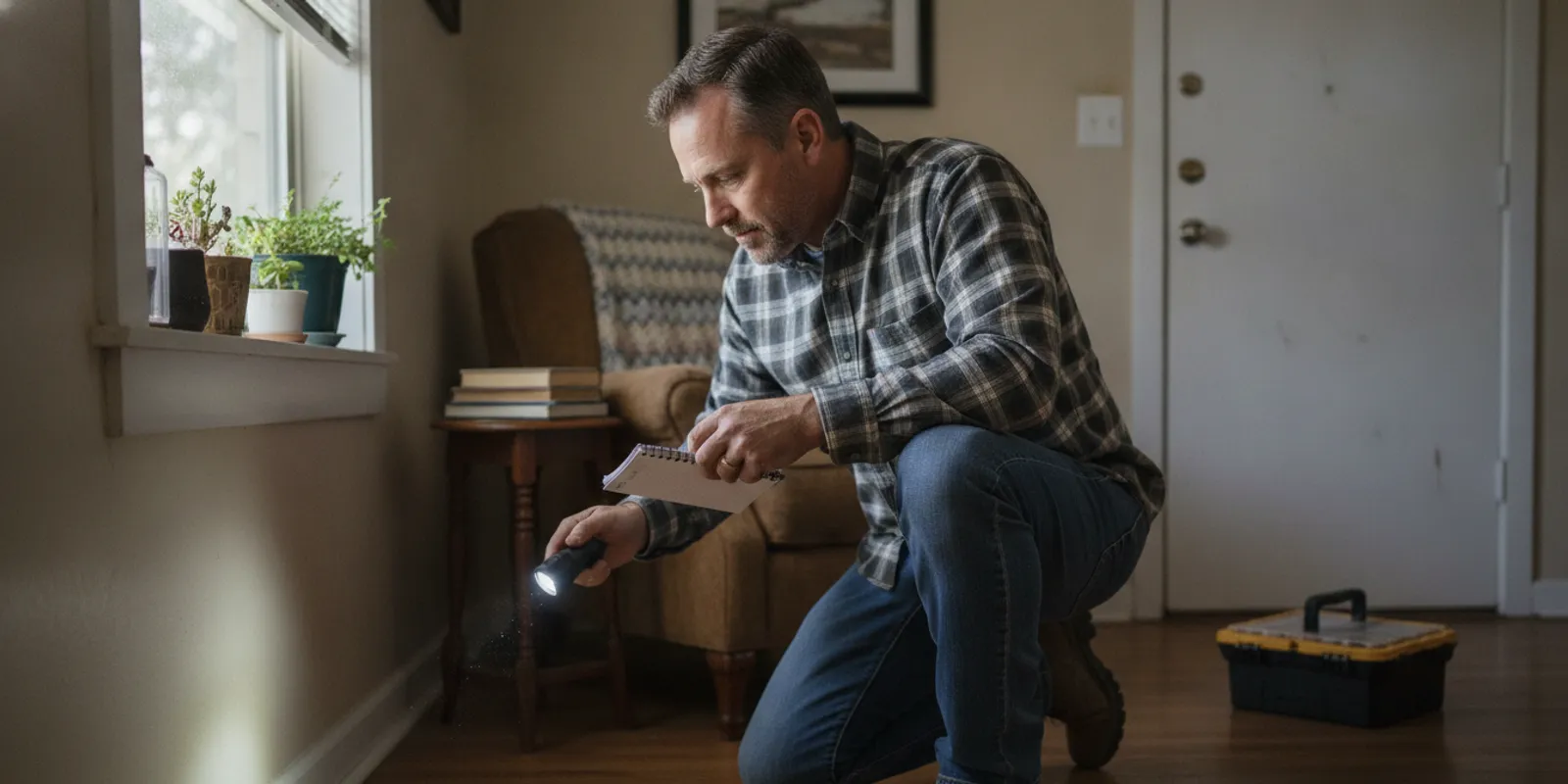
Then make a short note of the location, date, and whether you have seen others. One sighting does not by itself prove there is an infestation. Repeated sightings, especially in the same damp area, offer more useful information about where to investigate.
Start by noting the room and what the insect was near. Was it beside a ground-level door, near a window, in a bathroom, or in a basement or storage area? Was the area damp, recently cleaned, or undisturbed? These observations are more useful than trying to infer a hidden nest from one insect. If you can, photograph the insect without moving it. Include a familiar object nearby for scale, but do not put your hand close to it.
For a single insect, a simple removal is usually enough. Place a cup or container over it, slide stiff paper underneath, and release it outside away from the doorway. If you prefer not to approach it, use a vacuum and empty the canister outdoors. Avoid grabbing it with bare fingers, even if it appears dead; an insect may still move when disturbed.
Can earwigs bite or pinch people?
Earwigs have forceps-like pincers at the end of the abdomen. They can use them to pinch if handled, and may bite in unusual circumstances, but they are not known for attacking people. The Illinois Department of Public Health explains that earwigs can bite and pinch people who handle them, while otherwise being harmless: Illinois Department of Public Health guidance on occasional invaders.
That means a good basic rule is simple: leave the insect alone or remove it without direct contact. If a person has a skin reaction or other concerning symptoms after contact, seek appropriate medical advice rather than assuming the insect caused the problem.
The pincers are often the feature people notice first, but they are not a reason to panic. A pinch is most likely when an earwig is trapped or held. Do not test whether it will pinch, and do not let children handle one as a curiosity. If you have a pet that has mouthed the insect, observe the animal and contact a veterinarian if you notice symptoms or are concerned.
Can earwigs get into your ear?
The common story that earwigs crawl into people’s ears to lay eggs in the brain is a myth. Their name has helped the story persist, but it is not a reason to fear an earwig found in a room or garden. Focus on the real, observable issue: whether insects are repeatedly entering the building or damaging plants.
If you feel an insect or another object in your ear, do not put tweezers, cotton swabs, or other tools into the ear canal. Seek medical advice for an actual ear concern. The old story about earwigs does not change the sensible approach to an insect sighting in the home: identify what you can, avoid contact, and look for a repeat pattern.
Do earwigs harm homes, people, or gardens?
Earwigs are not known to damage a home’s structure. Outdoors, they may feed on tender plant material, seedlings, flowers, or decaying matter. The University of California Statewide Integrated Pest Management Program notes that earwigs can damage seedlings and chew holes in plant leaves, while their pincers can look more threatening than they are: UC IPM’s earwig guide.
Inside, their presence is usually an annoyance and may point to an accessible entry route or a favorable nearby hiding place. Damp, sheltered areas and clutter near doors or foundations can make places more inviting. Finding an earwig does not, on its own, establish a moisture problem, building defect, or need for pesticide treatment.
It helps to separate three questions: Is there a risk to a person? Is a plant being damaged? Is there a recurring indoor entry issue? The first is usually limited to a pinch or bite if the insect is handled. The second is best judged by inspecting leaves and seedlings for fresh chewing. The third depends on repeated observations and where they occur. A garden earwig is not automatically evidence of a household infestation, and an indoor sighting does not establish that it is feeding on the building.
How can you tell an earwig from another insect?
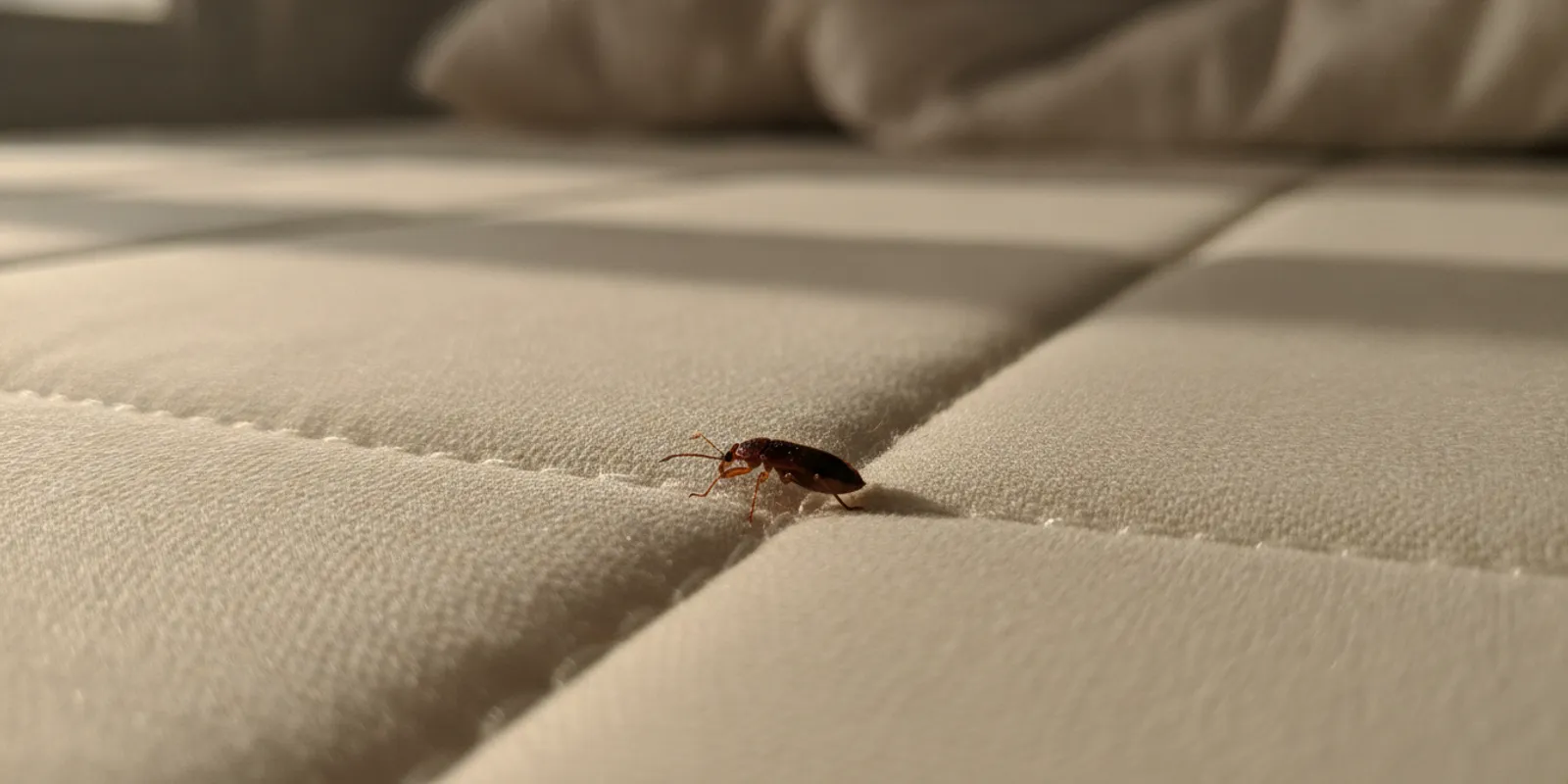
Earwigs are elongated insects, usually brown or dark, with a pair of conspicuous pincers at the rear. Their appearance can vary, so avoid relying on color alone. A clear photograph beside an object for scale can help with later identification; do not touch the insect to stage a picture.
Several insects can be mistaken for earwigs when seen briefly or in poor light. If the insect lacks the distinctive rear pincers, or its shape differs from what you expect, record the features you can see rather than forcing a guess. For help deciding whether a recurring insect concern warrants a professional look, see what to expect from a pest inspection.
Useful details include approximate length, body shape, color, whether the rear pincers were visible, and where the insect was found. Do not rely on a single feature such as size or color. If it moves away before you can photograph it, write down what you remember and where you saw it. That is better than disturbing a suspected hiding place or collecting an insect by hand.
Why might earwigs appear inside?
Earwigs often favor moist, sheltered places outdoors. They may wander inside through gaps around doors, windows, or utility openings, especially when conditions nearby suit them. A single insect may simply have strayed indoors; a repeated pattern is a better reason to check conditions.
Look for recurring sightings near a particular door, window, or ground-level opening.
Check for damp areas, leaf litter, mulch, or clutter close to the foundation.
Keep door sweeps and screens in usable condition, and close obvious gaps where practical.
Reduce unnecessary dampness and remove piles of plant debris near entry points.
Keep a dated record of sightings rather than treating every one as proof of a large population.
These housekeeping steps can reduce shelter or entry opportunities, but they cannot guarantee that earwigs will never appear. If you find them repeatedly indoors, focus on the specific place and pattern rather than applying a broad treatment without identifying the issue.
A useful check is to walk the outside of the area where sightings occur. Look for obvious gaps at thresholds, torn screens, accumulated leaves, or items stored against the foundation. Do not dismantle building components or seal a vent that is meant to remain open. Correct simple gaps where appropriate, and keep required drainage and ventilation clear. If the insect appears far from an exterior opening, note that too; it can help distinguish a likely entry route from a sighting that has no obvious connection.
Moisture management should be practical, not extreme. Remove standing water and avoid leaving wet materials against the house, but do not assume that every earwig means a leak. If you already know of a plumbing leak or persistent dampness, address that issue on its own merits. Keep mulch and garden debris from becoming a dense, undisturbed shelter immediately beside doors and foundation openings, while maintaining the landscaping you need.
What should homeowners avoid doing?
Avoid handling earwigs, spraying an unidentified insect without checking the product label, or using more product than the label allows. Do not treat an entire room or yard solely because you found one insect. Also avoid relying on a folk remedy or a claim that earwigs are trying to reach a person’s ear.
If you use any pest-control product, follow its label and directions. Keep children and pets away as directed. Because the right response depends on the pest and location, identification and inspection are more useful first steps than guessing at a treatment.
Do not pour household chemicals into cracks, mix products, or use an outdoor product indoors. Products differ, and the label sets where and how they may be used. A broad spray can expose people or pets without addressing the route or shelter that explains recurring sightings. If you cannot identify the insect or determine whether a product is appropriate, pause and seek reliable guidance rather than improvising.
How should you assess a repeated sighting?
Repeated sightings deserve a measured check, not an automatic conclusion. Use a short log for one or two weeks if the activity is intermittent. Record date, room or exterior location, approximate count, weather or moisture clues you noticed, and whether you found a likely opening nearby. If sightings are frequent, you do not need to wait to ask for help; the log is simply a way to make the description specific.
Compare the pattern. A few insects near one door may suggest a local entry opportunity. Earwigs seen in several rooms, on multiple days, or in a place with no clear exterior opening may warrant a closer look. These are clues, not a diagnosis. Do not assume the insects are breeding inside, and do not infer structural damage from their presence.
Check whether the count changes after simple steps such as clearing leaf litter near the entry, drying a persistently wet mat, or improving the fit of a door sweep. Make one change at a time when practical, so you can tell what may have helped. If the insects continue, gather the notes and photos rather than escalating to repeated pesticide applications without an identified target.
When should you request an inspection?
Consider asking for an inspection if earwigs keep appearing indoors, you find them in several rooms, or you cannot identify the insect. Before contacting a provider, note the property ZIP code, the rooms or exterior areas involved, how often sightings occur, and whether you are seeking a one-time assessment or ongoing help.
Pro Pest serves Sealy and the surrounding area. Its residential process begins with an inspection of activity, damage, conditions, and possible entry points; recommendations are based on what is found. A free, no-obligation inspection is a request, not a confirmed appointment or fixed-price quote. Learn more about residential pest control or review Pro Pest’s service information.
For a useful request, be ready to describe whether the property is a home or business, the ZIP code, the type of pest you suspect, where it has appeared, and whether you want a one-time assessment or ongoing service. Do not assume that every address in a broad regional target area is eligible; ask about your specific location. An inspection can help clarify the situation, but findings should guide any recommendation rather than a promise of a particular result before the property is assessed.
If the concern is at a business, explain whether insects are appearing in customer areas, storage, a service entrance, or another part of the property. Commercial needs differ from residential ones, so the site and pest should be described clearly. You can review commercial pest-control information before making an inspection request.
How can you make an inspection request useful?
A concise description helps an inspector focus on the conditions connected to the sighting. Start with the property type and ZIP code. Say whether you saw one insect or several, where you found them, and whether the sightings occurred on different dates. If the insect was outdoors, distinguish a garden or patio observation from one found inside. This avoids treating every outdoor earwig as an indoor pest issue.
Next, describe what you have already checked. Mention a damaged screen, a door that does not close tightly, wet leaves by a threshold, or a recurring damp spot if you observed one. Keep the language factual: “I found two insects beside the laundry-room door on separate evenings” is more useful than “the house is infested” when you have not established that. Share a photo if it is clear, but do not collect insects or disturb a potential hiding place just to provide evidence.
Explain what outcome you are seeking. A one-time assessment is different from asking about ongoing service. Pro Pest's free inspection request does not constitute a confirmed appointment or a fixed-price quote. Ask what information is needed to determine whether the address is within the service area and what the inspection process includes. For general context on how an inspection works, see the pest inspection guide.
There is no need to prepare a long story or diagnose the pest yourself. A short timeline, exact locations, and any relevant conditions are a practical starting point. If the insect turns out to be something else, accurate observations still help direct the conversation toward the right identification question.
What should businesses consider when earwigs appear?
For a business, first note whether the insect appeared in a public-facing room, a staff area, a loading entrance, a storage space, or an outdoor seating area. This distinction helps describe the concern without assuming all parts of the property have the same conditions. Keep any immediate response measured: remove a single insect without bare-hand contact, make the area accessible for observation, and avoid an unlabelled or improvised pesticide application.
Take account of routine operations. A door held open for deliveries, stored items against an exterior wall, damp floor mats, or landscaping beside an entrance may be worth noting if present. Do not interrupt required ventilation, drainage, sanitation, or safety procedures as a pest measure. If a service entrance is involved, record when it is open and whether the sightings follow a particular activity, such as deliveries or cleaning.
Share the property type, ZIP code, suspected pest, affected areas, frequency, and whether the request is for a one-time assessment or ongoing service. Commercial pest needs vary by site, so a clear description is preferable to assuming a particular treatment or schedule. Pro Pest's commercial information is available at its commercial pest-control page. The inspection should inform recommendations; do not expect an online description or a single insect to determine a treatment plan in advance.
If the insect is found in a customer area, a calm response matters. Remove it safely, check nearby access points when feasible, and document the location. Avoid making dramatic claims to staff or customers about danger. The evidence here supports a limited risk from direct handling, not an assumption that an earwig sighting indicates a health emergency or structural problem.
How can you check your observations without overreacting?
Use a simple repeatable method. First, note what you directly saw: number, approximate size, visible rear pincers, and location. Second, note conditions that may matter, such as dampness, debris, a nearby door, or an open window. Third, take a photo from a safe distance if possible. Finally, compare later sightings to the first rather than treating each event as unrelated or assuming a large hidden population.
For example, suppose a homeowner finds one earwig in a bathroom after leaving a damp bathmat on the floor. That observation alone does not show where the insect came from or prove a broader problem. Drying the mat, checking the window screen, and noting whether another insect appears would be a reasonable sequence. If no further sightings occur, there may be no reason to escalate. If several appear at the same threshold on different nights, the repeated location is a useful clue to inspect.
In a different case, a person may see insects outdoors among leaf litter and none inside. That is not the same pattern as recurring indoor appearances. If plants are affected, inspect the leaves and seedlings for fresh holes and consider whether the damage is continuing. A garden observation should not automatically be described as a home infestation.
Another example is an insect seen briefly in a dim hallway with no photograph. Rather than committing to an identification, record its shape and where it disappeared. If it appears again, try to capture a clear image without touching it. A careful description is more dependable than a confident guess based on a fleeting glimpse.
These examples illustrate why the sequence matters: observe, document, make modest corrections, and reassess. They do not establish that every earwig sighting has the same cause. If the pattern persists or the insect remains uncertain, professional identification may be more useful than repeated home treatments.
What is the practical next step?
Earwigs may pinch or bite if handled, but they are generally not dangerous to people. Avoid direct contact, note repeated activity, and address obvious damp or entry conditions; if the concern continues, request an inspection so the insect and situation can be assessed before deciding what to do.
When you describe the concern, share the property type, ZIP code, locations, dates, and whether you want a one-time assessment or ongoing service. A measured record will help keep the next step focused on what you have actually observed.
Comments