Kissing Bug for Sealy-Area Homeowners
Found a kissing bug in your home or near a door in Sealy? The name can sound alarming, but a single insect is not proof that anyone has Chagas disease or that a home is infested. The useful first step is to avoid touching it, document what you saw, and decide whether you need medical guidance, a pest inspection, or simple prevention steps.
What should you do first if you see a suspected kissing bug?
Do not pick up or crush an unidentified insect with your bare hands. Instead, keep children and pets away, take a clear photograph from a safe distance, and note where and when you found it. If the insect is still present and you can contain it without direct contact, use a container and stiff paper or another barrier. Do not put yourself at risk to capture it; a photo and a description can still help an expert assess the situation.
Clean the area if the insect has been crushed or there is material that could be insect waste. Wear disposable gloves or use a barrier, avoid touching your face, and wash your hands afterward. If you suspect that insect material got into an eye, mouth, or open wound, contact a health professional or local public-health authority for advice. That is a precaution, not a conclusion that infection has occurred.
Make a short record while details are fresh:
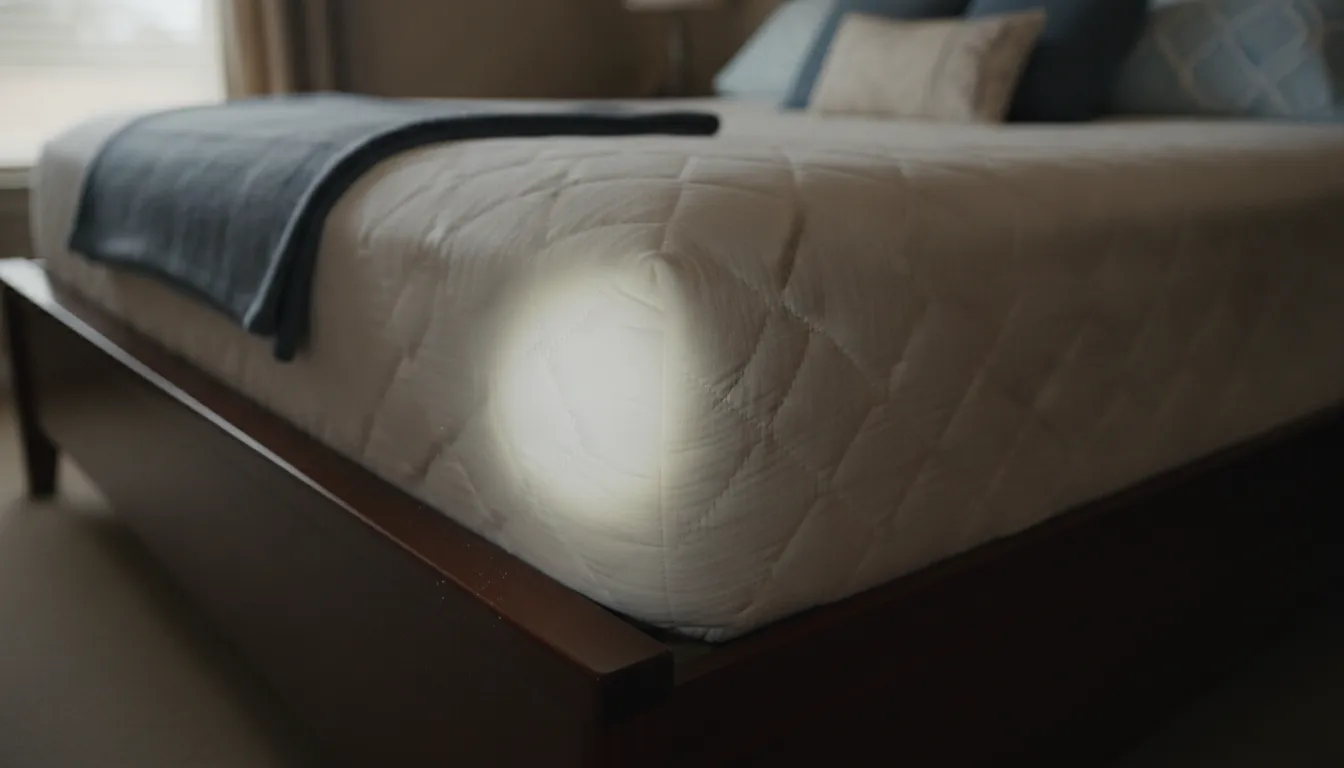
Where it was: inside a bedroom, on a wall, near a porch light, or outdoors.
Whether it was alive, dead, or crushed.
Whether anyone noticed a bite or skin reaction, and when.
Whether you have seen one insect or several, and whether you have photos.
These observations help separate a one-time insect encounter from a recurring entry or pest concern. Do not use a household spray on an insect you have not identified, particularly near food, children, pets, or sleeping areas. Follow product labels for any pesticide use, and do not mix products.
How to handle the first few minutes
Start by giving the insect space and moving people and pets away from it. If it is on a surface, do not try to brush it into your hand or trap it against your skin. If it is already dead, leave it where it is until you can decide whether a photo is useful and how to clean the area safely. If it is moving, avoid a rushed attempt to capture it; a clear image from a distance is better than risking contact.
Then distinguish what you know from what you suspect. “A dark insect with a long head found beside the bedroom window at 10 p.m.” is a useful observation. “A confirmed kissing bug carrying a parasite” is not supported by appearance alone. Keeping those statements separate helps a pest professional or health professional give more relevant advice and prevents a tentative guess from becoming a household conclusion.
What is a kissing bug?
Kissing bugs are blood-feeding insects in the triatomine group. They are also called triatomines or cone-nosed bugs. The nickname comes from their tendency to feed on exposed skin, sometimes around the face, while a person or animal is resting. The insect's common name can understandably raise concern, but its presence alone does not tell you whether it carries a disease-causing parasite.
Some triatomine bugs can carry the parasite Trypanosoma cruzi, which causes Chagas disease. A bite itself is not the same thing as infection. Transmission generally involves infected bug feces getting into a bite wound or a mucous membrane, such as the eye or mouth. Not every kissing bug carries the parasite, and finding one does not establish exposure or illness. For general public-health information, consult the Centers for Disease Control and Prevention; for personal medical concerns, speak with a qualified health professional.
This distinction matters because it gives you a sensible response: take an unfamiliar insect seriously enough to avoid handling it, but do not assume the worst from a sighting. Focus on the evidence you actually have and ask the right professional for the next step.
How can you tell whether an insect might be a kissing bug?
Adult kissing bugs are generally flattened, elongated insects with a narrow, cone-like head and a long, straight-looking beak used for feeding. Many have a dark body with lighter, orange, red, or yellow markings along the outer edges of the abdomen. Size, color, and markings can vary by species and life stage, and a photo can distort those details.
Several other insects can look similar at a glance. Some assassin bugs are close relatives; leaf-footed bugs and other outdoor insects may also be mistaken for triatomines. A person may notice a dark body or long legs and jump to a conclusion, but one visual feature is not enough for a reliable identification. Even online photos may not show the angle or details needed to distinguish look-alikes.
Use a photograph as documentation, not as a final diagnosis. If you take one, photograph the insect from above and from the side, if safe, and include an object for scale without touching it. Save the original image rather than relying on a heavily cropped or filtered copy. A local pest professional or public-health office may be able to tell you what identification options are available in your area.
Details worth noting
- Body shape:
Note whether it appears long and flattened or broad and rounded.
- Head and mouthparts:
A cone-shaped head and prominent beak may be useful clues, but do not handle the insect to inspect them.
- Edge markings:
Record visible light or reddish markings along the abdomen, if the photo shows them clearly.
- Location:
Note whether it was found indoors, outdoors, near an animal area, or close to a light or entry point.
- Frequency:
Write down whether this is a single sighting or one of several over time.
When in doubt, describe it as a suspected kissing bug rather than stating that it has been positively identified. That wording helps keep your next decisions grounded in evidence.
What makes a useful insect photo?
Take the picture in steady light, keep the camera still, and try to show the full insect rather than only its head or markings. If a second view is safe, capture the side and top so the body shape is visible. Put a familiar object nearby for scale only if you can do so without approaching or touching the insect. Do not use a filter that changes color, and keep the original image with its date and time if your device records them.
Include a separate note about where the insect was found. A photo without context may show a body pattern but not whether it came from a bedroom, a porch, a storage area, or outdoors. If you share images with a professional, explain that you are asking about a possible identification, and do not present the photo as proof of disease or an infestation.
Where might kissing bugs appear around a home?
Triatomine bugs are associated with outdoor environments where they can find shelter and animal hosts. Depending on the setting, they may be found around cracks and crevices, wood or brush piles, animal shelters, or other protected spaces. Outdoor lights can attract many kinds of insects, so an insect near a light is a clue about where it was found, not proof that it is a kissing bug.
A bug that gets inside may have entered through a gap around a door, window, utility opening, or another unsealed space. It may also have come in on an item or arrived by another route. One indoor sighting does not prove that the home has a nest or an established population. The location, repeated sightings, and other signs all matter.
Look at the immediate area calmly. Check for obvious gaps and damaged screens, and consider whether outdoor clutter, stored materials, or animal shelters are close to the building. You do not need to tear apart walls or move heavy materials to investigate one insect. A careful visual check is enough to identify basic entry points and record conditions that might warrant a closer inspection.
For homes with recurring insect activity, it can be useful to review the company's residential pest-control information and ask what an inspection can assess. A property visit can help evaluate visible pest activity and conditions that may allow insects to enter; it cannot retrospectively prove that a particular bug carried a parasite.
How to check a likely entry area
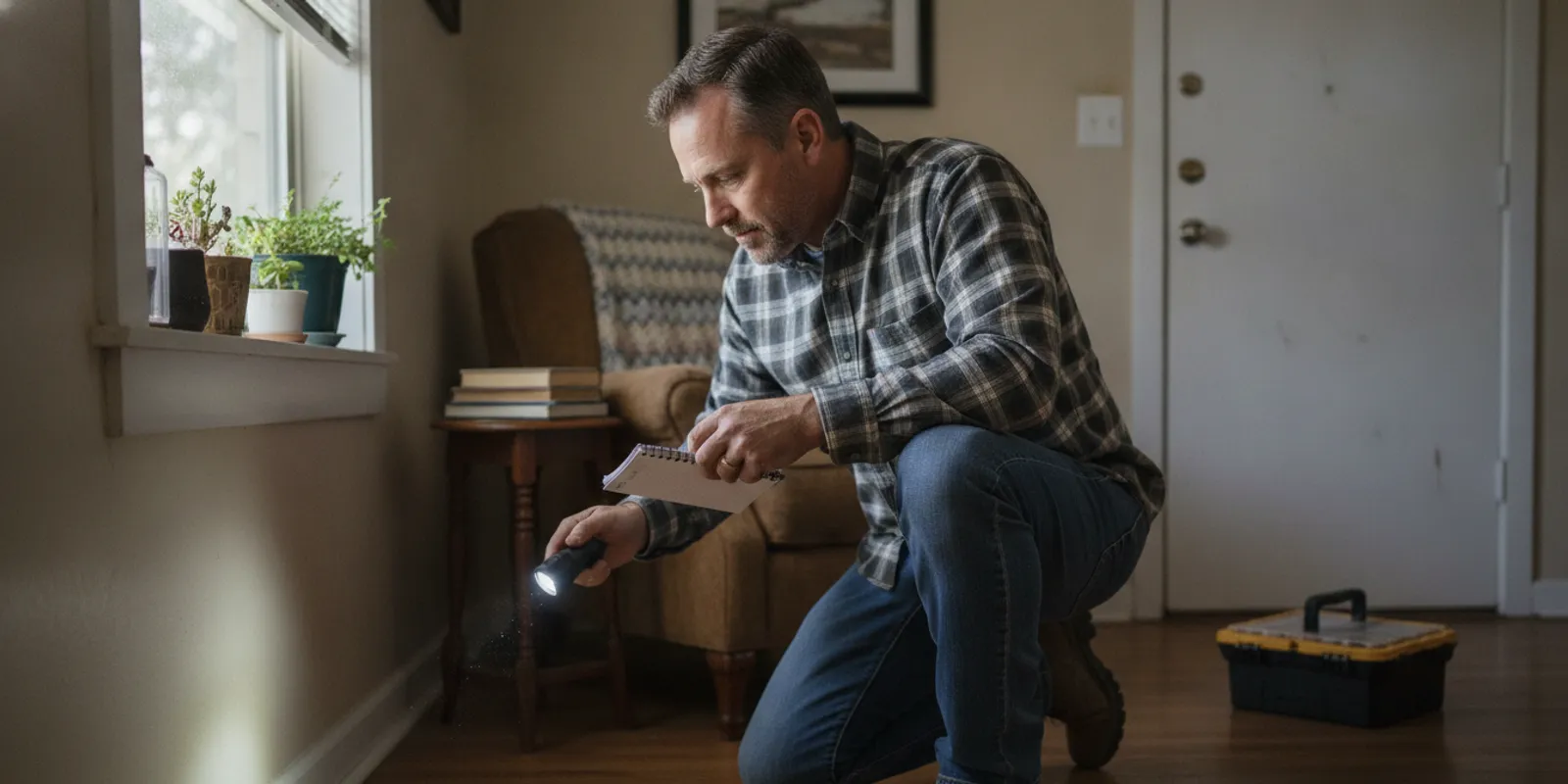
Begin with the place where you saw the insect, then inspect nearby doors, windows, screens, and visible utility penetrations. Look for daylight showing around a closed door, a torn screen, a loose sweep, or an open gap around a pipe or cable. Note any issue rather than attempting a complicated repair on the spot. A simple list or photo of the gap can help a qualified person assess what kind of repair is appropriate.
Next, look just outside the same area. Is there stored material, dense vegetation, a protected space, or a light close to the opening? Record what is present, but do not disturb wildlife, dismantle a structure, or move heavy piles just to search for insects. The purpose of this walkthrough is to notice practical conditions, not to prove where an individual bug came from.
Keep the inspection focused. Check a reasonable path around the sighting rather than searching every wall cavity or pulling furnishings apart without a reason. If you notice repeated activity in a particular room or the same opening, that pattern is more useful to report than an extensive but undocumented search.
Does finding a kissing bug mean you have Chagas disease?
No. Finding an insect that resembles a kissing bug does not mean that a person has Chagas disease. Even a confirmed triatomine would not establish that it carried Trypanosoma cruzi or that the parasite entered someone's body. Those are separate questions for appropriate identification and medical assessment.
Risk depends on facts that a homeowner usually cannot determine just by looking at an insect: the insect's identity, whether it was infected, whether it fed, and whether infectious material reached a route of entry. A bite or itchy mark alone cannot answer those questions. Many insect bites and skin reactions have other explanations.
If someone has a bite or possible contact with insect waste, note the timing and circumstances and contact a clinician or public-health authority for individualized guidance. Explain what you saw, where it was found, whether the insect was captured or photographed, and whether it may have contacted an eye, mouth, or broken skin. Do not use a home test or internet image to diagnose infection, and do not delay urgent care if a person is seriously unwell.
Keep the tone proportionate. There is no need to alarm everyone in the household based only on a sighting, but it is reasonable to preserve a photo, avoid contact with the insect, and ask a medical professional if there was a plausible exposure or a health concern.
Keep the property question separate from the health question
A pest inspection can help assess whether there is insect activity or an entry condition on the property. It cannot test a person for Chagas disease or establish whether an insect carried a parasite. Conversely, a medical conversation can address symptoms or possible exposure, but it does not identify the source of a recurring insect problem at a building.
When you contact either type of professional, tell them which question you need answered. For a property concern, share dates, locations, photos, and any repeated observations. For a health concern, describe possible contact and any symptoms or timing. You may have both questions, and it is reasonable to contact both professionals, but do not treat one assessment as a substitute for the other.
What should you do after a bite or possible exposure?
If you notice a bite, wash the area gently with soap and water. Avoid scratching it. A cold compress may help with ordinary local discomfort, but do not assume that a skin reaction identifies the insect. Seek prompt medical attention for severe swelling, trouble breathing, faintness, or another serious reaction. For a suspected kissing-bug exposure without an emergency, contact a clinician or public-health office and explain the details rather than trying to treat a possible infection yourself.
If insect material might have entered an eye or mouth, or contacted an open wound, rinse the area with clean water and seek professional advice. Do not apply pesticide, disinfectant, or other chemicals to skin, eyes, or a wound. If you retained the insect or took a photo, tell the clinician or public-health contact that it is a suspected identification, not a confirmed one.
For pets, prevent further contact with the insect and call a veterinarian if you are concerned about a bite or exposure. Do not give a pet human medication or apply a pesticide unless a veterinarian directs you to do so. A pest-control inspection can address the property question, while a clinician or veterinarian addresses health questions; one does not replace the other.
What information helps when you call?
Before you call, jot down when the insect was found, whether anyone may have been bitten, and what kind of contact you are concerned about. State whether there is a visible skin reaction, but avoid assuming the reaction proves what caused it. Mention if the insect is still available or if you have a photo. These details help the health professional decide what questions to ask; they do not require you to diagnose the event first.
If symptoms are severe or rapidly worsening, do not wait to gather every detail or to confirm an insect identification before seeking urgent care. For less urgent concerns, ask the clinician or public-health office what follow-up, if any, is appropriate. Advice can depend on individual circumstances, so generic pest information should not replace a personal medical assessment.
How can you reduce the chance of insects entering?
Basic exclusion and housekeeping steps can make a building less accessible to insects, whether or not the insect you saw was a kissing bug. Start with practical measures you can maintain:
- Repair screens:
Patch tears and make sure screens fit their frames.
- Close gaps:
Check door sweeps, weather stripping, and visible gaps around window or utility openings. Use suitable materials for the opening and ask a qualified contractor about repairs beyond your skill level.
- Reduce clutter near the structure:
Store firewood and similar materials neatly and away from exterior walls when practical. Keep brush and debris from accumulating against the building.
- Review outdoor lighting:
Consider whether bright lights near entrances are drawing insects close to doors and windows. Use lighting that meets household safety needs while reducing unnecessary attraction to entryways.
- Keep doors closed:
Check that exterior doors close fully, particularly at dusk and overnight.
- Inspect items brought indoors:
Look over outdoor gear, stored materials, or pet bedding if you have reason to think an insect could be hiding in them.
These steps reduce opportunities for insects to get indoors; they do not guarantee that a home will be insect-free. They are also not a substitute for identifying a recurring pest problem. If you repeatedly find similar insects, record the dates and locations and ask for an inspection rather than applying a treatment without knowing what you are targeting.
Do not disturb a wild animal nest or den in an attempt to remove a potential food source for bugs. Wildlife can bite, carry disease, or be protected by local rules. If an animal structure needs attention, consult the appropriate local professional or authority.
A practical weekly check for a recurring concern
If you have noticed more than one insect, set a brief, consistent routine rather than searching unpredictably. Once a week, check the same doors, windows, screens, and nearby exterior areas and note the date. Keep the check visual and safe. If you find an insect, photograph it from a distance and record the location; do not touch it or spray it as part of the routine.
Use the notes to distinguish a repeated pattern from separate, unrelated sightings. For example, several insects found near the same door over a short period point to a location worth discussing, while a single outdoor insect on a porch weeks earlier may not tell you much about indoor activity. This is not a diagnostic threshold; it is a way to provide a clearer record when asking for advice.
Make repairs based on what you can confidently address, such as replacing a damaged screen or restoring a loose door sweep. If a gap involves wiring, plumbing, structural material, or work at height, ask an appropriate qualified person. Avoid sealing a space if you suspect an animal is inside it; get qualified advice first.
When is one sighting enough to request a pest inspection?
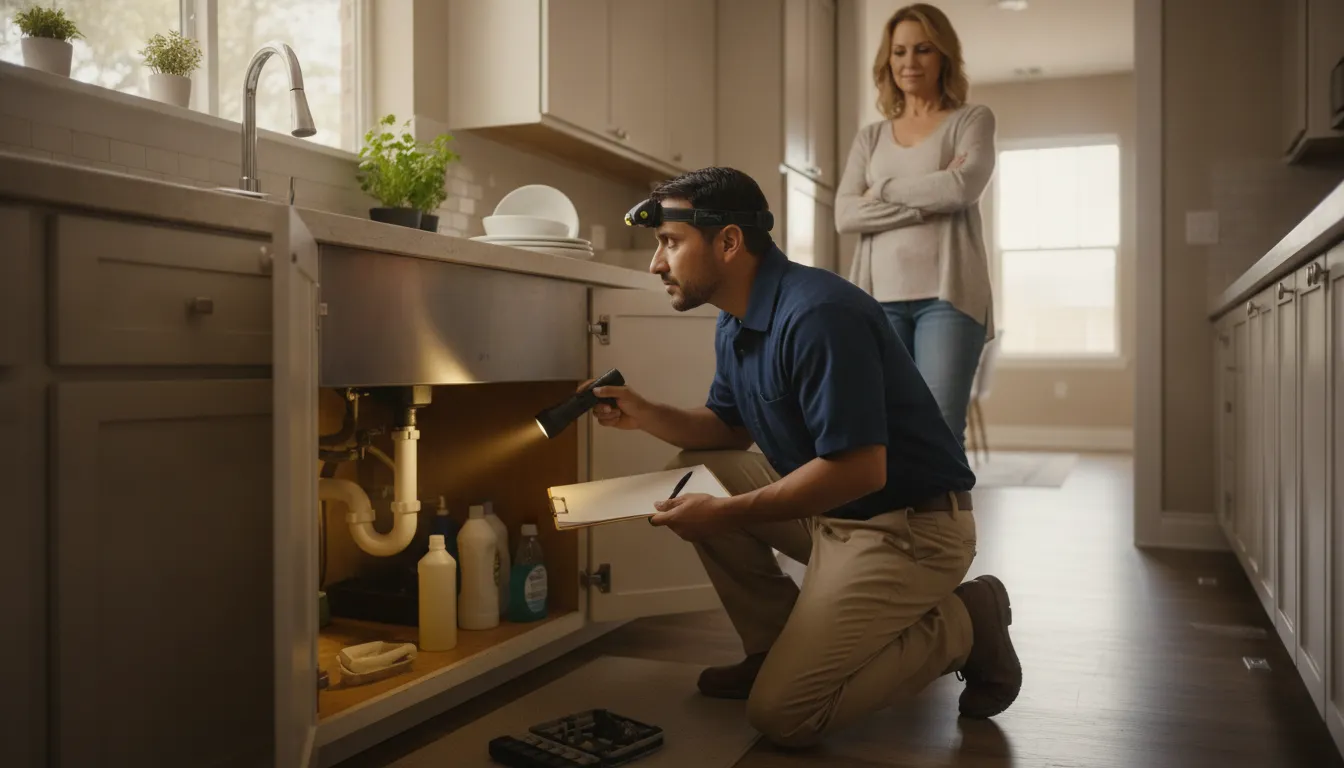
A single insect outdoors may not justify a home treatment, especially if it is not identified. The decision changes if you keep finding similar bugs inside, find insects in a bedroom or near a sleeping area, notice a potential entry point, or cannot determine whether activity is recurring. An inspection can help establish what pests or conditions are present and what options are appropriate.
Before requesting help, gather the photos and notes you have. Write down the room or exterior area, date, time, number of sightings, and any steps already taken. Mention whether the insect was found alive or crushed, and whether anyone had a bite or possible contact with insect waste. Do not exaggerate a tentative identification; clearly separate what you observed from what you suspect.
Pro Pest describes residential inspections that look for pest activity, damage, conducive conditions, and potential entry points, followed by treatment based on findings. The company also describes an initial treatment and optional regular exterior visits, but the right scope depends on the inspection and the actual pest issue. You can read about Pro Pest's services or request a free pest inspection to discuss what was found and what next steps make sense.
An inspection is a property assessment, not a medical test and not a guarantee that a suspected insect can be identified from a brief sighting. Ask what the inspection covers, what evidence supports the identification, and whether any proposed treatment is directed at a confirmed pest. If health exposure is your concern, contact a clinician or public-health office separately.
What to have ready for the inspection conversation
Share the most useful details first: the number of insects, dates, exact rooms or exterior areas, and whether the sightings repeat at one location. Show the original photos if you have them. Point out visible gaps, damaged screens, or nearby storage without claiming those conditions caused the sighting. If you have already used a pesticide, tell the professional what product was applied and where, and follow its label directions.
It also helps to explain what you want clarified. You may be asking whether the insect is a pest of concern, whether the building has a recurring issue, or what repairs could reduce entry. These are related but distinct questions. Ask what the inspection can determine and what would require a separate identification resource or health professional.
What questions should you ask before agreeing to treatment?
Before any pesticide application, make sure you understand the pest being addressed and the reasoning behind the recommendation. Ask the technician to explain the signs they observed, what areas will be treated, and what preparation or follow-up is needed. A clear explanation lets you decide whether the proposed work matches the problem you reported.
What insect or pest did you identify, and what features support that identification?
What conditions or entry points did you find?
Which parts of the property would be treated, and why?
What product or method is proposed, and what label directions or safety precautions apply?
Do people or pets need to leave an area, and when may they return?
Is a return visit recommended? If so, what observation or condition would make it necessary?
What can I do to reduce entry or shelter conditions between visits?
What does the quoted service include, and what is not included?
Do not infer that a company offers a particular kissing-bug-specific treatment, monitoring plan, or outcome unless it confirms those details for your property. Ask for the scope in plain language before service. Product labels and the technician's instructions take precedence over generic advice, since the correct precautions depend on the method and location of application.
How to compare proposed next steps
When you receive a recommendation, compare it with the evidence gathered during the inspection. If the professional found a confirmed pest or recurring activity, ask how the proposed work addresses that finding and what change you should watch for afterward. If the identification remains uncertain, ask whether the first step is more documentation or a different identification resource rather than assuming treatment is automatically useful.
Also distinguish prevention work from treatment. Repairing a screen or closing an appropriate gap may reduce an entry opportunity; pesticide application is a separate decision that should have a stated target and follow label directions. Ask which measures are included, which are your responsibility, and whether any follow-up depends on new observations. Clear scope and realistic expectations make it easier to judge whether a plan fits the issue.
What should commercial property owners do?
For an apartment, restaurant, office, hotel, warehouse, or other commercial site, a suspected kissing bug is a reason to document the finding and follow the property's pest-reporting process. Ask the person who found it to avoid handling it, preserve a photo if safe, and record the exact location and time. Keep tenants, customers, staff, and pets away from the immediate area if the insect is still present.
Property managers should consider the setting rather than assuming that the same response fits every site. In a food-service area, for example, follow the site's sanitation and pest-control procedures. In lodging or multifamily housing, record which unit or room was involved and whether there have been other sightings. In a warehouse, identify the receiving or storage area without moving potentially contaminated material unnecessarily. Maintain clear communication while an identification is pending.
Commercial pest planning can involve more than removing one insect. The commercial pest-control page describes service for several types of properties, but specific inspection scope, documentation, visit timing, and contract terms should be discussed directly for the site. Do not promise tenants or customers a health conclusion based on a visual identification. Refer medical concerns to health professionals and focus the property's response on documentation, sanitation, entry conditions, and appropriate pest assessment.
A simple reporting sequence for a business
Assign one person to receive reports and preserve the details. Record the time, exact room or zone, whether the insect is still present, and who has been notified. Ask the finder to take a photo only if it can be done safely, and do not ask staff to handle, transport, or spray an unknown insect. If the insect is still in a work or guest area, use the property's routine to limit access while an appropriate person responds.
Next, check whether the location is associated with other reports, an exterior door, a receiving area, or a maintenance concern. Do not merge unrelated reports into one confirmed infestation before someone assesses the evidence. If the property has established pest-control or health-and-safety procedures, follow those procedures and keep records consistent with them. For a suspected exposure or symptoms, direct the person to a health professional rather than trying to answer a medical question through a property inspection.
When requesting commercial service, explain the building type, affected area, operating needs, and any safety or access requirements. Ask what can be assessed during an inspection and what documentation the provider can supply. The public service page does not set out a specific kissing-bug protocol or commercial response time, so confirm those details directly instead of making a promise to occupants.
What should you avoid doing?
- Do not touch or crush an unknown bug with bare fingers.
A barrier helps limit contact with the insect and any material it may leave behind.
- Do not assume every look-alike is a kissing bug.
Misidentification can cause needless alarm or lead to an irrelevant treatment.
- Do not assume a confirmed kissing bug carried a parasite.
Appearance alone cannot determine infection or human exposure.
- Do not spray first and investigate later.
Unnecessary or incorrect pesticide use may create avoidable exposure and may not address the source.
- Do not treat a bite as a diagnosis.
Seek medical advice for health concerns; a pest professional cannot diagnose disease.
- Do not tear open walls or disturb animal nests based on one sighting.
Record the evidence and get qualified guidance before disruptive work.
These cautions are not a reason to ignore a repeated problem. They help keep the response specific: document the insect, protect people and pets, seek medical advice when exposure is plausible, and arrange a property inspection when the sightings or conditions call for it.
What is the practical way to decide?
Use the evidence to choose the next step. For one unconfirmed insect outdoors, take a photo if safe, note the location, and review basic entry points. For an insect indoors, avoid contact and document the room and circumstances. For repeated sightings or a possible entry issue, request a pest inspection and ask what the findings support. For a bite, contact with insect waste, or health symptoms, seek advice from a clinician or public-health authority; call emergency services for a severe reaction.
Keep the pest question and the health question separate. An inspection can help assess property conditions and pest activity, while a medical professional can assess a person's exposure and health. Neither a name, a photo, nor a single sighting is enough to answer both questions.
Choose the response that fits what you observed
One insect outside: Avoid handling it, take a photo from a safe distance if useful, and note where it appeared. A visual check of nearby screens, doors, and clutter may be enough for now. If it is not recurring and no one has a health concern, do not assume that a treatment is needed.
One insect indoors: Keep people and pets away, document the insect and the room, and check nearby entry points without tearing into the structure. If you cannot identify it or are concerned about the location, ask a pest professional what an inspection could clarify.
Repeated similar insects: Make a dated log with photos and locations. Look for a pattern in where they appear, and request a property assessment if activity continues or you find possible entry conditions. Share observations without presenting a tentative identification as certain.
Possible human or pet exposure: Contact the appropriate health professional or veterinarian for personal guidance. A photo or pest inspection may help with the property question, but it cannot determine an individual's health status.
Frequently asked questions
Are kissing bugs common in Texas?
Triatomine bugs occur in parts of the southern United States, including Texas, but a particular insect found at a home still needs identification. A sighting does not show how common they are at your address or whether that insect carries a parasite.
Can a kissing bug bite while someone is asleep?
These insects may feed on people or animals while they are resting, and a bite may not be noticed at the time. If you suspect a bite, the mark alone cannot confirm which insect caused it. Record the circumstances and contact a health professional if you are concerned.
Should I save the bug?
A clear photo may be enough to begin asking about identification. If you choose to preserve the insect, avoid direct contact and use a sealed container only if you can do so safely. Ask the receiving professional or public-health office what collection method they accept before sending or transporting it.
Does pest control treat Chagas disease?
No. Pest professionals assess insects and property conditions; they do not diagnose or treat human disease. A clinician or public-health authority is the right contact for possible exposure or symptoms. Property treatment, if recommended, addresses a pest or entry issue and does not replace medical care.
Can a single kissing bug cause an infestation?
One sighting alone cannot establish that a home has an infestation. The insect may have entered from outdoors, and its identity may not yet be confirmed. Repeated sightings, locations, and inspection findings provide a better basis for deciding whether additional pest work is needed.
A calm, documented response is the best starting point: avoid handling a suspected kissing bug, record what you observed, and choose medical or pest-control guidance based on the concern at hand.
Comments