German Cockroach Identification and Control Guide
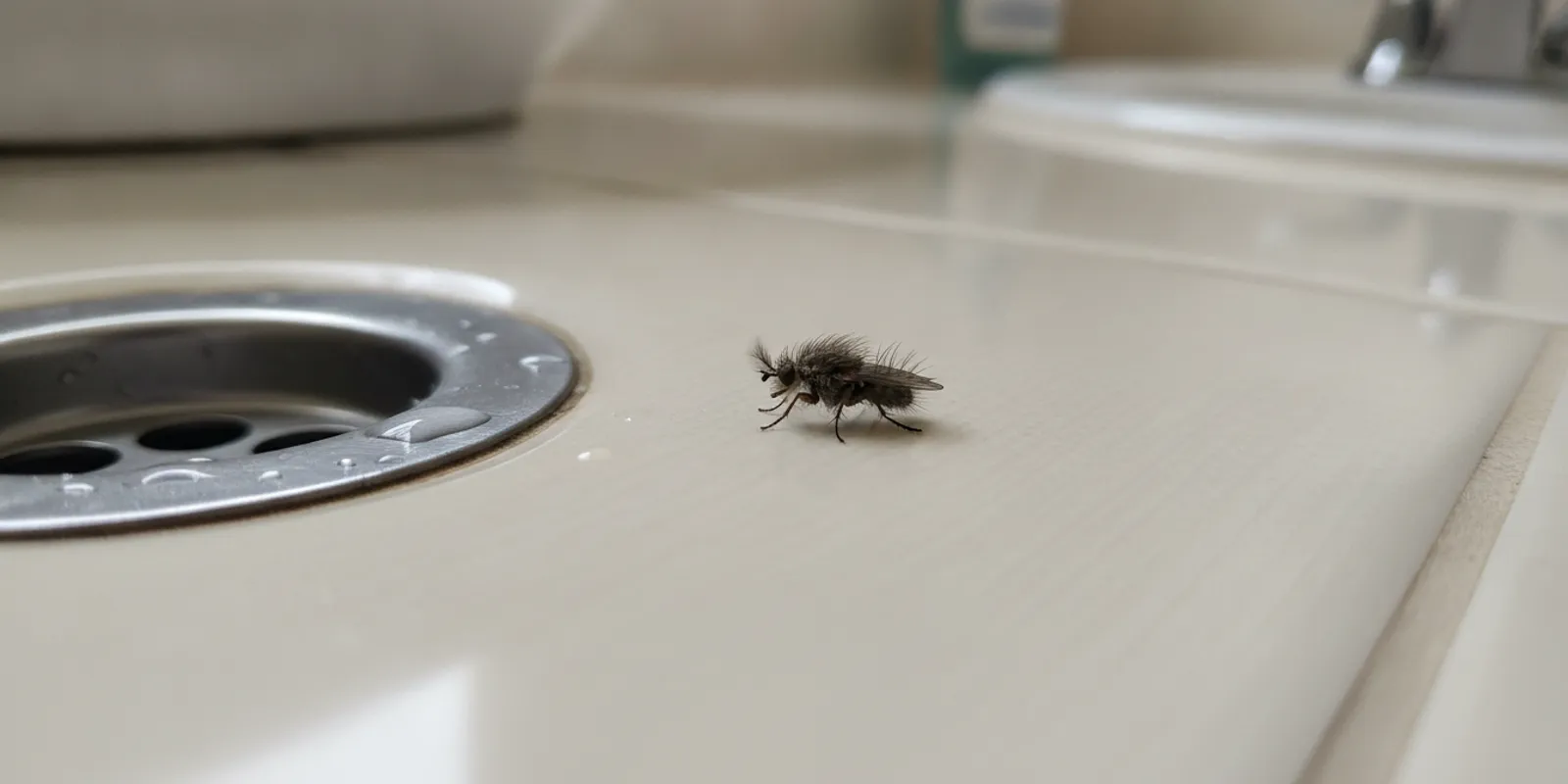
Seeing a small roach near a sink or kitchen cabinet can raise an immediate question: is it a German cockroach, and what should you do next? A German cockroach is a common indoor pest that can be difficult to manage once it is established. Correct identification helps you focus inspection and control where activity is concentrated instead of treating the wrong insect or relying on a quick surface spray.
What is a German cockroach?
The German cockroach, Blattella germanica, is a small cockroach closely associated with indoor buildings. It tends to stay near food, water, warmth, and narrow places where it can hide. Kitchens and bathrooms are common areas to inspect, but roaches can also occupy appliances, storage areas, and other rooms if conditions allow.
Unlike large outdoor-associated roaches that may occasionally wander inside, German cockroach activity often points to a nearby indoor harborage or a route into the building. A sighting does not reveal the full extent of activity by itself. Roaches are most active in darkness and can stay hidden in cracks during the day, so a careful inspection matters more than judging the problem by what is visible at one moment.
German cockroaches can spread between rooms and, in multi-unit buildings, may move between neighboring spaces through gaps and shared building features. They can also be introduced with items brought indoors. Finding one does not establish how it arrived, how long it has been present, or whether a particular household caused the problem.
How can you identify a German cockroach?
An adult German cockroach is usually light brown to tan and roughly half an inch long. The most useful visual clue is a pair of dark, nearly parallel stripes immediately behind the head, on the shield-like area called the pronotum. The body is relatively flat and oval, with long antennae. Adults have wings, but the presence of wings does not mean they commonly fly around a room.
Young cockroaches, called nymphs, are smaller and do not have fully developed wings. Their coloring changes as they grow, and they may look darker than adults. A newly hatched nymph can be difficult to identify from a quick glance. Look for multiple clues: size, the pattern behind the head on adults, where the insect was found, and whether other signs of activity are nearby.
For a reliable comparison, North Carolina State Extension's overview of German cockroach biology and behavior describes the species and its habits. The University of Minnesota Extension also lists the German cockroach among household species and describes its preference for warm, humid settings in its cockroach identification guidance.
What does a German cockroach look like compared with other roaches?
Several cockroach species can enter buildings, and color alone is not enough to name one. The size and stripe pattern can help narrow the possibilities. If identification will determine what you do next, save a clear photo or, if practical, a specimen in a sealed container rather than crushing it before you can examine it.
- German cockroach:
Small and light brown, with two dark stripes behind the head. Adults are often found near indoor food and water sources.
- Brown-banded cockroach:
Also relatively small, but typically has lighter bands across the body or wings rather than the two prominent dark stripes behind the head. It may be found in drier, warmer locations, including higher furniture or upper cabinets.
- American cockroach:
Much larger and reddish brown, with a pale marking around the area behind the head. It may be associated with drains, utility spaces, or other damp areas.
- Oriental cockroach:
Usually darker and larger than a German cockroach, with a shiny, dark appearance. It is often associated with cool, damp areas.
- Asian cockroach:
Similar in appearance to the German cockroach, so visual identification can be challenging. Behavior and where it is found can help, but a photo or specimen may need expert review.
These are general clues, not a guarantee of identification. Lighting, the insect's age, damage to its body, and the angle of a photograph can obscure markings. If the insect does not clearly fit the description, avoid making a treatment decision based on a guess.
Where do German cockroaches hide?
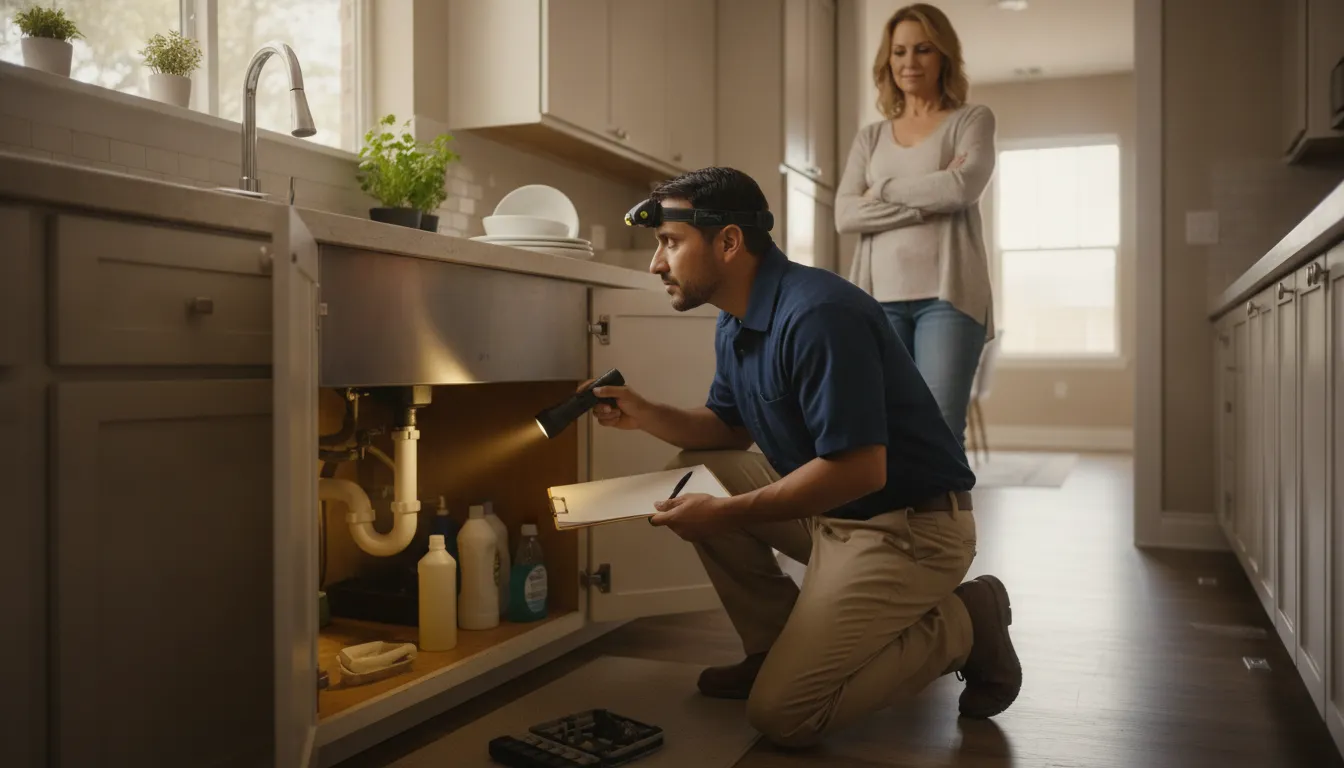
Start where food, water, and warmth overlap. In a kitchen, inspect the undersides and backs of appliances, cabinet corners, hinges, drawer runners, pipe openings, and narrow seams near counters. Check around the refrigerator motor area, dishwasher, and stove without moving heavy appliances in a way that could cause injury or damage. A flashlight can help reveal insects and droppings in dark gaps.
In bathrooms, look around plumbing penetrations, vanity cabinets, and other sheltered spots where moisture may be available. Also check pantry shelves, stored paper or cardboard, small appliances, and areas where bags or deliveries are unpacked. German cockroaches do not need to be seen in every room for an inspection to be useful; a few observations at likely harborages can help determine where activity is concentrated.
During the day, look for insects tucked into tight spaces rather than out in the open. If roaches scatter when a light is switched on, note the location and direction they move. Avoid pulling apart electrical equipment or applying products inside appliances. These can create safety risks and may put pesticide where food, dishes, or surfaces are exposed.
What signs suggest German cockroach activity?
Live insects are one sign, but they are not the only one. A useful inspection combines observations across several places and times. Record what you see rather than relying on memory, especially if you are monitoring before requesting help.
- Repeated sightings:
Note the date, time, room, approximate size, and exact location. Several sightings in a kitchen or near plumbing deserve closer attention.
- Droppings:
Small dark specks or smears may appear near hiding places, along cabinet seams, or around appliance edges. Other dirt can look similar, so do not use droppings alone to confirm a species.
- Egg cases:
A female German cockroach carries an egg case for much of its development before depositing it near a sheltered place. A small brown capsule may be a clue, but other material can be mistaken for one.
- Shed skins:
Growing nymphs molt, leaving behind pale, lightweight shells near places they hide.
- Unusual odor or staining:
A strong, persistent musty odor or dark marks can accompany substantial activity, but neither proves that the source is cockroaches.
One insect may have entered with an item, or it may indicate a larger hidden group. A single sighting cannot settle that question. Repeated observations, nymphs, egg cases, and activity in more than one nearby hiding place are reasons to inspect more carefully.
What should you do after seeing one?
Take a moment to document what happened. Write down the room, location, approximate size, time, and whether the insect had the two dark stripes behind the head. If you can get a sharp photograph without getting close to it, take one from above and one from the side. A useful photo shows the insect's size relative to an ordinary object and keeps the markings in focus.
Next, check the nearby area for other signs. Look along cracks and cabinet edges, under the sink, and around accessible appliance exteriors. Keep the search limited to places you can inspect safely. Do not dismantle appliances, enter unsafe spaces, or reach into machinery. If you rent or live in a multi-unit building, report repeated activity to the property manager so connected spaces can be considered as part of the response.
Reduce easy access to food and water while you investigate. Put food in closed containers, wipe crumbs and spills, empty indoor trash regularly, and address leaks when it is safe and within your control. Dry sinks and counters when practical. These steps make the area less supportive, but housekeeping alone may not remove an established population hidden in inaccessible spaces.
Do not rush to spray every surface. A broad application can expose people or pets unnecessarily, miss the actual hiding place, or interfere with some bait-based approaches. If you use any consumer pesticide, read and follow its label exactly, use it only for the labeled site and pest, and keep it away from food, dishes, children, and pets as directed. Never mix products or apply them in a way the label does not allow.
How can you monitor activity at home?
Monitoring can help answer practical questions: Is activity continuing? Which part of a room should be inspected more closely? Did sightings move after cleaning or moving stored items? A simple written log and properly placed monitoring devices can provide better information than occasional visual checks alone.
- Choose likely travel edges.
If using sticky monitors, place them along walls, inside cabinet corners, or near suspected harborage areas where they will not be disturbed. Follow the product directions.
- Use a small number consistently.
Record each monitor's location so results can be compared. Avoid placing monitors where children or pets can access them.
- Check on a regular schedule.
Note the date and whether you found an insect, a nymph, or no activity. Replace or dispose of a monitor according to its label.
- Connect the result to the room.
A capture suggests activity near that location, but one trap cannot map the whole building or establish the exact hiding place.
Monitoring devices are for observation; they do not substitute for a complete treatment plan. Do not put traps or bait on food-preparation surfaces. If activity appears in several rooms, continues despite reasonable steps, or involves a shared building, an inspection can help determine whether the issue is more widespread.
Why can German cockroaches be difficult to control?
They are small, hide in narrow spaces, and can stay out of sight while searching for food and water. A surface treatment may not reach a harborage behind a cabinet or inside an appliance. Eggs and young insects may also be missed when attention is limited to the adults that are easiest to see.
Another challenge is treating the places where roaches actually travel without creating new risks. Spraying indiscriminately can leave residues on surfaces where people prepare food or where children and pets spend time. Some sprays can also make bait less attractive or repel insects away from the intended placement. Product choice and placement should follow the label and the specific conditions found, not a one-size-fits-all recipe.
In apartments and other multi-unit settings, activity may involve spaces beyond one unit. Treating only one room may not address nearby harborages or pathways. A coordinated inspection and communication with the responsible property contact can be important when repeated activity is reported in adjoining areas.
What control steps are most useful?
Effective control starts by identifying the pest and locating conditions that support it. The exact approach depends on the building, the extent and location of activity, the people and animals using the space, and the products permitted for that setting. These broad steps can help organize the work without assuming every infestation needs the same treatment.
1. Confirm what you are seeing
Use the markings and size as clues, and save a photo or specimen if identification is uncertain. Be cautious about calling every small brown roach a German cockroach. A reliable identification keeps attention on the right behavior and likely hiding places.
2. Locate activity and contributing conditions
Inspect likely food, water, and warmth sources; check seams and protected gaps; and use monitoring results to identify areas of repeated activity. Look for leaks, crumbs, open food, cluttered storage, and gaps around utility lines that may need attention. These conditions can support pests, but their presence is not proof of how an infestation began.
3. Reduce access to food and water
Store food in closed containers, clean spills, keep trash contained, and fix or report leaks. Remove unnecessary cardboard or paper clutter where feasible, particularly near suspected hiding places. These measures support control but should not be treated as a stand-alone solution for established activity.
4. Use products carefully, if you use them
Follow each product label for target pest, location, amount, application method, and precautions. Keep all products in their original containers and store them as directed. Do not apply products to dishes, utensils, food, or surfaces unless the label specifically permits the use. Do not use outdoor products indoors, and do not combine pesticides or cleaning chemicals.
Baits and other treatment methods have different placement and use requirements. A product is not automatically appropriate because it names cockroaches on the package. If bait is used, avoid contaminating it with cleaners or unapproved sprays, and keep it inaccessible to children and pets. When in doubt, stop and ask a qualified pest professional how to proceed safely.
5. Recheck and adjust
Continue recording sightings and monitoring results. If activity remains, revisit the location and whether the treatment reached the relevant areas. Do not assume that a lack of visible roaches immediately means every hidden stage or harborage has been addressed. Follow the product instructions and any professional guidance for follow-up.
What approaches should you avoid?
Several common reactions can make a situation harder to assess or manage. Avoid foggers or broad spraying as a substitute for finding the hiding places. They can spread product to surfaces that are not the target, and they may not reach narrow harborages. Always defer to the label and product-specific instructions.
- Do not use more than the label allows.
Extra product does not guarantee better control and can increase exposure risk.
- Do not mix products.
Combining pesticides or using them with household chemicals can create hazards and is not a safe shortcut.
- Do not place bait where it will be cleaned away or contaminated.
Read directions and follow placement restrictions.
- Do not use an unlabeled home remedy in place of a control plan.
Remedies may fail to reach hidden insects and can create hazards, particularly around food or pets.
- Do not move infested items casually between rooms.
If activity is suspected in a bag, appliance, or stored item, inspect it carefully before relocating it.
If pesticide has been applied contrary to its label, follow the label's first-aid and contact directions and seek appropriate medical or poison-control guidance if exposure is a concern. Keep the product container available so its active ingredients and instructions can be identified.
When should you request a professional inspection?
Consider an inspection when you see repeated activity, find nymphs or egg cases, notice signs in multiple areas, or cannot reach the suspected harborage safely. An inspection can also be useful when identification is uncertain, household efforts have not resolved the issue, or a business needs a plan that accounts for its particular rooms and operations.
For homeowners in Sealy and the surrounding area, Pro Pest describes an inspection-led residential process: inspect for activity, damage, conditions that attract pests, and possible entry points, then recommend treatment based on the findings. Residential work may include targeted interior and exterior treatment, with optional exterior follow-up. The appropriate service depends on the pest and conditions found; requesting an inspection is not a confirmed appointment or a fixed-price quote.
For a local business or property owner, explain the property type, where activity has been observed, what pest you suspect, and whether the need is one-time or ongoing. A food-service setting, residence, office, and warehouse can have different operating needs. Do not assume that a standard residential approach, cadence, or contract applies to every commercial property.
Learn more about the company's residential pest-control approach or its pest-control services. Service availability should be confirmed for the property address and the specific pest.
What information should you have ready?
A few details can make an inspection request more useful. You do not need to diagnose the insect yourself; share what you observed and allow identification to be confirmed.
- Property details:
Give the property type and ZIP code so service eligibility can be checked.
- Location of activity:
Name the room, cabinet, appliance area, or other place where you saw an insect or sign.
- Timing and frequency:
Explain when the activity began and whether sightings are occasional or repeated.
- Evidence:
Keep a clear photo or note whether you found droppings, egg cases, or shed skins.
- Past actions:
Mention any products already used, where they were applied, and when. Keep labels available if possible.
- Household or business considerations:
Share relevant access or scheduling needs and whether children, pets, food-preparation areas, or shared units need to be considered.
These details help frame the inspection; they do not replace it. Avoid discarding a suspected egg case or specimen before taking a photo if you can do so safely.
How is a German cockroach issue assessed in a multi-unit property?
In a building with shared walls or connected utility spaces, the source may not be limited to the room where a resident first saw a roach. Note the exact location and report continuing activity to the property manager or appropriate building contact. That contact can determine whether inspection of nearby units or common areas is needed.
Residents can help by keeping a record of sightings, reporting leaks or access gaps, and following instructions for any inspection or treatment. Avoid moving potentially affected belongings into another unit or common area without checking them. Property owners and managers should coordinate communication so that access, inspection, and any treatment steps are understood by the relevant occupants.
A single sighting does not establish that multiple units are affected. Equally, treating only the first visible spot may leave questions unanswered if activity returns. The findings and building layout should guide the next step.
How do life stages affect identification and control?
German cockroaches develop through egg, nymph, and adult stages. The egg case, sometimes called an ootheca, protects a group of eggs. A female may carry it for much of the time before it hatches, which means a person inspecting only exposed surfaces can miss both the case and the young roaches that emerge. Nymphs grow through several stages before becoming adults, and their smaller size makes them easier to overlook in cabinet joints and other tight spaces.
This is one reason a single treatment or a single quiet day should not be treated as proof that activity has ended. A treatment may not contact insects protected in hidden harborages or every egg case. Follow-up observation can reveal whether activity persists. If a professional recommends a particular return visit or monitoring period, ask what signs should be watched and what findings would change the plan.
Do not try to crush or handle an unknown egg case with bare hands. If you find a possible case, take a clear photograph with an object nearby for scale, note the location, and avoid spreading loose material while moving it. A photo is useful evidence, although it cannot always confirm the species or whether the case is viable.
How can you make an inspection more effective?
A focused inspection is more useful than searching every room without a plan. Begin with the area where activity was seen, then work outward to nearby places that provide warmth, moisture, or shelter. Check the backs and undersides of accessible items, where seams meet, and around pipes and appliance edges. Use a flashlight and take notes as you go. If a spot is inaccessible, record it rather than reaching into equipment or forcing an appliance away from a wall.
Keep the space as undisturbed as practical until you have documented signs. If you need to move food or dishes for cleaning, place them in clean, closed storage. Avoid shifting bags, boxes, or small appliances from a suspected area to a different room without checking them first. Moving clutter may uncover evidence, but hurriedly redistributing items can make it harder to understand where activity began.
For a business, note the room's function and any operational constraints. A kitchen, storage room, guest area, or office may call for different access arrangements. Tell the inspector what areas are used for food preparation or storage, where employees have noticed insects, and whether a recurring schedule is being considered. The inspection findings, not a generic assumption about the property type, should guide treatment recommendations.
What does an inspection-led plan involve?
An inspection-led process begins with the evidence: the suspected pest, where it was observed, the signs present, and conditions that could support activity. The next step is to determine what treatment, if any, fits those findings and where it should be directed. In a home, this may mean distinguishing a localized kitchen concern from activity that appears in other areas. In a commercial property, the evaluation also needs to consider the use of the rooms and the owner's service goals.
Ask questions before agreeing to a service. What pest does the inspection indicate? Which locations are being considered for treatment, and why? Are any preparation or access steps needed? What should occupants do with food, dishes, pets, or personal belongings? How should the area be monitored afterward, and when should new activity be reported? The answers should be tied to the property and the method being recommended, rather than treated as universal instructions.
For pesticide applications, request clear directions about access and re-entry where applicable, and follow the product label and the service provider's instructions. Do not assume that every product has the same precautions or that an organic option applies to every pest. Pro Pest documents an organic option for its bed-bug offering; that does not establish that a German cockroach treatment uses an organic product. Product selection and precautions should be confirmed for the specific service.
How can you tell whether activity is improving?
Compare observations over time rather than relying on one encounter. Use the same monitoring locations when practical, note captures or sightings, and record whether the insects are adults or smaller nymphs. A downward trend in observations may be encouraging, but it is not by itself proof that every hiding place is clear. Conversely, one insect found after action has begun does not automatically mean the approach failed; it does mean the observation should be recorded and assessed in context.
Keep the log factual. Write down dates, locations, signs, cleaning or repair steps, and any product applications. This record can help a homeowner, property manager, or pest professional see patterns that might otherwise be missed. If activity shifts rooms, continues, or appears in a new unit, report the change instead of repeatedly applying products without review.
There is no single number of sightings that defines success for every building. The size and layout of the property, the initial extent of activity, and access to connected spaces all matter. Ask what follow-up evidence will be used to assess progress and what the next step should be if monitoring shows continued activity. A clear plan makes it easier to distinguish a temporary lull from a sustained change.
Frequently asked questions
Can one German cockroach mean there are more?
It can, but one sighting alone does not confirm an infestation. The insect may have come in with an item, or there may be hidden activity nearby. Check the surrounding area, record any further sightings, and look for additional signs before deciding what the evidence shows.
Do German cockroaches only live in dirty homes?
No. Food residue and accessible water can support pests, but cleanliness alone does not explain every introduction or eliminate insects already hidden in a building. Roaches can arrive in items and may occupy places that are difficult to inspect. Reducing food and water access is helpful, but it is not a judgment about the people who live or work there.
Can I identify a German cockroach from a photograph?
A clear photograph may show the adult's light-brown color and two dark stripes behind the head. However, young insects and similar species can be difficult to distinguish in a photo. Include a size reference and an image of the insect from above, and treat the identification as provisional if the key markings are not clear.
Will a spray eliminate German cockroaches?
A spray may affect insects it reaches, but spraying visible surfaces does not necessarily reach hidden harborages or address all activity. Product use must follow its label, and broad or unapproved application can create exposure risks. The right response depends on identification, inspection findings, and where the insects are living.
How quickly should I expect the problem to go away?
There is no reliable universal timeline. The result depends on the extent of activity, access to hiding places, building conditions, and whether follow-up is needed. Avoid relying on a promised fixed outcome; use observations and the inspection findings to decide whether further steps are appropriate.
Identifying a German cockroach is a useful first step, but the most practical next move is to document where activity occurs and inspect the conditions around it. Careful monitoring, safe prevention, and an inspection-led plan can help you choose a response suited to the property.

Comments