Commercial Mosquito Control: Questions for Property Owners
Commercial mosquito control is easier to discuss when a business can describe where activity occurs, when people use the space, and what conditions may be contributing. For Sealy-area property owners and managers, the goal of an initial review is not to diagnose the source or choose a treatment in advance. It is to gather useful observations so an inspection-led recommendation can address the actual site and its use.
What should a business check before requesting commercial mosquito control?
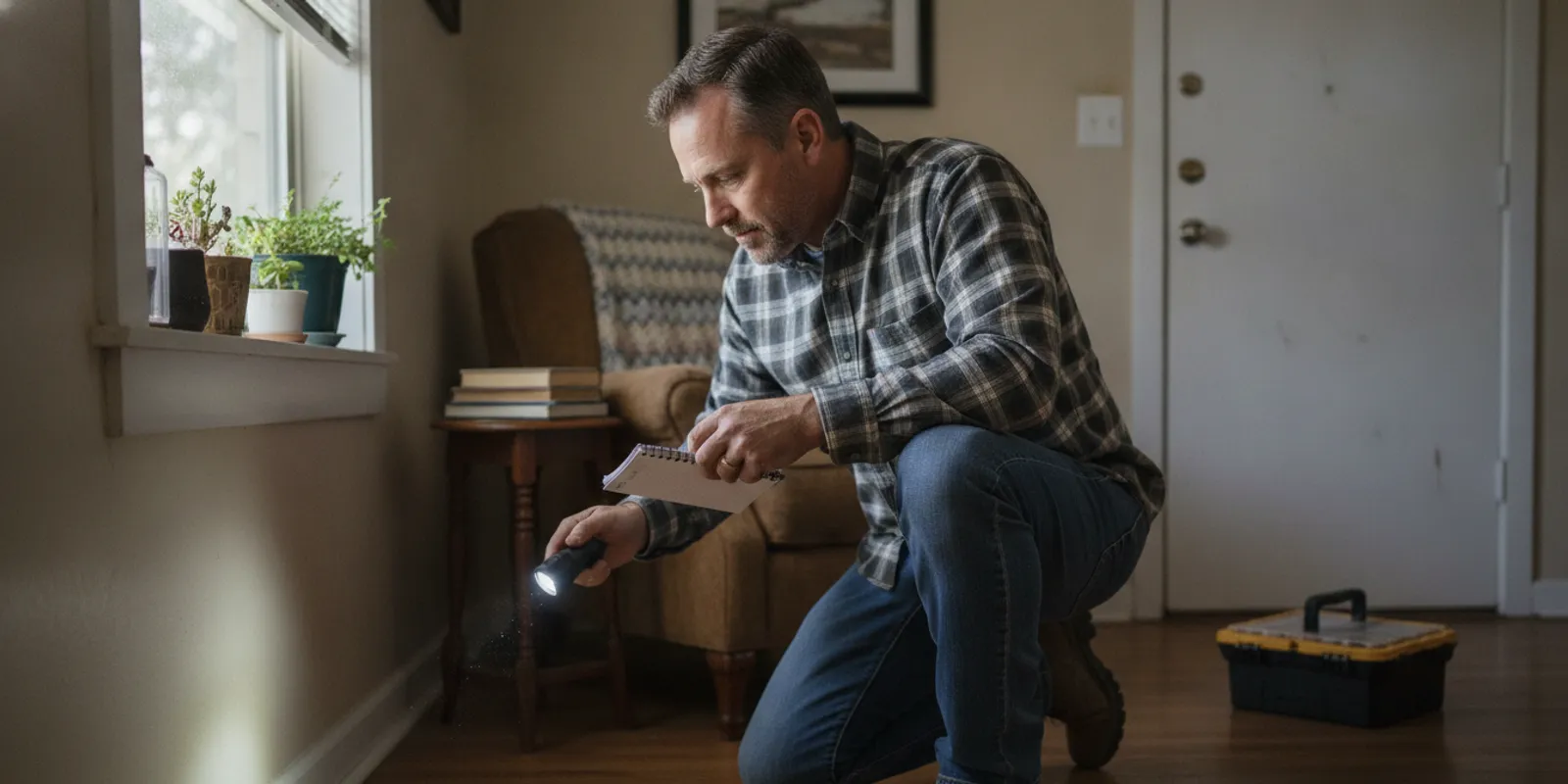
Begin with the places people actually use. Walk patios, outdoor dining areas, entrances, employee break spaces, walkways, pool or recreation areas, and the edges of parking or loading zones. Note reports from staff, tenants, customers, or guests, and distinguish a concentrated problem from activity reported across the whole property.
Record observations rather than conclusions. A report such as “mosquitoes near the west patio around closing time” gives a provider more to investigate than “the property is infested.” Include the date and approximate time, recent rain or irrigation, whether activity was noticed in shade or open areas, and whether people were stationary or moving through the space. Several reports over multiple days can reveal a pattern that one sighting cannot.
Look for places where water may collect or remain. Examples include clogged drains, low spots, plant saucers, discarded containers, uncovered equipment, blocked gutters, and landscape features that drain slowly. These are observations to share, not proof that a particular spot is producing mosquitoes. Some water sources are temporary; others may be difficult to change without maintenance work.
Mark outdoor areas where people spend time, not just the building perimeter.
Note standing water, drainage concerns, or containers that hold water after rain or irrigation.
Record shade, dense vegetation, irrigation timing, and any recent grounds changes.
Ask staff to report a location and time rather than using a general description.
How can you make observations useful to an inspector?
A simple site log helps turn scattered complaints into actionable information. Choose one person to collect reports, especially at a multi-tenant property. Use a map, floor plan, or a written list of outdoor zones, then label locations consistently. “Patio A” should mean the same place in every report.
For each report, capture the date, time, location, weather if known, nearby water or vegetation, and how the area was being used. Do not ask employees to handle standing water they cannot safely access or to apply their own pest products. If a concern involves a drain, roof, equipment area, or other restricted space, record it for the appropriate maintenance contact.
Review the log before contacting a provider. Look for repeated reports in the same area, a relationship to irrigation or rain, or a difference between a busy outdoor zone and a rarely used part of the grounds. These patterns can guide inspection priorities. They do not establish the cause by themselves, and a lack of reports in one week does not prove a concern is resolved.
For example, a restaurant manager may have three reports near outdoor tables after evening irrigation, while employees report little activity at the front entrance. That pattern suggests which locations and schedule to discuss. It does not mean irrigation is necessarily the source or that one specific treatment is automatically appropriate.
What does an inspection-led recommendation involve?
Pro Pest describes an inspection-led process: assess activity and conditions first, then recommend targeted treatment based on findings. A free, no-obligation inspection is a request, not a confirmed appointment or a fixed-price quote. For a commercial site, explain the business or property type, the areas where activity is reported, and whether the concern involves employees, residents, customers, or an upcoming gathering.
Clarify which areas are outdoors and how they are used. A hotel courtyard, warehouse entrance, apartment common area, and restaurant patio have different operating patterns. Tell the provider about access limits, locked gates, scheduled deliveries, outdoor service hours, and any site contact who needs notice. Ask which spaces would be considered and which would not be part of a proposed scope.
It is useful to separate three questions: what was observed, what a proposed visit is intended to address, and what property conditions remain for the business to manage. Ask the inspector to explain which findings shaped the recommendation. If an area cannot be accessed or a water-holding condition cannot be changed, make that clear rather than treating it as resolved.
Businesses can review Pro Pest's commercial pest-control information and its service overview for context. These pages do not replace an address-specific discussion. Pro Pest is based in Sealy and describes service in Sealy and the surrounding area; confirm that a particular ZIP code and property can be served before planning around a visit.
How should a business think about treatment timing?
The right timing depends on the property, the activity pattern, and the reason for asking for service. Pro Pest documents mosquito service that may be scheduled as a single visit before an event or may recur about every 21 days. This is not a universal schedule, a contract term, or a promise of permanent elimination. Ask what timing is recommended for the specific site and what conditions could affect the plan.
For an event, make the request early enough to discuss the property and preferred date. Share the event date, guest areas, expected outdoor hours, and known drainage or vegetation concerns. Confirm the appointment directly with the provider before treating it as part of the event plan. A request for a preferred date is not confirmation that the date is available.
For repeated operational concerns, compare the pattern of activity with the way the property is used. Is it reported in one area or several? Does it appear after irrigation or rain? Are reports concentrated at a particular time of day? Use those details to ask whether a one-time visit or a recurring discussion is more appropriate. Do not assume an interval applies to every site or that a visit alone addresses all contributing conditions.
The U.S. Environmental Protection Agency describes integrated pest management as a science-based approach to managing pests and vectors, including mosquitoes, emphasizing an integrated approach rather than relying on one isolated measure. Read the EPA overview of an integrated approach to mosquito control for background.
How can you coordinate commercial mosquito control with business operations?
Before a proposed visit, identify who can authorize access and who communicates with employees, tenants, or guests. For a multi-tenant building, a designated property contact can collect reports and share updates, while each tenant can identify the areas it uses. This prevents duplicate requests and helps avoid contradictory instructions.
Consider the operational calendar. A restaurant may need to coordinate outdoor seating; an office may need to identify staff break periods; a warehouse may need to plan around loading access. Describe these constraints when discussing timing. Do not assume that a business can keep every outdoor area open during work or that a provider has agreed to a specific access arrangement until it is confirmed.
Ask the provider to explain any directions relevant to the work proposed, including whether a particular area should be vacant or whether access should be restricted for a period. Follow product labels and instructions that apply to any product use. Do not make broad assumptions about suitability for every occupant, surface, or use area; clarify the instructions for the actual service and site.
After the visit, keep the same reporting process in place. Record where activity is noticed and when, and pass new observations to the agreed contact. If a pattern changes, share the change rather than relying on a general impression. This record helps keep follow-up discussions grounded in the property’s use and observed conditions.
What property conditions can a business review?
Routine grounds checks can complement an inspection, but they do not replace a professional assessment or a service recommendation. Look for containers or equipment that collect water and empty them when practical. Keep drains and gutters clear through the appropriate maintenance process. Check whether irrigation creates persistent pooling or overspray, and note areas that remain wet after the surrounding grounds dry.
Vegetation and shaded spaces are also useful to document. Maintain landscaping so access and inspection are practical, and note dense growth near seating or walkways. Do not assume that every shaded or damp area is a breeding site. The purpose is to give the inspector a clear picture of the site, not to make a biological diagnosis from appearance alone.
Some conditions may need another team’s attention. A blocked drain, roof issue, broken irrigation head, or recurring low spot may require building maintenance or a landscape contractor. Record the issue, identify who owns that work, and ask whether a separate correction should be considered. A treatment conversation cannot substitute for repairs the business controls.
For a healthcare, hospitality, food-service, office, or multi-family setting, tailor the review to the way people use the property. Describe the actual outdoor areas, occupancy patterns, and access limits instead of relying only on a broad building label. The relevant questions at an apartment courtyard may differ from those at a loading entrance or restaurant patio.
What questions should property owners ask?
A clear conversation can prevent mismatched expectations. Focus on findings, scope, timing, property responsibilities, and follow-up.
- What did the inspection find?
Ask which observations or site conditions influenced the recommendation.
- Which areas are included?
Identify the specific outdoor spaces and any excluded or inaccessible areas.
- Is the request for one event or an ongoing concern?
Explain the goal without assuming a fixed schedule.
- What should the business address separately?
Ask whether drainage, water-holding containers, irrigation, or maintenance should be reviewed.
- What should we expect after the visit?
Clarify any follow-up recommendations and how to share continued activity reports.
- Can the address and timing be accommodated?
Confirm ZIP code, access needs, and proposed date directly.
- What instructions apply to the proposed work?
Ask about site-specific directions before coordinating staff, tenants, or guests.
When comparing conversations with more than one provider, give each the same description of the property, activity pattern, and request. Compare whether each explanation identifies areas considered, findings observed, the purpose of the proposed work, and remaining property tasks. A recommendation that explains its limits is more useful than a broad promise that does not address the site.
How can businesses set realistic expectations?
Mosquito activity can be affected by property conditions and surrounding areas. A business can manage its grounds and coordinate access, but it may not control every nearby source or every factor affecting activity. Ask what the proposed service can reasonably address and what it cannot. Avoid treating a single visit as a guarantee that mosquitoes will be permanently eliminated.
Keep cost and terms specific to the recommendation you receive. Pro Pest does not publish a general mosquito price list in the information provided here. Do not rely on a generic number, assume a plan tier, or infer a contract term or standard visit cadence. Request the scope and cost for the actual property and confirm the terms directly before agreeing to work.
Similarly, distinguish a documented service description from a promised result. Pro Pest's mosquito service language concerns reducing mosquito numbers, with a one-time pre-event visit or service that may recur about every 21 days. Whether a particular option suits a site should be discussed after conditions and intended use are understood.
When should a commercial property request an inspection?
Consider requesting an inspection when reports recur in a defined area, when an outdoor event is approaching, or when the business cannot identify a practical way to address persistent water-holding conditions. You do not need to diagnose a source before asking for an assessment. Specific observations are more useful than guessing which treatment will solve the concern.
Before making the request, gather the property address and ZIP code, type of property, locations and times where activity is noticed, whether the concern is one-time or recurring, and any access or scheduling limits. For commercial properties, include the name and contact details of the person authorized to coordinate access. Pro Pest's inspection request is a way to start the conversation; it is not a confirmed appointment or fixed-price quote.
Clear observations and realistic expectations help property owners have a more useful conversation about mosquito activity, site conditions, and the next appropriate step.
To prepare a request, collect the site details and identify the person who can coordinate access and follow-up. These steps help keep the discussion focused on the property’s actual use and reported conditions.
How can you conduct a sample site review?
Consider a small hotel with a courtyard, a side entrance, and a landscaped strip beside the parking area. Guests report activity near courtyard tables after sunset, while staff have not made similar reports at the entrance. The property manager should not assume that the courtyard is the only affected area or that a nearby planter is the source. Instead, the manager can record the reports, check whether they coincide with watering, and make those locations priorities for discussion.
Next, assign practical responsibilities. A grounds employee can note irrigation times and flag persistent pooling to maintenance; a front-desk supervisor can collect guest reports using the same location labels; a facilities contact can confirm which gates or utility areas can be opened. This division creates useful information without asking staff to handle restricted equipment or make treatment decisions.
At a restaurant, the relevant comparison might be between outdoor dining during dinner service and the area near a delivery entrance. Ask whether reports occur before or after irrigation, whether the patio is used continuously, and whether an event or busy weekend is approaching. The provider can then inspect the reported locations and discuss the proposed scope. The manager should confirm any date, access instructions, and directions for the actual work rather than rely on assumptions.
At an office complex, reports may come from one employee break area even though the site has several outdoor spaces. A short log can distinguish repeat observations from isolated reports. The property manager can share the map and log, state the preferred service window, and ask whether the suggested plan covers the break area, nearby grounds, or both. This prevents a vague phrase such as “treat the whole property” from replacing a clear scope discussion.
How should you compare one-time and recurring needs?
A one-time request and a recurring concern are different planning problems. A single outdoor gathering gives the business a known date, a defined set of guest areas, and a short period of use. An ongoing issue involves repeated reports, varying weather or grounds conditions, and possibly several groups using the property at different times. Pro Pest documents both a single visit before an event and mosquito service that may recur about every 21 days, but this describes available timing options rather than a universal recommendation.
For an event, write down the date, expected outdoor hours, guest areas, and the person responsible for access. Ask how early the request should be made and whether the preferred date can be accommodated. Confirm the visit directly. If weather, irrigation, or site access changes, tell the provider rather than assuming the original plan still fits.
For ongoing activity, collect reports over a useful period and note whether they cluster in the same places. Share what has changed in grounds maintenance, irrigation, or the way spaces are being used. Ask what a repeat visit is intended to address and what the business should monitor between visits. Do not treat an interval as a guarantee of continuous control or a contract term; clarify the actual proposal and terms before agreeing.
A simple decision comparison can keep the conversation clear:
- Known event, limited outdoor footprint:
describe the date and guest areas, then ask about a single pre-event visit and availability.
- Repeated reports in one zone:
share the location log and ask for an inspection focused on that zone and related conditions.
- Reports across several areas:
provide a map and ask how the scope would account for different uses and access constraints.
- Persistent water or drainage concern:
identify the maintenance owner and ask how correction of that condition should be coordinated with any pest-service discussion.
What information should a commercial request include?
A well-prepared request does not need a technical diagnosis. It needs enough detail to establish whether the property is in the service area, what the business is observing, and how an inspection could be arranged. Pro Pest describes its base in Sealy and service in Sealy and the surrounding area; a specific ZIP code should be confirmed rather than inferred from a broad regional label.
Before submitting a request, assemble the following:
- Address and ZIP code:
include the actual commercial location, not only the management company’s mailing address.
- Property type and contact:
identify whether it is a restaurant, office, apartment property, hotel, warehouse, or another setting, and name the person coordinating access.
- Reported locations:
use consistent labels for patios, courtyards, entrances, loading areas, or employee spaces.
- Dates and times:
note when reports occurred and whether they followed rain, irrigation, or a change in site use.
- Service goal:
state whether the request relates to recurring operations, an upcoming event, or an initial assessment.
- Site constraints:
mention locked access, delivery windows, occupied areas, or maintenance work that could affect an inspection.
Keep the first message concise and factual. Instead of saying “we need the strongest treatment,” explain the observed pattern and ask for an inspection-led recommendation. A provider can then discuss the actual site, proposed scope, and relevant instructions. The request itself does not establish an appointment, a treatment choice, or a price.
How can the property team follow up after an inspection?
Before the inspection, agree on who will receive the recommendation and who can approve work. If multiple departments are involved, route the findings to the facilities lead, site manager, or other authorized person. Keep a copy of the location map and observation log so the team can compare what was discussed with what is included in the proposed scope.
After reviewing the recommendation, ask for clarification if a location, timing detail, or property responsibility is unclear. Confirm which areas are included, whether any area could not be evaluated, and what the business should address separately. If a specific direction applies to an occupied space or outdoor seating area, relay it to the people who need to plan around it. Follow the actual service instructions rather than relying on a general rule from another property.
Keep recording reports after work is completed, using the same zone names and details as before. Compare like with like: a report from the courtyard at sunset is more useful to discuss alongside another report from the same place and time than with a general impression from a different part of the site. If the pattern changes, describe exactly how it changed. This is useful for a follow-up conversation, but it should not be presented as proof of a particular cause or result.
For a property with tenants or separate operating teams, share a short process rather than a broad instruction. Tell staff where to send observations, which person owns maintenance issues, and who communicates with the provider. This keeps service planning separate from repairs, guest communications, and payment approvals.
Pro Pest's commercial pest-control page and company information provide background. If the property is outside the immediate Sealy area, confirm ZIP coverage and dispatch before planning around service. For a request, share the property address, activity pattern, preferred timing, and access contact.
Clear observations and realistic expectations help property owners have a more useful conversation about mosquito activity, site conditions, and the next appropriate step.


Comments