Carpet Beetle Control: How to Clean, Treat, and Prevent
Finding holes in a favorite sweater or rug can be frustrating, especially when you can’t see what caused them. Carpet beetle larvae often hide beneath furniture, along carpet edges, or among stored fabrics, so the source may not be obvious at first. Before reaching for a spray, look for clues such as shed skins, small droppings, and hairy larvae. A careful inspection can help you focus your cleanup where it matters. This guide covers useful carpet beetle control methods, from vacuuming and laundering to safe product use, plus simple habits that can help protect your home and belongings.
Key Takeaways
- Follow the signs to the source
: Check fabric damage, shed skins, and larvae around rugs, closets, furniture, and stored belongings.
- Remove food and protect fabrics
: Vacuum hidden areas, clear lint and pet hair, clean affected items according to care labels, and store them in sealed containers.
- Monitor activity and choose help when needed
: Use sticky traps to track adult beetles, apply pesticides only as the label allows, and contact a pest control professional if signs persist.
How to Identify Carpet Beetles
Carpet beetles can be hard to spot because their larvae often feed in dark, undisturbed areas. Look for signs of activity as well as live insects: shed skins, tiny droppings, and damaged fabrics can help you find where they’re hiding.
Spot adults, hairy larvae, shed skins, and fabric damage
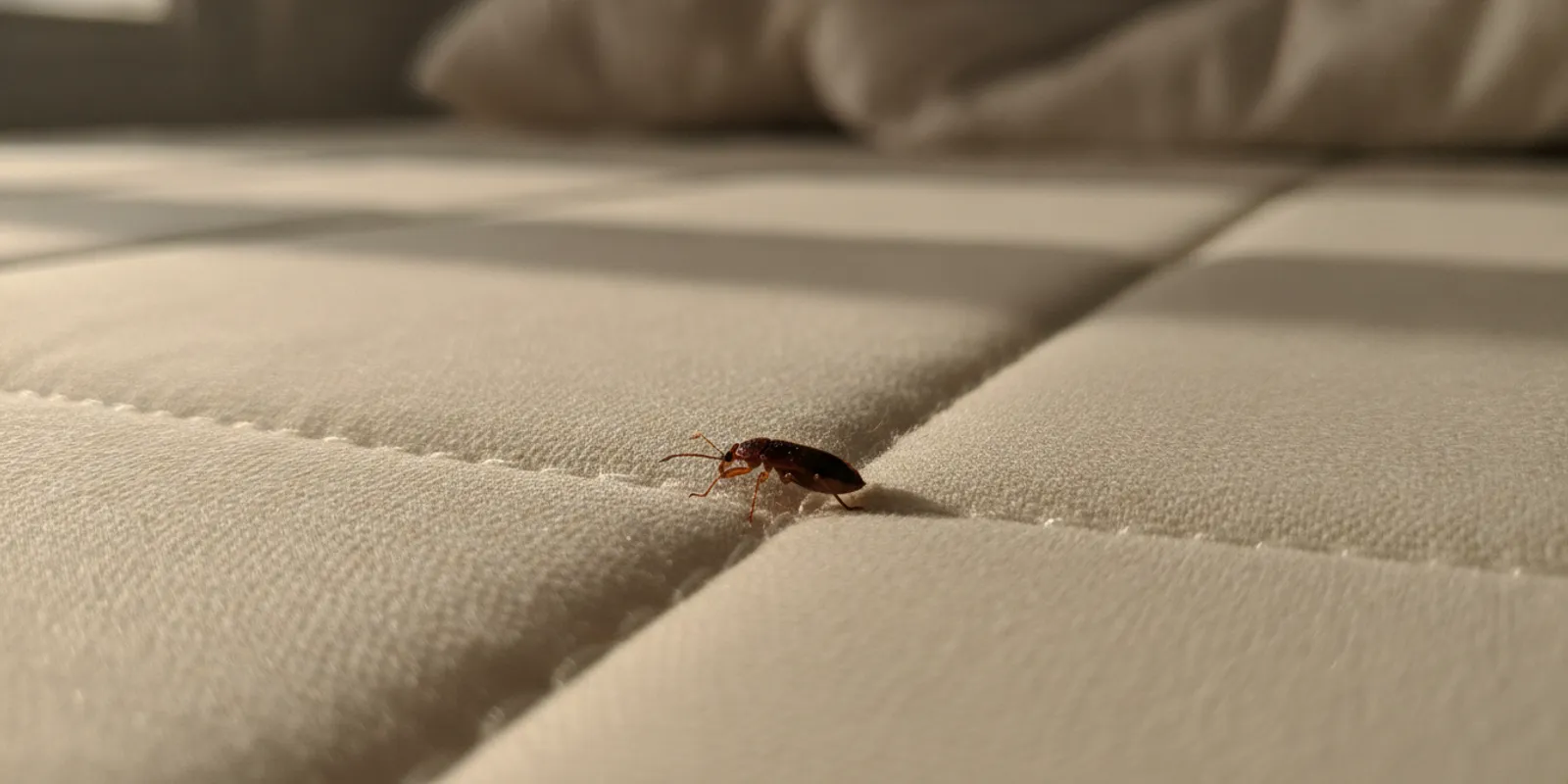
Adult carpet beetles are small, rounded insects, usually about 1/8 inch long. Their colors vary by species, so their size and shape may be more helpful clues. The larvae cause most fabric damage. They’re covered in hairs or bristles and may be slightly longer than adults.
Check rugs, clothing, blankets, and upholstered furniture for irregular damage. Nearby, you may find shed larval skins or tiny, grain-like droppings. These clues can reveal a feeding spot even when the larvae are out of sight. The UC Statewide IPM Program’s carpet beetle guide has descriptions and photos to help you compare what you find.
Distinguish carpet beetle damage from moth damage
Carpet beetle larvae feed on animal-based materials, including wool, silk, leather, fur, feathers, and pet hair. Damage often appears in a larger patch, especially on items kept in dark, quiet places. Synthetic fibers are generally not a food source, but blended fabrics may still be affected if they contain animal fibers.
Clothes moths can damage many of the same materials, but their larvae may leave silk webbing or protective cases behind. Carpet beetle larvae don’t make webs. Instead, look for hairy larvae, shed skins, and small droppings. Comparing these signs with the UC IPM descriptions of carpet beetle damage can help you identify the likely pest before deciding what to do next.
Use sticky traps to track adults and find the source
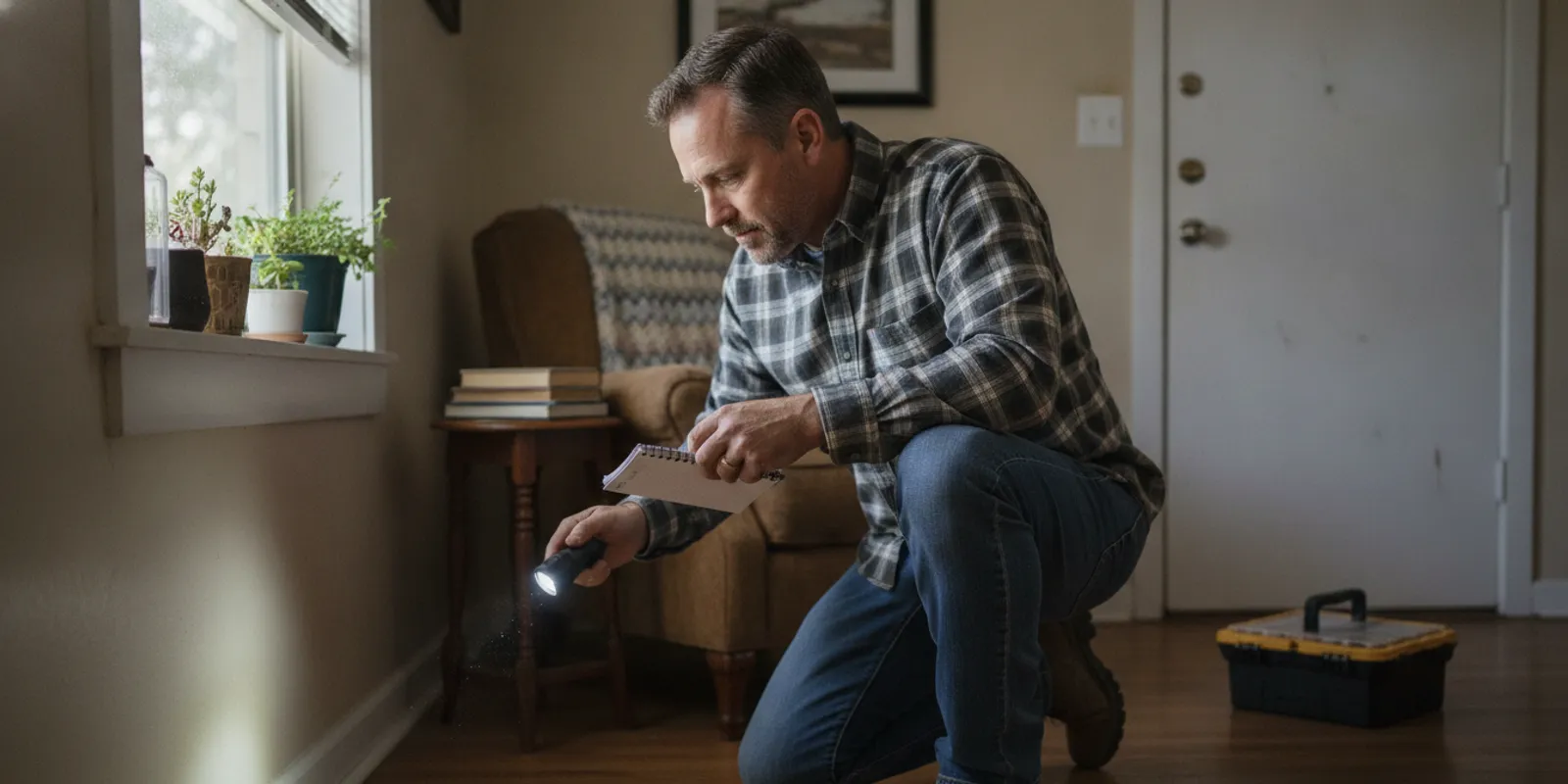
Sticky traps can help you monitor adult beetles and narrow down where they may be coming from. Place them near windows, closets, or other areas where you’ve seen beetles or found fabric damage. Check the traps regularly and note where you catch the most insects. This can help you focus your inspection nearby.
Traps won’t remove larvae feeding in a rug or stored clothing, so treat them as a monitoring tool, not a complete solution. Some pheromone traps attract only certain species. Check the product label to see which beetles it targets, and use the UC IPM guidance on monitoring carpet beetles to understand what your trap catches may indicate.
Where Carpet Beetles Hide and Feed
Carpet beetle larvae often stay in quiet, undisturbed areas near food sources. Start with rugs, closets, and stored fabrics, then check for lint and other debris.
Check carpet edges, closets, upholstery, vents, and stored fabrics
Pull back rugs and inspect their edges, especially along baseboards and beneath furniture. Check upholstered furniture, closet corners, and storage areas where wool, silk, leather, fur, or feather-filled items may sit undisturbed. Pay attention to furniture seams and places where pets rest, since larvae can feed on hair and oils left behind by people and animals.
Look around vents for lint and dead insects, too. If you spot damage or shed skins, inspect nearby fabrics and furnishings for more signs. The UC Integrated Pest Management Program’s carpet beetle guide lists carpets, rugs, clothing, and other susceptible materials among the places to check.
Look for lint, pet hair, dead insects, webs, and animal nests
Carpet beetle larvae can feed on lint, pet hair, dead insects, spider webs, and materials in animal nests. Check beneath furniture and appliances, inside closets, along baseboards, and in storage spaces. If beetles keep appearing without a clear source, look in attics and near bird or rodent nests.
Watch for live larvae, shed skins, tiny fecal specks, or irregular fabric damage. These signs can be easier to find than the insects themselves. Green Home Pest Control describes common hiding spots, including carpet edges, door casings, and upholstered furniture. Follow any signs you find to nearby debris or natural-fiber items, clean the area, then inspect it again.
Check windows, doors, and flowering plants where beetles may enter
Adult carpet beetles feed on pollen and nectar outdoors. They may enter through open windows or doors, or come inside on cut flowers. Check window sills, door frames, and bouquets for adult beetles. Finding one near a window may point to an entry route, but it does not confirm that larvae are feeding indoors.
Inspect window screens and door seals for gaps, and check flowers before bringing them inside. The UC IPM guide explains how adult beetles enter homes. If you find larvae, shed skins, or fabric damage, search nearby rugs, closets, and upholstery for the food source.
How to Control Carpet Beetles
Start with a thorough cleanup, then check the same areas regularly for signs of activity. Carpet beetle larvae often hide along edges, in cracks, and among stored fabrics, so cleaning open floors alone may not reach them.
Vacuum carpet edges, furniture, and cracks; empty the vacuum outdoors
Vacuum carpets and rugs slowly, especially along their edges and beneath furniture. Use a crevice attachment along baseboards, inside closets, and in cracks where lint and pet hair collect. Vacuum upholstered furniture, too, including beneath cushions and along seams.
Repeat this cleanup regularly while you look for other sources of beetles. The UC Statewide IPM Program recommends vacuuming carpets, furniture, and dark corners to remove eggs, larvae, and adults. When you finish, empty the vacuum bag or canister outdoors. Seal the debris in a bag before placing it in an outdoor bin, so any pests inside are less likely to return to the home.
Remove infested items or clean them before storing
Inspect clothing, blankets, rugs, and other fabrics for larvae, shed skins, or damage. If an item is badly infested and cannot be cleaned, place it in a sealed bag before discarding it. For items you want to keep, follow the care label: wash them in hot water if allowed, or take them to a dry cleaner.
Clean fabrics before storing them for the season, and use sealed containers to help protect them from pests. The University of Maine Cooperative Extension recommends cleaning or treating fabrics before storage. Check secondhand clothing and other used fabrics before bringing them inside, and clean them as directed by their care labels.
Clean the area and inspect again for newly hatched larvae
After vacuuming and treating infested items, clean the surrounding area. Remove lint, pet hair, dead insects, and old spider webs, which can provide food for larvae. Check beneath furniture, along closet floors, and around stored belongings. Bird, rodent, bee, or wasp nests can also harbor carpet beetles. If you find a nest, contact a qualified professional for safe removal.
Inspect cleaned areas regularly for fresh shed skins, larvae, or new fabric damage, especially in closets and storage spaces. Eggs may hatch after your first cleanup, so one pass may not be enough. The University of Maine Cooperative Extension advises checking stored items and cleaning them again if you find signs of activity.
How to Treat and Protect Fabrics
Carpet beetle larvae can damage clothing, linens, rugs, and other items made from animal-based fibers, including wool, silk, and fur. If you find larvae or fabric damage, treat affected items and clean the storage area before putting them away. Check each care label first, since heat and washing can damage some fabrics.
Wash items and use a hot dryer if care labels allow
Wash infested clothing, linens, and other washable items in the hottest water allowed by their care labels. For suitable items, the UC Statewide IPM Program recommends water above 120°F. A high-heat dryer may also help, but use it only if the care label permits.
Before washing, check pockets, seams, and folds for larvae or shed skins. Keep items that need special care separate. Once treated, make sure fabrics are fully dry before storing them. Clean the closet, drawer, or shelf where you found the infestation, too. Vacuum corners and nearby carpet edges, then empty the vacuum outdoors.
Dry-clean delicate items
Take wool, silk, and other delicate fabrics to a dry cleaner if washing or dryer heat could harm them. Dry cleaning can kill carpet beetles at all life stages, according to the University of Maine Cooperative Extension.
Let the cleaner know you suspect carpet beetles, and ask how to handle the item before treatment. Keep affected fabrics apart from clean clothing while you arrange cleaning. When you bring them home, don’t return them to a closet or drawer until you’ve cleaned and inspected that area. Larvae can remain hidden in lint, pet hair, and other debris nearby.
Store clean fabrics in airtight containers and inspect them regularly
Store fabrics only after cleaning them and checking the surrounding area. Keep susceptible items, such as woolens, linens, and furs, in tightly sealed bags or containers. This helps keep beetles away from the fabrics and separates clean items from possible sources of infestation.
Inspect stored items regularly, especially when taking seasonal clothing out of storage. Check seams, hems, and folds for larvae, shed skins, or fresh damage. The UC Statewide IPM Program recommends airing and brushing woolens, linens, and furs each year. If you spot signs of activity, clean the fabric and its storage space before sealing the item away again.
Which Carpet Beetle Products Should You Compare?
Choose products based on where carpet beetles are hiding and what the label allows you to treat. Compare sprays, dusts, and traps by their intended use, coverage, directions, and cost. Products work best as part of a plan that also removes food sources and cleans infested areas.
Compare labeled sprays, dusts, and traps by approved use, coverage, and ease
Start by checking that the product label names carpet beetles and lists the areas or surfaces you plan to treat. A spray may work for targeted spots, while a dust may be appropriate for certain cracks or voids if the label permits. Compare the coverage, application method, and any preparation the product requires.
Traps have a different role. They can help track beetle activity and point to areas that need closer inspection, but they won’t treat an infestation. The UC Statewide IPM Program’s guidance explains that sticky traps can help locate a serious infestation and monitor control efforts. Pheromone traps are species-specific, so check that the trap is designed for the beetle you’ve found.
Learn why traps, foggers, and essential-oil repellents alone may not solve an infestation
Traps can reveal where adult beetles are active, but they may not reach larvae feeding under furniture, along carpet edges, or inside stored items. Use them to monitor activity while you inspect, vacuum, and clean likely hiding places. If beetles continue to appear, search for the source rather than relying on more traps alone.
Foggers and essential-oil repellents also shouldn’t be your entire control plan. A fogger may not reach protected places where larvae feed, and a repellent won’t remove the material they’re feeding on. Before using a pesticide, confirm that the label lists carpet beetles and the exact treatment area. The University of Maine Cooperative Extension’s recommendations emphasize treating likely infestation sites and following product directions.
Compare directions, manufacturer information, and total cost
Look beyond the price on the package. Read the label for application steps, safety precautions, repeat-treatment instructions, and any restrictions for homes with children or pets. Check the manufacturer’s information to confirm the product’s coverage and approved uses. If the directions are unclear, choose an option you can apply correctly.
Estimate the full cost, too. A larger container may cost more upfront but cover more of the areas you need to treat. A lower-priced product may require extra applications or equipment. Prices and availability vary by retailer, so compare current listings and confirm you’re looking at the exact product you intend to buy. Whatever you choose, follow its label carefully; the University of Maine Cooperative Extension also stresses safe, label-directed use.
What Ingredients, Brands, and Labels Should You Check?
Choose pyrethrin or pyrethroid products only if labeled for carpet beetles
Pyrethrin and pyrethroid products may help control carpet beetles, but the ingredient alone doesn’t show whether a product is right for your home. Check the label for carpet beetles in the list of target pests. If they aren’t listed, don’t assume the product will work.
The label also explains where and how to apply the product. Follow its directions, and don’t treat fabrics, furniture, or other surfaces unless the label specifically permits it. The UC Statewide IPM Program’s carpet beetle guidance recommends choosing a pesticide labeled for the pest and using it as directed.
Confirm the label covers the pest, treatment site, and surface
Before you buy a product, check that its label covers three things: carpet beetles, the area you plan to treat, and the surface you plan to apply it to. A product may be labeled for carpet beetles but approved only for cracks and crevices, not clothing, bedding, or upholstery.
Read the full directions, including restrictions on indoor use and application areas. If the label doesn’t clearly allow treatment of a particular surface, don’t apply the product there. The University of Maine Cooperative Extension’s pesticide guidance explains why checking approved uses is an important step before treatment.
Assess product claims and directions, not brand recognition alone
A familiar brand name doesn’t guarantee that a product suits your home or targets carpet beetles. Compare the label’s pest list, approved uses, application instructions, and safety precautions. These details are more useful than packaging or advertising claims when deciding whether a product fits your needs.
Check how often the product can be applied and whether you need to prepare the area first. Don’t use more than directed or combine products unless the label specifically permits it. The UC Statewide IPM Program advises reading and following pesticide directions carefully.
Compare prices and promotions, but choose a product suited to your home
Compare the product’s price alongside its quantity, approved uses, and application instructions. The least expensive option may not be appropriate for the affected area, while a promotion doesn’t make a product suitable for every surface. Choose one that matches the label-approved treatment you need.
If beetles keep returning, the source is hard to find, or valuable items are at risk, consider contacting a pest control professional. An inspection can help identify where the beetles are coming from and what treatment may be appropriate. Green Home Pest Control notes that persistent or severe infestations may call for professional help.
How to Use Pesticides Safely
Pesticides can help control carpet beetles, but incorrect use may expose people and pets or damage household items. Read the entire label before applying a product. Confirm that it is intended for carpet beetles and approved for the area you plan to treat.
Treat only label-approved areas; treat clothing or bedding only if permitted
Check the label to see which surfaces and locations you can treat. A product approved for carpet edges may not be suitable for upholstery, closets, or other areas. Never apply pesticide to clothing or bedding unless the label specifically permits it. For washable items, laundering and using a hot dryer may help, as long as the care label allows it. Dry-clean delicate fabrics when needed. The UC Statewide IPM Program’s carpet beetle guidance advises treating only areas approved by the pesticide label. If you cannot confirm that a surface is safe to treat, leave it untreated and contact the product manufacturer or a pest control professional.
Follow directions for protective gear, ventilation, re-entry, and keeping children and pets away
Wear the protective gear specified on the label, such as gloves or eye protection. Follow instructions for ventilation, including whether to open windows or use fans. Keep children and pets out of the treated area during application and for the full re-entry period stated on the label. Do not assume a room is safe just because the product has dried. Check the label for any additional precautions involving toys, aquariums, food, or food-preparation surfaces. The University of Maine Cooperative Extension’s pesticide safety guidance explains the importance of following product directions for ventilation and re-entry. If instructions are unclear, contact the manufacturer before treating the area.
Store products in their original containers and follow disposal directions
Keep pesticides in their original containers with the labels attached and readable. Never pour them into drink bottles, food containers, or unmarked spray bottles, which could lead to accidental exposure. Store products as directed on the label, away from children, pets, food, and household supplies. When disposing of leftover product or its container, follow the label’s instructions. Do not pour pesticides down a drain or put them in household trash unless the label says to do so. The University of Maine Cooperative Extension recommends following label directions for storage and disposal to help prevent accidental exposure and environmental harm.
How to Prevent Carpet Beetles From Returning
Vacuum and clean regularly to remove lint, pet hair, and other food sources
Carpet beetle larvae feed on materials such as wool, fur, and feathers, as well as lint, pet hair, and dead insects. Vacuum rugs, carpet edges, closets, drapes, and upholstered furniture regularly. Pay close attention to seams, corners, and areas under furniture where debris can collect. After vacuuming a place where you found beetles or larvae, empty the vacuum outdoors and dispose of the contents promptly.
Include less obvious spots in your routine, such as baseboards, vents, and spaces behind or beneath furniture. Regular cleaning removes food sources and may help you spot signs of activity early. The UC Statewide IPM Program recommends vacuuming areas where lint, hair, and dead insects collect.
Inspect and clean secondhand items before bringing them inside
Carpet beetles can enter your home on secondhand clothing, rugs, furniture, and other items. Before bringing anything inside, inspect seams, folds, undersides, and storage spaces for larvae, shed skins, or fabric damage. Take extra care with items made from natural fibers, such as wool and silk.
Clean items before using or storing them. Wash and dry clothing according to its care label, or take delicate garments to a dry cleaner. Before bringing seasonal items back into regular use, check them for signs of beetles, especially if they have been stored for several months. The University of Maine Cooperative Extension advises cleaning secondhand clothing when you bring it home and checking stored items before use.
Seal gaps around windows, doors, and vents; keep using sticky traps
Repair torn window screens and seal gaps around doors, windows, and vents to reduce possible entry points. Check cut flowers before bringing them indoors, too, since adult carpet beetles may be found on flowers. These steps can help limit new beetles from entering, but they won’t remove larvae or eggs already inside. Keep checking areas where you’ve seen activity.
Sticky traps can help you monitor for adult beetles and narrow down where they may be coming from. Place traps near windows, closets, or other spots where you’ve noticed beetles, then check them regularly. Traps can show whether activity continues, but they don’t replace cleaning or treatment. The UC Statewide IPM Program explains how sticky traps can help locate an infestation source and track whether control efforts are working.
When to Call a Pest Control Professional
A few carpet beetles don’t always mean you have a serious infestation, but recurring signs are worth investigating. If cleaning hasn’t stopped fresh fabric damage, or you can’t locate where the larvae are feeding, a pest control professional can inspect your home and recommend next steps.
Get help if beetles return, spread, or have a hard-to-find source
Consider calling a professional if you continue to find larvae, shed skins, or new fabric damage after vacuuming and cleaning. It’s also a good idea to get help if signs show up in several rooms or affect delicate, valuable, or difficult-to-clean items. Carpet beetle larvae can feed in overlooked spots, including beneath furniture, along carpet edges, and in lint or pet hair.
A professional can inspect likely hiding places and help track down the source. The University of Maine Cooperative Extension’s carpet beetle guidance recommends professional help when thorough treatment of potential infestation sites is needed. Before the inspection, note where and when you’ve seen beetles and which areas or items you’ve already cleaned.
Ask about inspection findings, treatments, pesticide use, and preparation steps
Before treatment begins, ask the professional to explain what they found, where beetles may be feeding or hiding, and why they recommend a particular approach. Find out whether the plan includes cleaning, removing infested materials, treating specific areas, or scheduling a follow-up visit.
Ask which products they plan to use and where they’ll apply them. Request clear instructions on preparing your home, including whether you need to move furniture or empty closets. Confirm how long children and pets should stay away from treated areas and when it’s safe to return. If pesticides are involved, ask for the product name and review its label. The EPA’s guidance to understanding pesticide labels explains how labels identify where and how a product may be used.
Frequently Asked Questions
Do carpet beetles bite people or pets? Carpet beetles don’t bite. However, some people may develop skin irritation from contact with the tiny hairs on carpet beetle larvae. If you notice a rash after handling a suspected larva, avoid further contact and consult a healthcare professional if needed.
Does finding one adult carpet beetle mean I have an infestation? Not necessarily. An adult near a window may have come in from outdoors. Check nearby rugs, closets, and upholstered furniture for larvae, shed skins, droppings, or fresh fabric damage to see whether beetles are breeding indoors.
Will sticky traps get rid of carpet beetles? No. Traps can help you monitor adult activity and identify areas to inspect, but they won’t reach larvae feeding in fabrics or hidden debris. Pair trap monitoring with careful cleaning and inspection.
How long does it take to control carpet beetles? It varies based on where the beetles are hiding and how widespread the activity is. You may need to clean and recheck affected areas more than once, since eggs can hatch after the first cleanup.
When should I call a pest control professional? Consider professional help if you keep finding larvae or new damage after cleaning, signs appear in multiple rooms, or you can’t locate the source. Share which areas you’ve checked and what you’ve already done so the professional can assess the problem.
Comments